What happens if the weather suddenly changes during Chardham Yatra?
Short answer: If weather suddenly changes during CharDham Yatra, expect delays, route closures, temporary sheltering, and in some cases evacuation. The Himalaya can shift from bright sun to heavy rain, snow or landslide conditions within hours. For CharDham Yatra 2026, being prepared, following official advisories, keeping flexible plans and packing emergency gear will keep you safe and help protect your group.

Why weather matters so much on CharDham routes
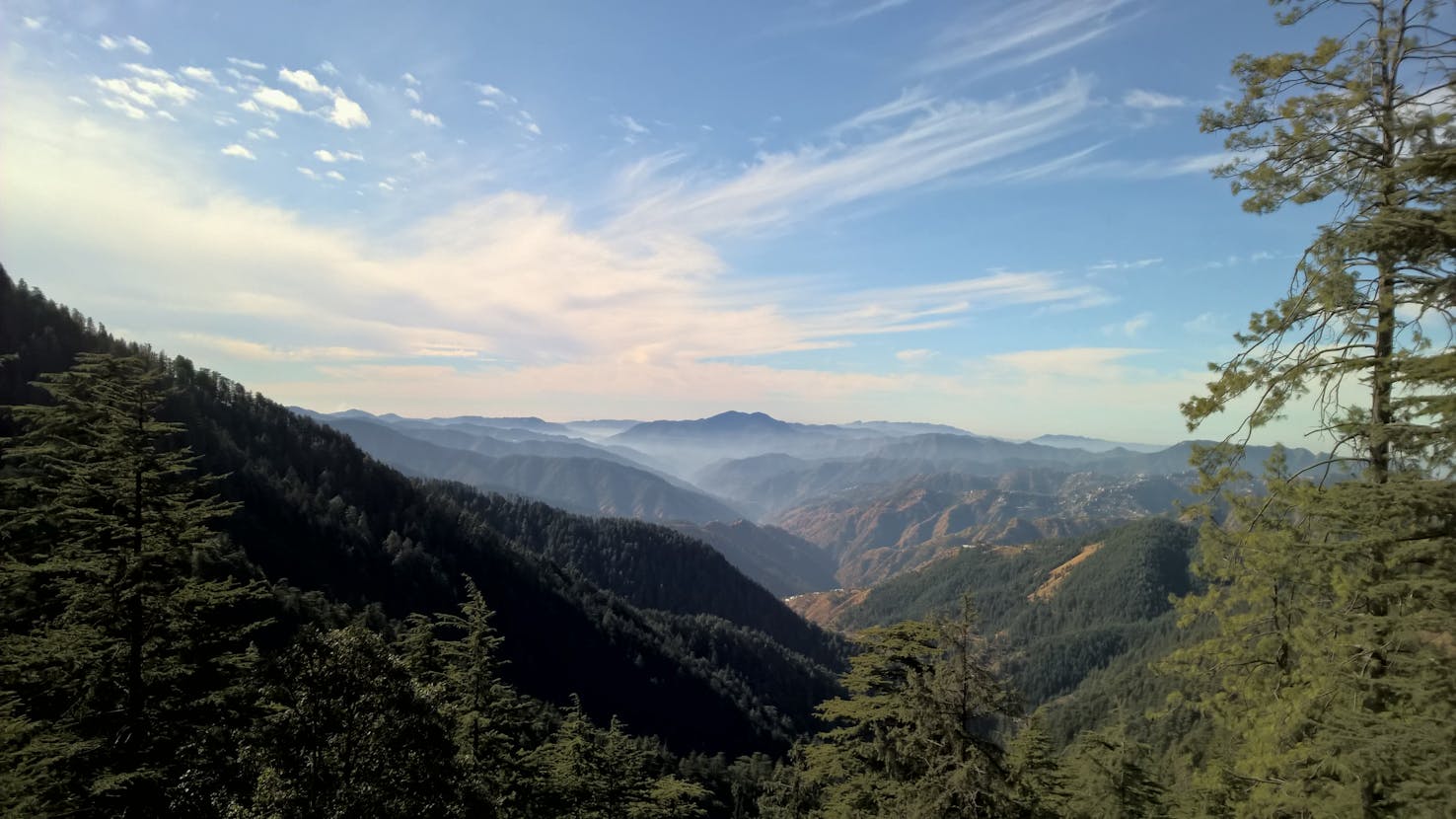
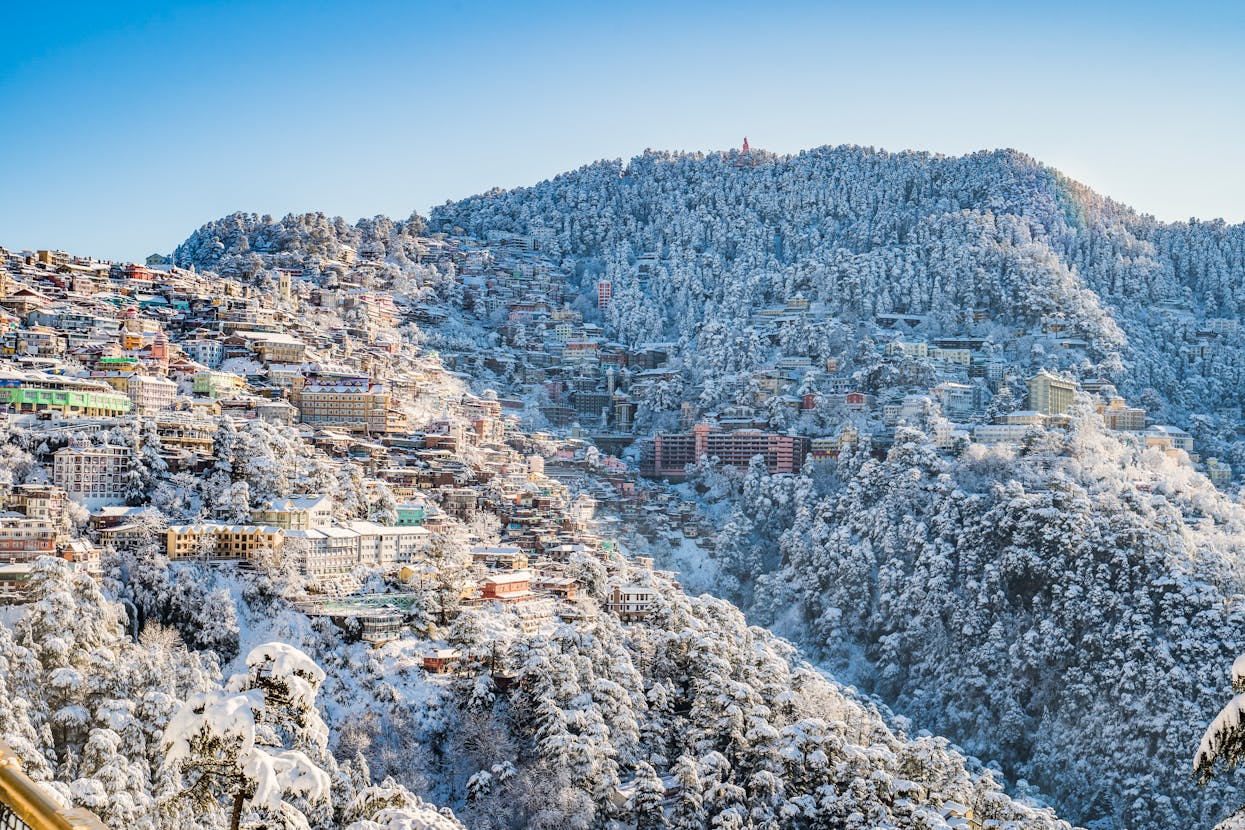
The CharDham circuit covers Yamunotri, Gangotri, Kedarnath and Badrinath. These shrines are located at high altitudes and along steep valleys where microclimates form. Roads cling to slopes, rivers swell quickly, and small landslides can block passes. Sudden weather changes can cause:
- Road blockages and long vehicle delays.
- Trail slipperiness and increased risk of falls.
- Reduced visibility making navigation and helicopter flights impossible.
- Flooding of low-lying tents or dhabas close to rivers.
Common sudden weather events and their typical effects
1. Heavy rain and cloudburst
Effects:
- Flash floods and rapid rise in river levels.
- Roads washed away or rendered impassable.
- Increased landslide and debris flow risk.
Response: Move to higher ground if near riverbanks, avoid crossing swollen streams, and follow local authority instructions about road closures or evacuations.
2. Sudden snow or blizzard
Effects:
- Trail and road blockage by snow.
- Hypothermia and cold injuries for unprepared pilgrims.
- Helicopter flights cancelled due to poor visibility and rotor icing.
Response: Seek immediate shelter, add insulating layers, conserve heat and wait for rescue teams if necessary. Avoid hiking during a blizzard; visibility can drop to near zero.
3. Fog and reduced visibility
Effects:
- Slower progress and risk of getting lost on trails.
- Vehicle accidents on mountain roads.
- Delays in scheduled darshan and transport.
Response: Move slowly, use guides or follow marked routes, switch on headlamps in low light and wait for weather to clear for safe travel.
4. Heat waves and strong sun at altitude
Effects:
- Dehydration and sunburn even in cool temperatures.
- Sun glare increasing risk on exposed ridgelines.
Response: Hydrate frequently, use sunscreen, wear sun-protective clothing and rest in shade during the hottest parts of the day.
Official responses and infrastructure during sudden weather changes
Local authorities, temple committees and district administrations increasingly anticipate weather disruptions for the CharDham season. Typical official measures include:
- Seasonal medical camps and emergency response teams stationed at key bases.
- Temporary road closures with checkpoints advising pilgrims.
- Helicopter rescues and ambulance transfers for serious emergencies when weather permits.
- Public advisories published on Uttarakhand tourism portals and district social media channels.
Before you travel, note official channels such as Uttarakhand Tourism and the Badrinath-Kedarnath portal for live advisories. If you use a tour operator, they will usually monitor weather and coordinate with local authorities when needed.
What immediate steps should you take when weather turns bad?
If the weather turns suddenly, apply this short emergency checklist immediately:
- Stop movement and assess the immediate danger: are you near a river, cliff, or unstable slope?
- Move to a safe, elevated and sheltered spot away from water channels and steep edges.
- Contact your guide, tour operator or hotel and relay your exact location and condition.
- Conserve phone battery, use SMS if voice calls fail, and keep mobile GPS on for location sharing.
- Follow instructions from local authorities and rescue teams; do not try risky shortcuts.

How sudden weather affects different legs of CharDham
Yamunotri
The Yamunotri trek involves steep approaches and often narrow trails. Heavy rain can trigger small landslides and wash away trail sections.
- Advice: Avoid walking along riverbanks during storms and seek shelter in dharamshalas or guesthouses in Barkot or Jankichatti.
Gangotri
Gangotri is sensitive to melting snows and glacial streams. Cloudbursts upstream can flood routes.
- Advice: Move away from riverbanks and stay on higher ground; pay attention to upstream weather reports.
Kedarnath
Kedarnath has had serious weather incidents in past years. The valley is prone to river surges and landslides during intense rain.
- Advice: Follow official advisories, avoid staying in low-lying temporary camps near the Mandakini river, and have evacuation plans through Guptkashi or helicopter pads when available.
Badrinath
Badrinath is at a relatively higher altitude for roads and can see sudden snow or storms in shoulder seasons.
- Advice: Check road pass conditions and avoid driving during heavy snowfall; hotels in Joshimath provide shelter during storms.
Planning ahead: steps to reduce weather risk on your trip
Preparation is the best defense against sudden Himalayan weather. Follow these planning steps:
- Check multiple weather sources: Use official Uttarakhand portals, mountain-specific forecasts and your operator local updates.
- Build buffer days: Add at least 1-2 contingency days in each leg of your itinerary to accommodate delays or cancellations.
- Choose flexible bookings: Prefer hotels and transport with flexible cancellation or rescheduling policies.
- Inform family and group leaders: Share your full itinerary and emergency contacts with someone who is not travelling with you.
- Carry proper gear: Waterproof layers, warm insulation, sturdy footwear, headlamp, and a compact emergency kit.
Packing checklist for sudden weather
Pack the following essentials to handle unexpected weather:
- Waterproof jacket and pants, plus a warm fleece or down jacket.
- Rain cover for your backpack and plastic bags for electronics and documents.
- Portable charger, extra SIM or local connectivity options, and a power bank.
- Whistle, torch/headlamp, multi-tool and small first-aid kit.
- High-energy snacks and electrolyte powders in case you are stranded.
Communication: staying connected when the weather gets bad
Connectivity is patchy in the hills. To improve your chances of contact:
- Carry at least two SIM cards from different networks; one may work where another fails.
- Use offline maps that mark trails and shelters; save your location coordinates.
- Keep emergency numbers stored offline: local helplines, temple committees, police and your tour operator.
When evacuation becomes necessary: what to expect
Evacuations are organized differently depending on the scale of the event:
- Local ground evacuation: Authorities move people to nearby higher grounds, schools or community halls.
- Ambulance transfers: For medical emergencies, ambulances operate from base towns to district hospitals.
- Helicopter evacuation: Used for severe cases when weather permits; may require authorization and is subject to availability and cost.
If you are evacuated, carry your ID, minimal essentials and medical records if applicable. Follow official personnel instructions and do not return to affected zones until cleared.
Insurance and financial preparedness
Insurance is critical for mountain travel:
- Buy travel insurance that covers medical evacuation and trip delays due to weather.
- Check policy limits and exclusions for high-altitude trekking and helicopter evacuation costs.
- Carry sufficient cash and a backup card; ATMs may be inaccessible during disasters.
How local communities help during sudden weather
Local residents, temple trusts and volunteers play a crucial role in rescue and shelter operations. They often:
- Open community halls, schools and dharamshalas as temporary shelters.
- Coordinate food distribution and basic medical help.
- Work with authorities to evacuate vulnerable people.

Real-life scenarios and lessons learned
Past incidents teach valuable lessons:
- Always avoid camping in river floodplains during monsoon or heavy rains.
- Do not rely solely on a single transport plan; roads can be cut off and flights cancelled.
- Early morning starts often avoid afternoon storms common in mountainous areas.
Decision framework: when to continue, wait, or turn back
Use this simple framework:
- Immediate danger (landslide, flood): Turn back or move to safe ground immediately.
- Moderate risk (heavy rain, fog): Wait for clearing if safe shelter exists; reassess after 2-4 hours.
- Low risk (light rain, slight wind): Proceed slowly with caution if trail conditions are manageable.
FAQs (Frequently Asked Questions)
Q: Can sudden weather cancel temple darshan?
A: Yes. Temples may temporarily restrict access or close the precincts for safety. Follow announcements from temple authorities and plan extra days in your itinerary for such possibilities.
Q: Will my helicopter flight be refunded if weather cancels it?
A: Refund and rescheduling policies vary by operator. Many operators provide weather-related rescheduling; confirm refund rules at booking and consider buying refundable fares where possible.
Q: How long do weather-related road closures usually last?
A: It depends. Minor landslides may clear in hours; major blockages or bridge damage can take days. Local authorities provide updates—stay in contact with your hotel or operator.
Q: Is it safe to trek during monsoon season?
A: Monsoon increases risks of landslides and slippery trails. It is not generally recommended to attempt high-altitude treks during peak monsoon months. If travel is unavoidable, take a guided, cautious approach and avoid riverbanks.
Q: How do I get updates while in remote areas?
A: Use multiple SIMs, follow local radio and authority social media channels, and keep in touch with your tour operator. Hotel staff are a valuable source of local weather intelligence.
Conclusion
Sudden weather changes are an inherent part of Himalayan pilgrimages like CharDham Yatra. The best protection is preparation: check forecasts, build buffer days, pack smart, stay connected, and follow local authority instructions. When weather turns bad, prioritize safety, seek shelter, and avoid risky shortcuts. With sound planning and respect for mountain conditions, pilgrims can still have a spiritually fulfilling CharDham Yatra 2026 while minimizing weather-related risks.
For packaged itineraries, local updates and verified assistance, visit trusted resources such as IshtaDev CharDham Packages and official advisories at Uttarakhand Tourism. May your pilgrimage be safe and peaceful.