How difficult is the Yamunotri trek?
Short answer: The Yamunotri trek is of moderate difficulty for most pilgrims who take the common route from Kharsali (Phoolchatti) to Yamunotri temple — roughly 6–7 km one-way — but difficulty can vary with route choice, altitude, weather, fitness and the load you carry. For 2026 pilgrims, proper preparation, realistic expectations, and sensible pacing make the trek accessible to many Indian travelers seeking a devotional yet physically engaging experience.
Why this question matters
Yamunotri is the western anchor of the Char Dham pilgrimage and the source of the sacred Yamuna river. The trek to the temple combines spiritual aspiration with a Himalayan walk. Pilgrims often worry about altitude, steep paths, cold, and stamina. This guide breaks the trek down step-by-step: routes, distance, elevation, terrain, fitness requirements, seasonal effects for 2026, safety, packing, acclimatization, alternatives (palankin/pony), and a realistic day-by-day plan so you can decide with confidence.

At a glance: basic facts travellers want to know
- Usual trek distance: ~6–7 km one-way from Kharsali/Phoolchatti to Yamunotri.
- Elevation: Yamunotri temple sits at ~3,293 m (10,804 ft) above sea level; Kharsali/Phoolchatti is lower.
- Duration: 2–4 hours one-way depending on pace and stops.
- Difficulty rating: Moderate for fit walkers; moderate-to-challenging in poor weather or for unacclimatized pilgrims.
- Best season: May to June and September to October for comfortable weather in 2026.
Routes explained (and which is easier)
There are two main approaches commonly used by pilgrims:
1. Kharsali / Phoolchatti route (most common)
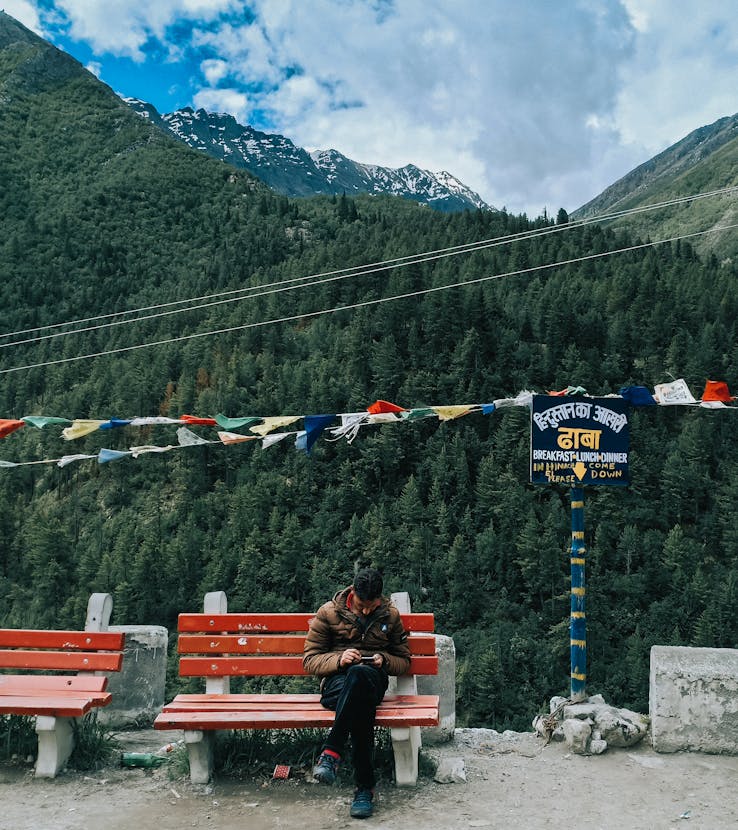
This is the primary and most popular route. Vehicles come up to Kharsali or Phoolchatti and pilgrims walk from there. The path is well-trodden and follows a mix of stone-paved sections, dirt tracks and gentle ascents. The total trek length is about 6–7 km one-way. There are occasional shops and small dhabas along the way. For most Indian pilgrims, this route is considered moderate since the path is manageable but involves sustained uphill walking.
2. Janki Chatti / forest route (alternative, longer)
Some trekkers approach from Janki Chatti or take an extended route which can be longer and a bit more rugged. This route may be chosen by those looking for a quieter trail. It requires better fitness and careful planning and can add several kilometres.
Terrain and technical difficulty
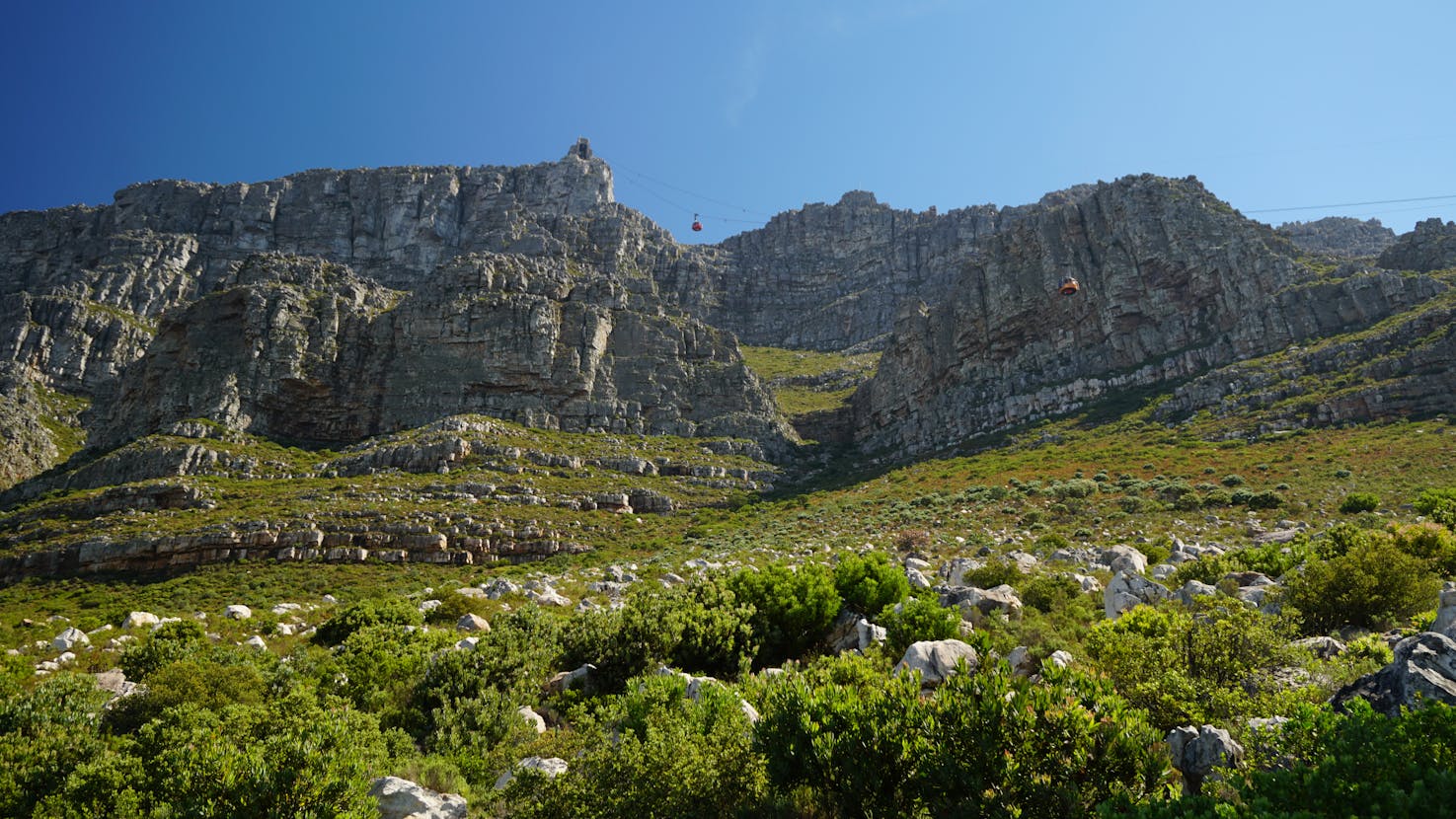
The Yamunotri trail is non-technical — you don't need ropes, crampons (except in unexpected snow), or mountaineering skills in normal season. The challenges are:
- Continuous uphill: Sections of steady ascent that test stamina.
- Uneven surfaces: Stone steps, loose gravel, and some rocky stretches.
- Altitude: The temple is above 3,000 m; shortness of breath and mild altitude effects are possible.
- Weather impact: Rain or residual snow can make paths slippery and need caution.
Fitness and preparation — who will find it easy vs challenging?
If you do regular walking, have reasonable cardio fitness, and can manage 3–4 hours of moderate uphill walking, you will likely find the Yamunotri trek manageable. Those who may find it challenging include:
- Sedentary travellers with low stamina.
- People with severe respiratory or cardiac conditions.
- Unacclimatized travellers who come directly from low altitudes without gradual ascent.
Suggestions to prepare:
- Begin walking regularly 4–6 weeks before travel, including uphill walks if possible.
- Practice stair climbing and carrying a small daypack to build leg strength.
- Do at least one long walk (10–12 km) at a comfortable pace several weeks prior.
- Consult your doctor about altitude medication if you're prone to altitude sickness.
How long does the walk actually take?
Expect the following approximate times (one-way, from Kharsali/Phoolchatti):
- Fast walker: 2–2.5 hours.
- Average pilgrim: 3–4 hours with rest and photos.
- Slow or stopping often: Up to 5 hours if you include long stops or pilgrimage rituals.
Altitude and acclimatization — don't underestimate it
Yamunotri's elevation means acclimatization matters. Symptoms of mild acute mountain sickness (AMS) include headache, nausea, dizziness, or shortness of breath. To mitigate:
- Aim for gradual ascent — spend a night at an intermediate altitude before reaching Kharsali.
- Hydrate well and avoid heavy meals right before the trek.
- Avoid alcohol and heavy smoking prior to and during the trek.
- Carry Diamox (acetazolamide) only if advised by a physician.
Seasonal variations — how 2026 weather affects difficulty
Season is the single biggest multiplier of difficulty:
- May–June (summer): Best weather window; paths mostly snow-free; high pilgrim traffic but easier conditions.
- July–August (monsoon): Slippery paths, landslide risk at approach roads, and heavy cloud cover. Difficulty goes up considerably; not recommended for inexperienced trekkers.
- September–October (post-monsoon): Excellent window with stable weather and clear views. Favoured for 2026 pilgrims seeking good conditions with fewer crowds than peak summer.
- Late autumn/winter: Heavy snow makes the trek difficult to impossible; many routes close.
Trail services: ponies, palki/porter, and local help
If walking is difficult for you, options exist:
- Ponies: Available for portions of the route; negotiate fares locally and confirm load and safety.
- Palki / Palanquin (dandi/ palki bearers): Traditional bearers can carry elderly or infirm pilgrims for a fee. Use registered services to avoid exploitation and ensure safety.
- Local guides: Helpful for navigation, history, and supporting your pace.
Note: In recent years authorities have regulated porters and animal use for ethical and safety reasons. Choose licensed operators when possible.
Safety issues and how to manage them
- Slips and trips: Wear good trekking shoes with grip. Use trekking poles to stabilize on loose stones.
- Sudden weather changes: Carry waterproof outer layers and thermal insulation.
- Dehydration: Carry sufficient water and electrolyte tablets.
- Emergency contact: Keep local numbers, your tour operator's contact, and tell your hotel your plan.
Packing checklist for Yamunotri trek (essential)
- Good trekking shoes with grip
- Lightweight waterproof jacket and windproof layer
- Warm layers (fleece, thermal inner)
- Hat, gloves, and sunglasses
- Reusable water bottle and purification tablets
- First-aid kit, blister plasters, painkillers
- Trekking pole(s) for balance
- ID, permits (if required), and cash
- Small snacks (nuts, energy bars)

Permits, registration and local rules for 2026
Rules can vary by year. For 2026 pilgrims:
- Check Uttarakhand tourism updates and local police notifications for any permits or registration requirements.
- If you hire a pony or porter, use registered services and obtain receipts.
- Respect local guidelines on waste disposal and avoid plastic where possible.
Accommodation and acclimatization strategy
Plan an itinerary that allows you to break the journey: reach Rishikesh/Haridwar, move to Uttarkashi or Barkot for overnight rest, and spend a night in Kharsali/Phoolchatti before attempting the final trek. This staged ascent helps reduce AMS risk and improves the walking experience.
Sample 3-day Yamunotri-centered plan (suitable for Char Dham 2026)
- Day 1: Travel from Haridwar/Rishikesh to Barkot/Uttarkashi — overnight and rest.
- Day 2: Move to Kharsali/Phoolchatti — acclimatize, short walks, rest early.
- Day 3: Early morning trek to Yamunotri — perform darshan at the hot springs and temple, return to Kharsali by afternoon.
Common myths and realities
Myth: 'Yamunotri is an extreme climb requiring mountaineering skills.' Reality: For the normal pilgrimage route the trek is moderate; mountaineering skills are not required in regular season.
Myth: 'You must be very young to attempt it.' Reality: Many older pilgrims complete it with proper preparation or by using porters/ponies for assistance.
Local culture, religious aspects and etiquette
Yamunotri is a living religious site. Respect dress codes, maintain silence at sacred spots, remove shoes where required, and follow priestly instructions for offerings. The hot spring (Janki Kund or Surya Kund depending on year and access) is revered — use it respectfully and do not pollute it.
Cost considerations
Budget for transport, accommodation, guide/porter or pony fees (if required), and emergency buffer. Fees for porters/ponies vary by season and negotiation; ask your hotel or registered operators for standard rates for 2026.
FAQs — Yamunotri trek difficulty and practicalities
Frequently Asked Questions
Q: Is the Yamunotri trek suitable for first-time trekkers?
A: Yes, if you are reasonably fit, prepare with some walking practice, and follow acclimatization steps. Choose gradual ascent and consider porter/pony assistance if unsure.
A: Yes, if you are reasonably fit, prepare with some walking practice, and follow acclimatization steps. Choose gradual ascent and consider porter/pony assistance if unsure.
Q: Can elderly pilgrims do the Yamunotri trek?
A: Many elderly pilgrims complete it by walking slowly or using palki/pony services. Consult a physician beforehand and avoid strenuous direct ascents without acclimatization.
A: Many elderly pilgrims complete it by walking slowly or using palki/pony services. Consult a physician beforehand and avoid strenuous direct ascents without acclimatization.
Q: How should I train before attempting the trek?
A: Walk regularly, include uphill walks and stair-climbing exercises, do a long walk with a daypack, and maintain cardiovascular fitness. Begin training 4–8 weeks before departure.
A: Walk regularly, include uphill walks and stair-climbing exercises, do a long walk with a daypack, and maintain cardiovascular fitness. Begin training 4–8 weeks before departure.
Q: Is it safe during the monsoon?
A: Monsoon increases slipperiness and landslide risk. It is not the recommended season for Yamunotri trekking unless local authorities confirm safe access and you are an experienced trekker with proper gear.
A: Monsoon increases slipperiness and landslide risk. It is not the recommended season for Yamunotri trekking unless local authorities confirm safe access and you are an experienced trekker with proper gear.
Useful links and resources
For verified packages and local accommodations see tours & packages. For official updates about route conditions consult Uttarakhand tourism and local police advisories, and check recent operator updates for 2026.

Conclusion — realistic expectations for 2026 pilgrims
The Yamunotri trek is a spiritually rich, physically moderate Himalayan walk. With proper preparation, staged ascent, sensible pacing, and respect for local conditions, many Indian pilgrims can complete it without technical gear. Difficulty increases with bad weather, monsoon, or when attempting alternative longer routes. For Char Dham Yatra 2026, plan conservatively, favor the main Kharsali/Phoolchatti approach, acclimatize, carry essential gear, and use local, registered support if needed. The reward is not only darshan but time in a serene alpine valley where devotion meets nature.
May your steps be steady and your pilgrimage blessed.
Find curated Char Dham 2026 itineraries and support at Ishta Devta Tours.