Pandukeshwar: Where Mahabharata Legends Come Alive in Chamoli!
Namaste, history enthusiasts and spiritual pilgrims! As you journey along the sacred path to Badrinath in the Chamoli district, make a significant stop at Pandukeshwar. This ancient village holds immense spiritual and historical importance, deeply intertwined with the legends of the Mahabharata. It's believed to be the place where King Pandu, the father of the Pandavas, performed penance, making it a powerful site for reflection and devotion. The village is also home to ancient temples and serves as the winter abode for the idol of Lord Badrinath.
In 2025, step into Pandukeshwar and feel the echoes of ancient times. Explore its unique temples and soak in the tranquil spiritual energy that permeates this historic Himalayan settlement. Ready to connect with the past?
Pandukeshwar: A Confluence of History and Spirituality
- Mahabharata Connection: The village is named after King Pandu, who is said to have lived and performed penance here, seeking atonement for his actions.
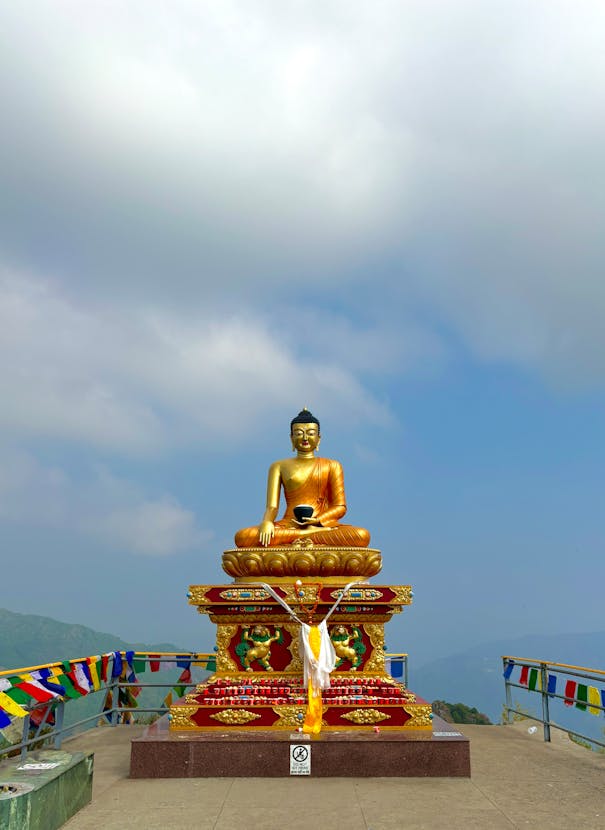
- Yogadhyan Badri Temple: This is one of the revered Panch Badri temples, where Lord Vishnu (in his meditative posture, Yogadhyan) is worshipped. It is also the winter seat of Lord Badrinath's idol (Utsav Murti) when the main Badrinath temple closes for winter.
- Lord Kuber Temple: Another significant temple in Pandukeshwar is dedicated to Lord Kuber, the god of wealth.
- Ancient Architecture: The temples here showcase traditional Garhwali architecture, with intricate carvings and historical significance.
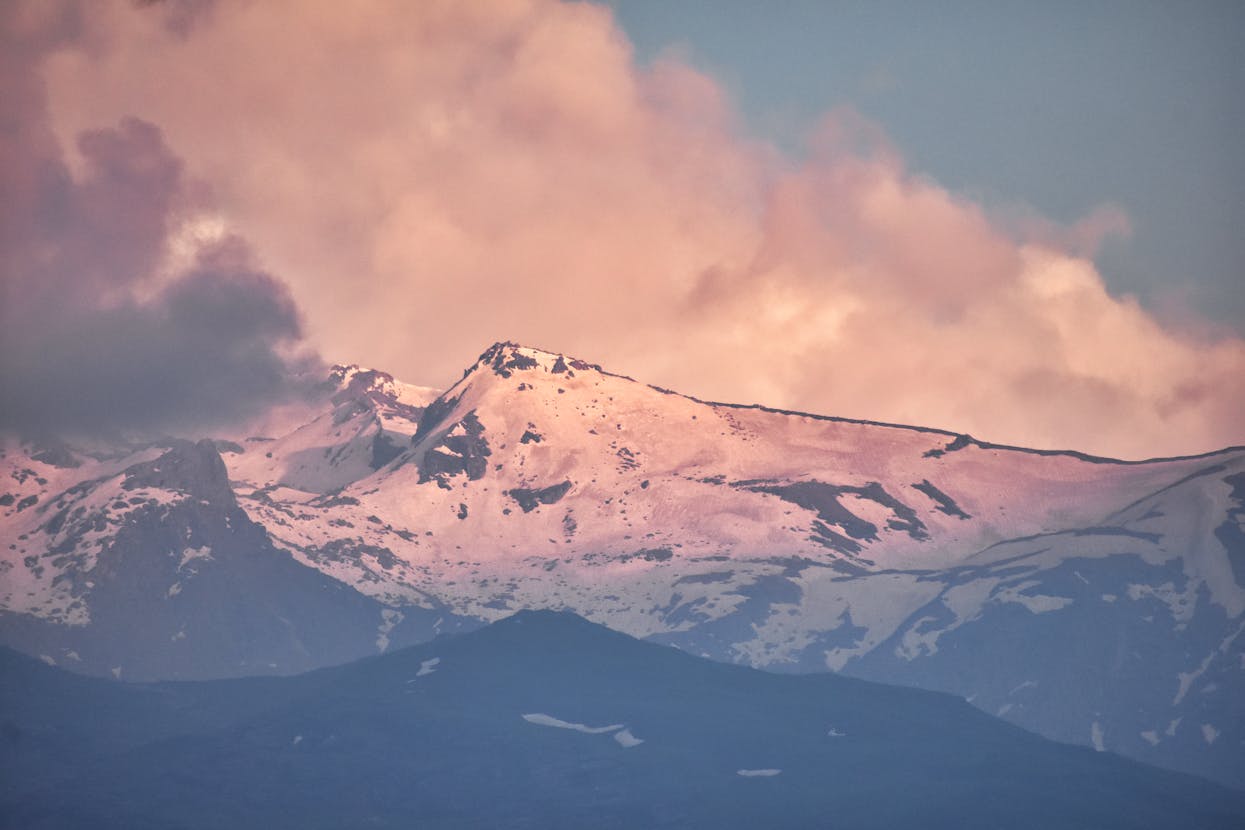
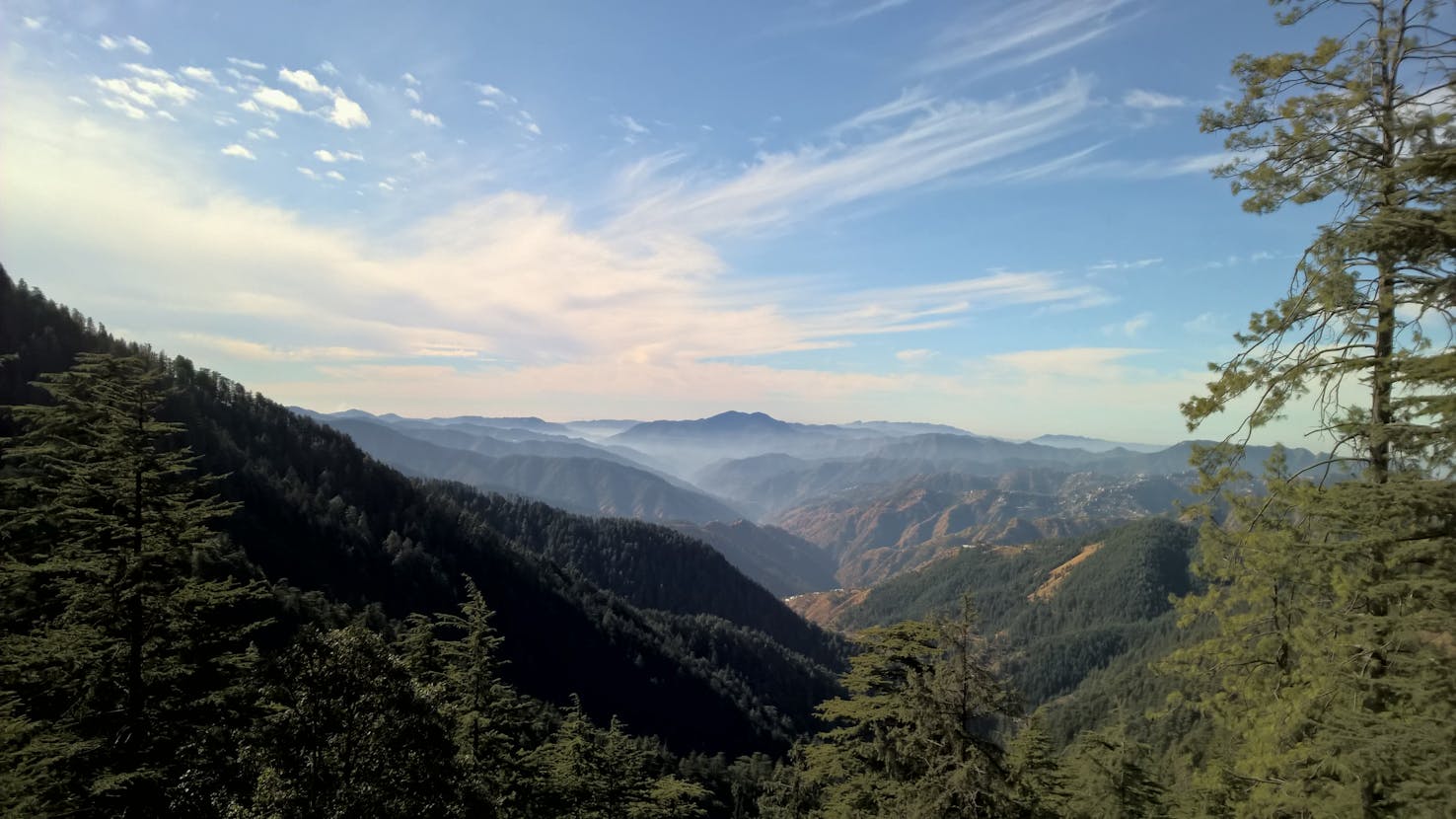
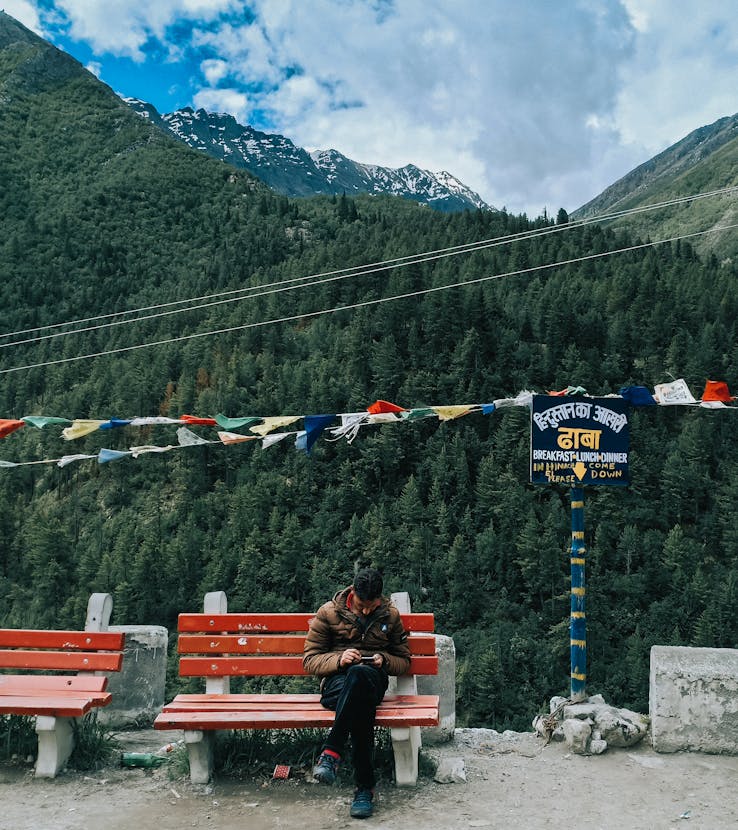
- Scenic Beauty: Situated amidst the majestic mountains and by the Alaknanda River, the village offers picturesque views and a serene environment.
Important Tips for Visiting Pandukeshwar (2025)
- Location: Pandukeshwar is located on the Badrinath National Highway (NH-7), approximately 20 km from Joshimath and 22 km from Badrinath. It's easily accessible by road.
- Best Time to Visit: Like Badrinath, it's best visited during the opening season from May to October. May-June and September-October offer pleasant weather.
- Visit Both Temples: Ensure you visit both the Yogadhyan Badri Temple and the Lord Kuber Temple to experience the full spiritual essence.
- Observe Rituals: If visiting during winter, you can witness the rituals performed for the Utsav Murti of Lord Badrinath here.
- Accommodation: You'll find basic guesthouses and dharamshalas in Pandukeshwar, suitable for pilgrims.
- Photography: Capture the beauty of the temples and the surrounding landscape, but be respectful inside the temple premises.
- Local Interactions: Engage with local priests or villagers to learn more about the fascinating legends and history of the area.
Pandukeshwar is more than just a stop on the way to Badrinath; it's a place where ancient tales come alive and spiritual energy envelops you. Immerse yourself in its timeless charm!
FAQs about Pandukeshwar
Q1: What is the main historical significance of Pandukeshwar?
A1: Pandukeshwar is named after King Pandu (father of the Pandavas), who is believed to have performed penance and lived here according to the Mahabharata.
Q2: Which major temple is located in Pandukeshwar?
A2: The Yogadhyan Badri Temple, one of the Panch Badri, is located here. It also serves as the winter seat for Lord Badrinath's idol.
Q3: How far is Pandukeshwar from Badrinath and Joshimath?
A3: Pandukeshwar is approximately 22 km from Badrinath and about 20 km from Joshimath, both easily accessible by road.
Q4: Is Pandukeshwar part of the Char Dham Yatra?
A4: While not one of the four main Char Dhams, it is a significant stop on the Badrinath pilgrimage route and part of the Panch Badri circuit.
Q5: What is the best time to visit Pandukeshwar?
A5: The ideal time to visit is during the Badrinath Yatra season, from May to October, with May-June and September-October offering pleasant weather.
Q6: Can I find accommodation in Pandukeshwar?
A6: Yes, basic guesthouses and dharamshalas are available in Pandukeshwar for pilgrims and travelers.