Nanda Devi National Park: Chamoli's Pristine UNESCO Wilderness!
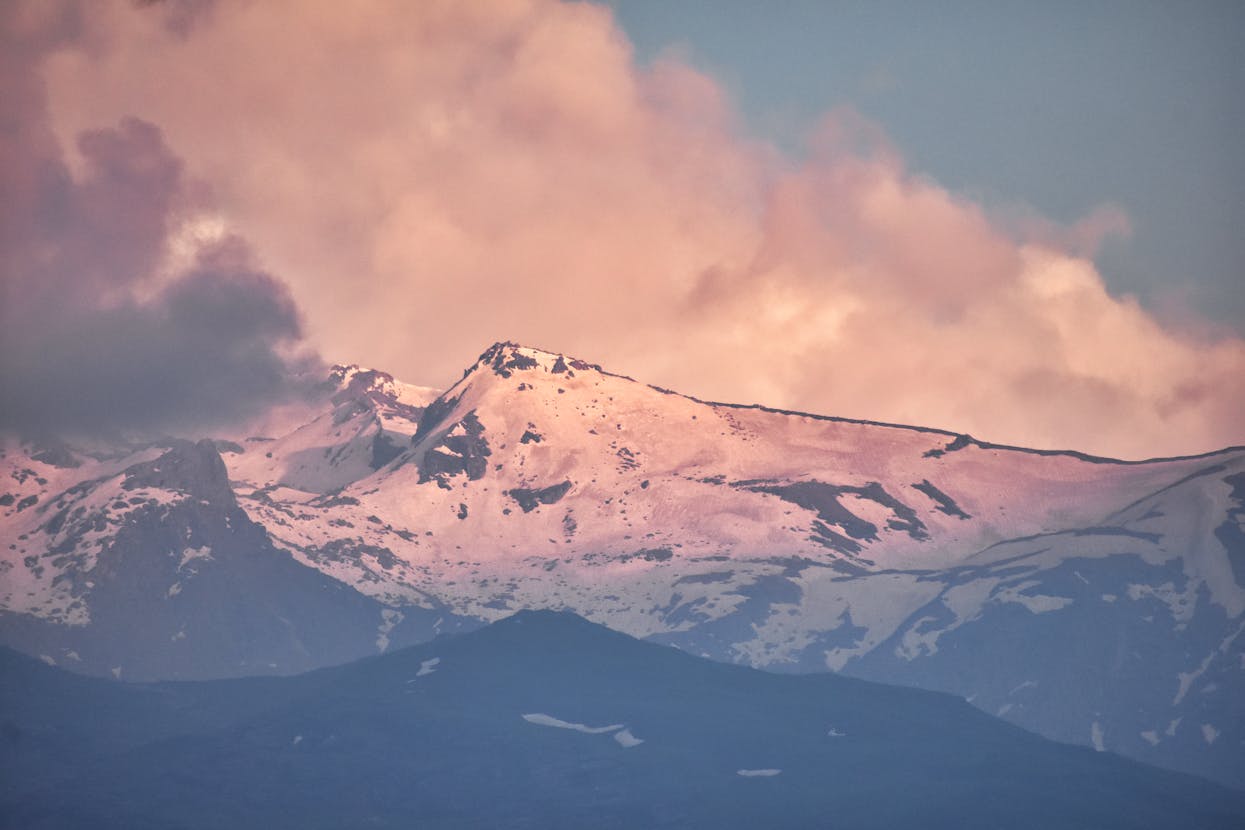
Hello, wilderness lovers and conservation advocates! Deep within the rugged heart of the Chamoli district lies the majestic Nanda Devi National Park, a UNESCO World Heritage Site that represents one of the most ecologically significant regions in the Himalayas. Named after the sacred Nanda Devi Peak (India's second-highest mountain), this park is a pristine sanctuary of unparalleled biodiversity, breathtaking landscapes, and awe-inspiring natural beauty. Its remote and largely untouched nature makes it a crucial area for the conservation of rare and endangered Himalayan flora and fauna.
In 2025, while direct entry into the core zone is highly restricted to protect its delicate ecosystem, understanding and appreciating the Nanda Devi National Park's significance is vital. You can still experience its grandeur from its fringes and surrounding areas. Ready to marvel at nature's masterpiece?
Nanda Devi National Park: A Sanctuary of Giants and Rarity
- UNESCO World Heritage Site: Recognized globally for its exceptional natural beauty and biological diversity, it forms part of the larger Nanda Devi and Valley of Flowers National Parks UNESCO site.
- Home to Nanda Devi Peak: The park encircles Nanda Devi Peak, a mountain of immense spiritual and mountaineering significance.
- Rich Biodiversity: It's a crucial habitat for endangered species like the Snow Leopard, Himalayan Musk Deer, Himalayan Tahr, Bharal (Blue Sheep), and various high-altitude bird species.
- Pristine Ecosystem: Due to its remote and protected status, the park's ecosystem remains largely undisturbed, making it a living laboratory for ecological studies.
- Unique Flora: The park boasts a wide range of alpine flora, including rare medicinal plants and various high-altitude grasses and shrubs.
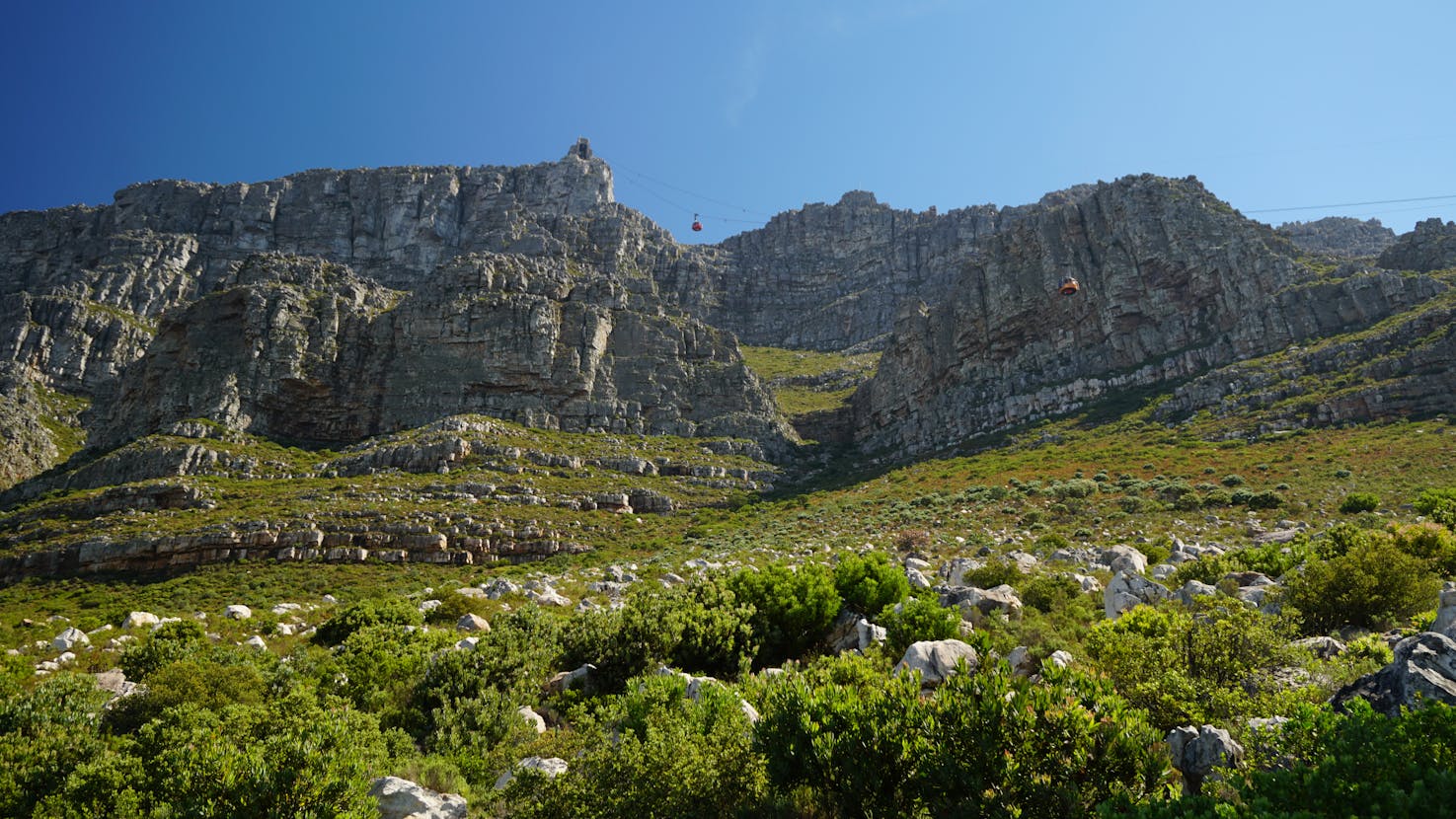
- Stunning Landscapes: Characterized by high-altitude peaks, glaciers, deep gorges, and pristine river valleys, offering some of the most dramatic scenery in the Himalayas.
Important Tips for Experiencing Nanda Devi National Park (2025)
- Restricted Entry: Direct entry into the core zone of Nanda Devi National Park is **strictly restricted** and usually requires special permits for scientific expeditions only. This is for conservation purposes.
- View from the Fringes: You can appreciate the park's grandeur from surrounding areas like Joshimath, Auli, or during treks to Kuari Pass or Roopkund (if allowed), which offer distant views of Nanda Devi and other peaks.
- Best Time for Views: May-June and September-October offer the clearest skies for viewing the peaks that form part of the park's boundary.
- Learn About Conservation: Take the opportunity to learn about the park's conservation efforts and the challenges of protecting such a sensitive high-altitude ecosystem.
- Support Eco-Tourism: Choose responsible tourism operators who adhere to strict environmental guidelines if you're undertaking treks in buffer zones.
- Photography: Capture the majestic beauty from accessible viewpoints, but always respect any photography restrictions.
- Respect the Wilderness: Even from outside the core zone, maintain the pristine nature by not littering and following all guidelines.
Nanda Devi National Park stands as a silent guardian of Himalayan wilderness, a testament to nature's unparalleled power and beauty. Respect its sanctity and let its grandeur leave an indelible mark on your soul!
FAQs about Nanda Devi National Park
Q1: What makes Nanda Devi National Park a UNESCO World Heritage Site?
A1: It is recognized for its exceptional natural beauty, unique biodiversity, and as a crucial habitat for endangered Himalayan species, forming part of a larger World Heritage Site.
Q2: Is Nanda Devi National Park open for tourism?
A2: Direct entry into the core zone is highly restricted for conservation. However, parts of the buffer zone and surrounding areas offer views and limited eco-tourism opportunities.
Q3: What kind of wildlife can be found in the park?
A3: It's home to rare and endangered species such as the Snow Leopard, Himalayan Musk Deer, Himalayan Tahr, Bharal (Blue Sheep), and various high-altitude birds.
Q4: When is the best time to view the Nanda Devi peak and its surrounding mountains?
A4: May-June and September-October offer the clearest skies and best visibility for mountain views.
Q5: What are the conservation efforts in place for Nanda Devi National Park?
A5: Strict regulations on entry, scientific research, and efforts to protect its unique flora and fauna are key aspects of its conservation.
Q6: Can I trek near Nanda Devi National Park?
A6: Treks like Kuari Pass or those leading to certain high-altitude meadows (bugyals) offer views of the peaks surrounding the park, but direct entry into the core zone remains restricted.