Hemkund Lake: Chamoli's Pristine High-Altitude Alpine Jewel!
Hello, nature lovers and spiritual adventurers! Nestled majestically amidst the towering peaks of the Chamoli district, Hemkund Lake is a breathtaking glacial lake that perfectly embodies the pristine beauty and spiritual sanctity of the Himalayas. Located at an elevation of approximately 4,329 meters (14,200 ft), this emerald-green lake is considered highly sacred by both Sikhs (as it cradles Hemkund Sahib Gurudwara) and Hindus (due to the nearby Lakshman Temple). Its calm, crystalline waters offer mesmerizing reflections of the surrounding seven snow-capped peaks, creating a scene of unparalleled serenity.
In 2025, embark on the rewarding trek to Hemkund Lake and prepare to be utterly captivated. Whether you're seeking spiritual solace, photographic perfection, or simply a moment of profound peace, this high-altitude jewel in Chamoli promises an unforgettable experience. Ready to be mesmerized?
Hemkund Lake: A Sacred Mirror in the Clouds
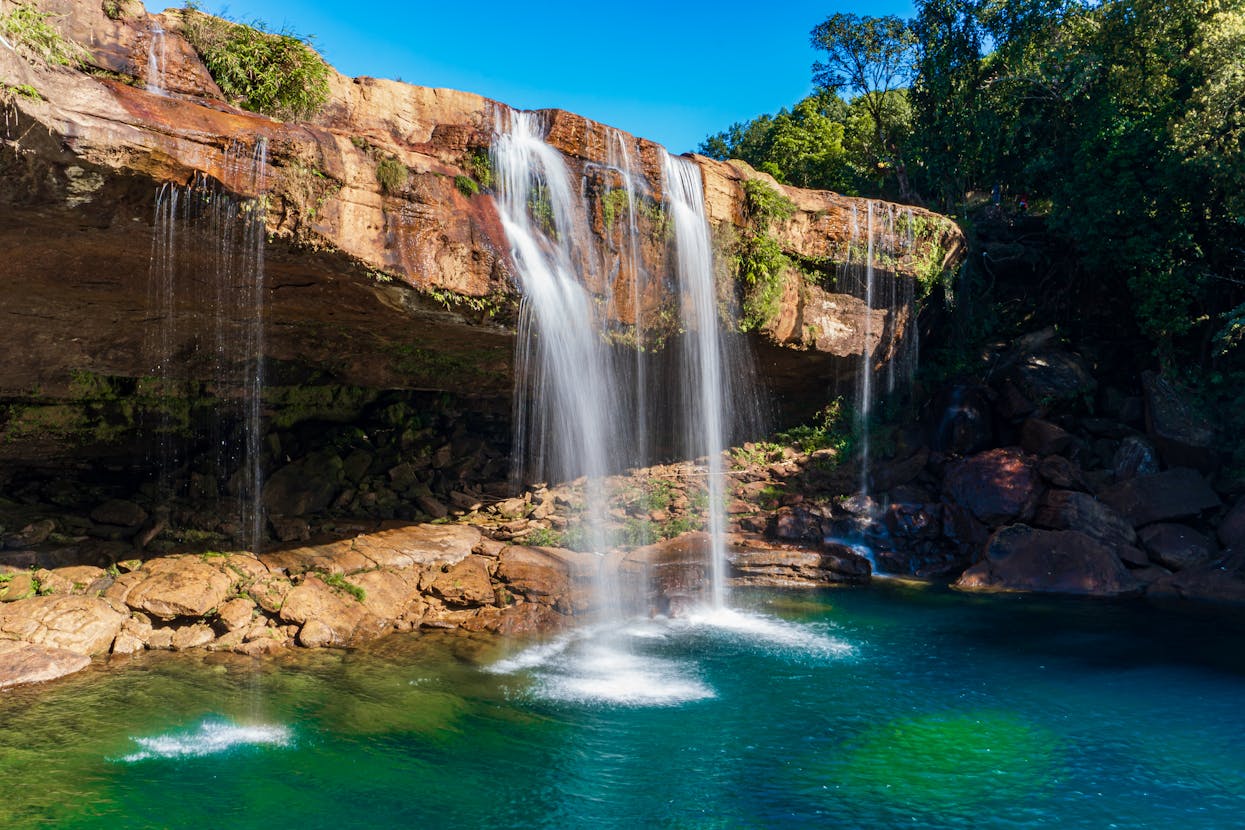
- Pristine Glacial Waters: The lake is fed by glaciers from the surrounding peaks, resulting in its incredibly clear, emerald-green waters.
- Seven Peaks Backdrop: Hemkund Lake is uniquely encircled by seven majestic snow-capped peaks, creating a dramatic and picturesque backdrop for its pristine waters.
- Sacred Confluence: It holds immense spiritual significance for both Sikhs (with Hemkund Sahib Gurudwara) and Hindus (with a small Lakshman Temple on its banks).
- Alpine Flora: The area around the lake is known for its unique high-altitude alpine flora, including the elusive Brahma Kamal (especially in late monsoon).
- Part of Valley of Flowers Ecosystem: Hemkund Lake is closely associated with the Valley of Flowers National Park, sharing the same base camp (Ghangaria).
- Profound Tranquility: Despite being a major pilgrimage site, the natural beauty and high altitude instill a deep sense of peace and reverence.
Important Tips for Visiting Hemkund Lake (2025)
- Opening/Closing Dates: The lake and Gurudwara are accessible only during the pilgrimage season, typically from late May/early June to early October, due to heavy snowfall. Always confirm official dates.
- Base Camp: Ghangaria is the common base camp, located 10 km trek from Govindghat.
- Trek to Lake: From Ghangaria, it's a strenuous 6 km uphill trek to Hemkund Lake. Allow 4-6 hours for the ascent.
- Acclimatization: Due to the very high altitude, it's crucial to spend a day or two in Ghangaria to acclimatize to prevent Acute Mountain Sickness (AMS).
- Physical Fitness: The trek is demanding. Ensure you are physically fit and have prepared with cardio exercises beforehand.
- Essential Gear: Wear warm, waterproof, layered clothing. Carry sturdy trekking shoes, rain gear, sunglasses, sunscreen, a personal first-aid kit, and sufficient water.
- Photography: The reflections are stunning! Early morning often offers the calmest waters and best light.
- Respect Sanctity: Maintain silence, dress modestly, and respect the religious sanctity of the area.
Hemkund Lake is a place where heaven truly meets earth, reflecting divine grace in its pristine waters. It's a journey of faith, endurance, and unparalleled natural beauty. May you find peace at its shores!
FAQs about Hemkund Lake
Q1: What is the main attraction of Hemkund Lake?
A1: Hemkund Lake is famous for its pristine glacial waters that offer stunning reflections of the surrounding seven snow-capped Himalayan peaks, including Chaukhamba.
Q2: Is Hemkund Lake sacred to both Sikhs and Hindus?
A2: Yes, it is sacred to Sikhs due to Hemkund Sahib Gurudwara and to Hindus due to a nearby Lakshman Temple on its banks.
Q3: When is Hemkund Lake accessible to visitors?
A3: The lake is accessible only during the pilgrimage season, typically from late May/early June to early October, due to heavy snowfall.
Q4: How difficult is the trek to Hemkund Lake?
A4: The trek from Ghangaria to Hemkund Lake is considered strenuous due to its steep uphill gradient and high altitude.
Q5: What unique flora can be found around Hemkund Lake?
A5: The area around Hemkund Lake is known for high-altitude alpine flora, including the rare and sacred Brahma Kamal flower, especially during late monsoon.
Q6: Can I swim in Hemkund Lake?
A6: While some devotees take a holy dip, the water is extremely cold (glacial). Swimming is generally not recommended due to the temperature and the lake's sacred status.