Kedarnath Wildlife Sanctuary: Chamoli's Untamed Wilderness & Wildlife!
Hello, wildlife enthusiasts and nature photographers! While the name "Kedarnath" often brings to mind the revered temple, it's also home to a spectacular and vital ecological zone: the Kedarnath Wildlife Sanctuary. Spanning parts of both Rudraprayag and Chamoli districts, this sanctuary is a high-altitude haven for some of the Himalayas' most elusive and endangered species. It's a place of breathtaking landscapes, from dense forests to sprawling alpine meadows, making it a critical biodiversity hotspot and a dream destination for those seeking to witness rare Himalayan fauna.
In 2025, venture into the untouched beauty of Kedarnath Wildlife Sanctuary. While sightings require immense patience and a bit of luck, the sheer joy of being in such pristine wilderness is an reward in itself. Get ready to observe nature in its rawest form!
Kedarnath Wildlife Sanctuary: A Haven for Rare Himalayan Species
- Endangered Species Hub: The sanctuary is crucial for the conservation of highly endangered species like the Himalayan Musk Deer (Musk Deer breeding center at Kandakhal is here), the elusive Snow Leopard, Himalayan Tahr, Serow, Bharal (Blue Sheep), and Himalayan Monal (the state bird of Uttarakhand).
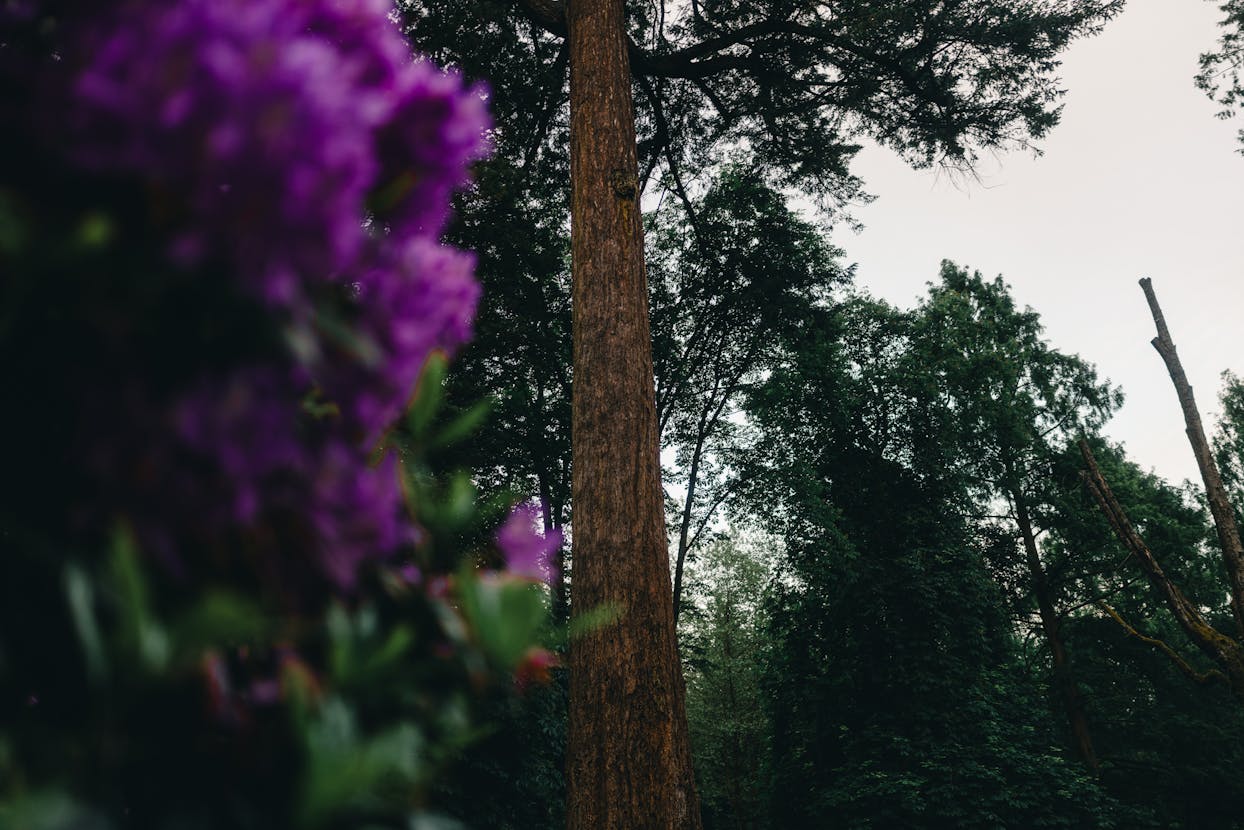
- Diverse Ecosystems: It encompasses a variety of habitats, including dense temperate and sub-alpine forests (oak, deodar, rhododendron), vast alpine meadows (bugyals), and rocky terrains at higher altitudes.
- Part of Chamoli District: A significant portion of the sanctuary falls within the Chamoli district, contributing to its rich natural heritage.
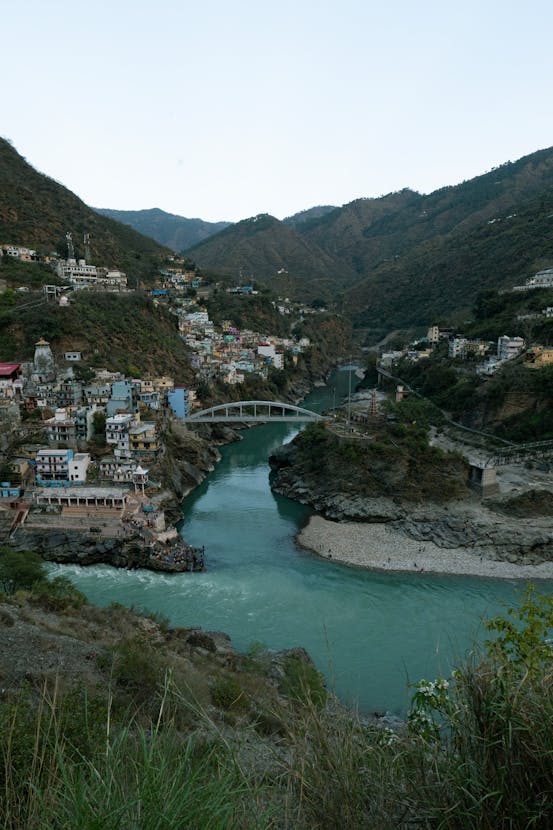
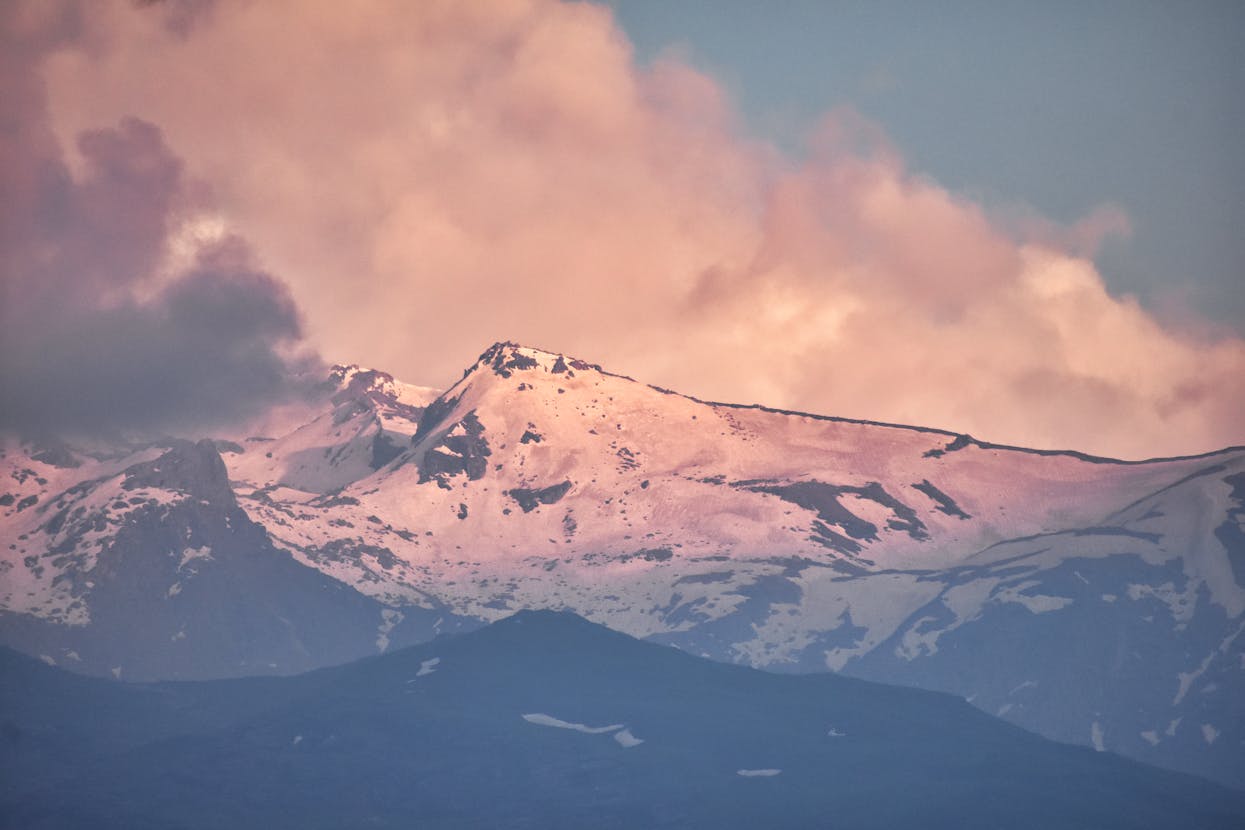
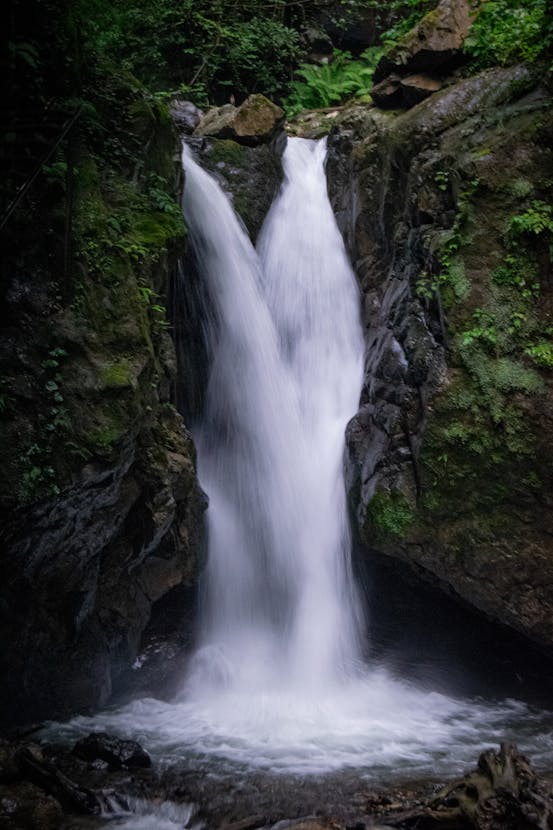
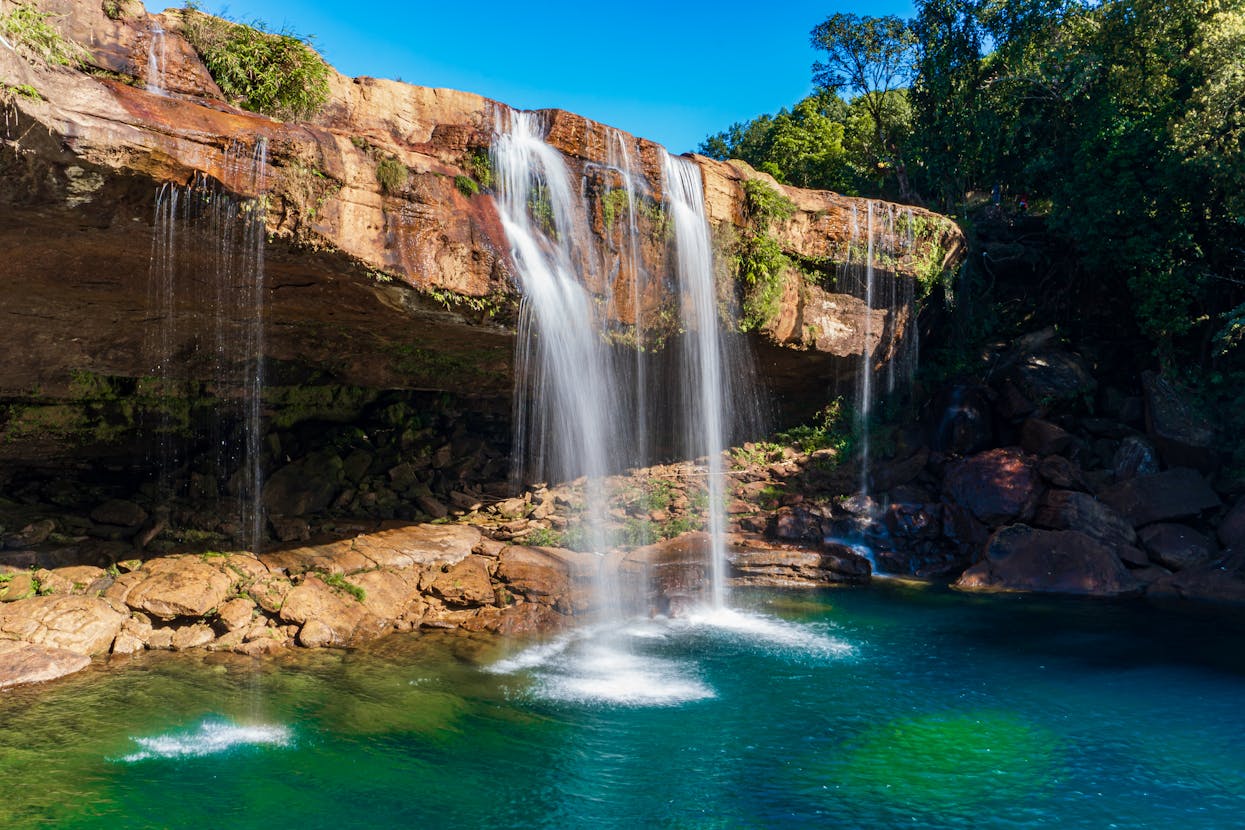
- Scenic Beauty: The landscapes within the sanctuary are stunning, with towering peaks, deep valleys, and pristine rivers, offering incredible opportunities for nature photography.
- Eco-Tourism Potential: While primary focus is conservation, managed eco-tourism allows visitors to experience its natural wonders responsibly.
Important Tips for Exploring Kedarnath Wildlife Sanctuary (2025)
- Permits are Essential: Entry into the sanctuary requires permits from the Forest Department. Inquire well in advance about procedures and costs.
- Best Time for Wildlife Sighting:
- Spring (April-June): Animals are more active as snow melts. Good for birds and clearer views.
- Autumn (September-November): Excellent for general wildlife viewing, clearer skies, before heavy snowfall.
- Winter (Dec-March): Best chance to spot Snow Leopards (they descend to lower altitudes), but access is very challenging due to snow.
- Hire a Local Guide: A knowledgeable local guide is crucial for navigating the terrain, understanding animal behavior, and increasing your chances of wildlife sightings.
- Respect Wildlife: Maintain a safe distance, do not disturb animals, and avoid making loud noises. Never feed wild animals.
- Leave No Trace: This is a highly sensitive ecosystem. Carry back all your waste, avoid plastic, and stick to designated trails.
- Physical Fitness: Exploring the sanctuary often involves trekking through challenging terrain at high altitudes. Ensure you are physically fit.
- Warm Clothing & Binoculars: Pack layers, rain gear, sturdy boots, and good quality binoculars or a spotting scope for wildlife observation.
Kedarnath Wildlife Sanctuary is a privilege to explore – a testament to the untamed beauty and precious biodiversity of the Himalayas. Step in with reverence and leave only footprints!
FAQs about Kedarnath Wildlife Sanctuary (Chamoli)
Q1: What are the main endangered species protected in Kedarnath Wildlife Sanctuary?
A1: The sanctuary is crucial for the conservation of Himalayan Musk Deer, Snow Leopard, Himalayan Tahr, Bharal (Blue Sheep), and Himalayan Monal.
Q2: Is the entire sanctuary located in Chamoli district?
A2: No, Kedarnath Wildlife Sanctuary spans parts of both Rudraprayag and Chamoli districts.
Q3: Do I need a permit to enter Kedarnath Wildlife Sanctuary?
A3: Yes, permits are required from the Forest Department to enter and trek within the sanctuary area.
Q4: What is the best time for wildlife viewing in the sanctuary?
A4: April-June and September-November are generally good. For snow leopard sightings, winter (Dec-March) is best but very challenging for access.
Q5: What types of landscapes are found within the sanctuary?
A5: The sanctuary features diverse landscapes including temperate and sub-alpine forests, vast alpine meadows (bugyals), and high-altitude rocky terrains.
Q6: Is trekking allowed inside Kedarnath Wildlife Sanctuary?
A6: Yes, regulated trekking is allowed in designated areas, often requiring a guide and permits. Some trails lead to popular destinations like Kedarnath Temple itself, which is just outside the sanctuary's core.