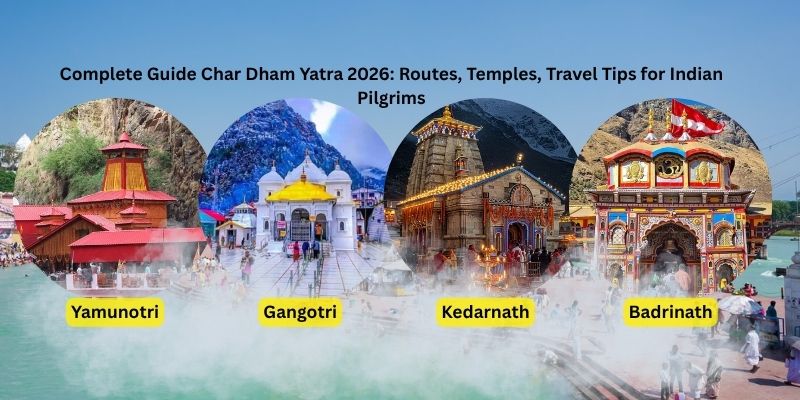
Complete Guide to Char Dham Yatra 2026: Routes, Temples, and Travel Tips
Char Dham Yatra 2026 is a sacred pilgrimage for many Indian travellers seeking spiritual renewal and darshan at Yamunotri, Gangotri, Kedarnath, and Badrinath. This guide provides a step-by-step, deeply practical plan for pilgrims preparing for the 2026 season. It covers routes, temple timings, travel logistics, accommodation, health and safety, packing lists, seasonal advice, and useful FAQs.
Why the Char Dham Yatra matters in 2026
The Char Dham circuit unites four revered shrines in the Garhwal Himalaya. For many devotees, completing all four temples in one pilgrimage is a lifetime goal. In 2026, improved infrastructure, regulated pilgrimage windows, and expanded heli services make planning easier but still require careful preparation. This guide is written in a spiritually rich, informative tone to help Indian pilgrims plan a respectful, safe, and meaningful trip.
Quick overview: the four dham
- Yamunotri - Source of River Yamuna, known for hot springs and the temple of Goddess Yamuna.
- Gangotri - Origin of River Ganga at Gaumukh and home to the Gangotri Temple.
- Kedarnath - Ancient Shiva temple perched near the Mandakini valley, accessible seasonally.
- Badrinath - Temple of Lord Vishnu on the banks of Alaknanda, with a long tradition of pilgrim rituals.
Best time to plan Char Dham Yatra 2026
The Char Dham temples open seasonally depending on snow and weather. Typical windows are:
- Yamunotri and Gangotri: Open from late April or May until Diwali/November depending on snow.
- Kedarnath: Usually accessible from late April/May until October/November depending on weather and road clearance.
- Badrinath: Opens around late April/May and remains open until November typically.
Plan around the official temple opening dates announced by Uttarakhand authorities in 2026. Booking during shoulder months reduces crowding and improves availability.
Primary routes and itinerary options
There are two common itinerary approaches: clockwise and anti-clockwise. Choose based on travel convenience and weather windows.
Typical 10–12 day clockwise itinerary
- Day 1: Arrive Haridwar/Rishikesh — acclimatize and do river aarti.
- Day 2: Travel to Barkot / Uttarkashi (for Yamunotri or Gangotri legs).
- Day 3: Yamunotri darshan and return to Barkot / move to Uttarkashi.
- Day 4: Gangotri and return to Uttarkashi / move toward Guptkashi.
- Day 5: Travel to Sonprayag / Gaurikund, trek/drive to Kedarnath base for darshan.
- Day 6: Kedarnath darshan and return to Gaurikund / move to Joshimath/Badrinath route.
- Day 7: Drive to Badrinath via Govindghat and Joshimath — Badrinath darshan.
- Day 8–10: Return to Haridwar/Rishikesh, rest, and departure.
Alternative relaxed 14-day plan
- Include buffer days for weather delays and acclimatization.
- Choose overnight stay at clean guesthouses in base towns to minimize fatigue.
Transport options: road, helicopter, and trek
Transport choices in 2026 include comfortable roads, helicopter services from Pithoragarh, Dehradun, or Phata depending on availability, and traditional trekking routes. Decide early if you want heli services — they require registration and are ticketed by authorized operators.
- By road: Most pilgrims use private cabs, shared taxis, or state-run buses. Roads are now better but can be winding and slow.
- By helicopter: Useful for Kedarnath and Badrinath legs; ideal for elderly pilgrims or to save time. Book through official operators; verify pick-up/drop points and baggage limits.
- By trek: For Kedarnath, many pilgrims trek from Gaurikund (16–18 km) or opt for palki/pony services. Prepare physically if choosing to trek.
Accommodation and booking tips
Book hotels and dharamshalas early, especially in peak season. Consider government guest houses and registered ashrams for safe stays. Always confirm facilities like hot water, heating, and meals before arrival.
Packing list for Char Dham Yatra 2026
- Layered clothing: thermal innerwear, fleece, rain jacket, gloves, warm cap.
- Comfortable trekking shoes with grip and spare socks.
- Basic first-aid kit, personal medications, altitude sickness tablets if needed.
- Flashlight, power bank, water purification tablets, snacks.
- Id proofs, passport-size photographs, cash in small denominations.
- Respectful clothing for temple visits and a small offering for temples.
Health, safety and altitude precautions
Altitude is moderate to high at certain legs. Follow these safety tips:
- Acclimatize gradually; avoid rushing into higher altitudes the first day.
- Stay hydrated and avoid alcohol during the trek portion.
- Carry oxygen canisters if medically advised and keep emergency contacts handy.
- Buy travel insurance covering mountain rescue and emergency evacuation for the 2026 season.
Temple rules and local customs
- Dress modestly; remove shoes where requested and follow priest instructions for rituals.
- Respect local ecology; do not litter and follow plastic restriction rules active in Himalayan zones.
- Offering protocol: simple prasad, flowers, and cloth where permitted.
Budget planning and cost breakdown
Estimated per person budget ranges based on choices:
- Basic road trip with shared transport: ₹12,000–₹20,000 (excluding helicopter).
- Mid-range package with private cab and hotel stays: ₹25,000–₹45,000.
- Helicopter-assisted or luxury package: ₹60,000 and above per person depending on heli legs and services.
Local food and recommended meals
Taste local Garhwali cuisine like kafuli, chainsoo, and steamed rice. Carry light snacks for treks. Favor hot, nutritious meals to stay warm and energized.
Practical checklist before departure
- Confirm temple opening dates and any new guidelines from Uttarakhand authorities for 2026.
- Book transport and accommodation at least 30–45 days in advance for peak months.
- Pack medicines, warm clothing, and printed copies of bookings and ID proofs.
- Inform family or travel partner about itinerary and emergency contacts.
Top tips for a spiritually fulfilling yatra
- Begin with a clear intention; treat the journey as spiritual practice as well as travel.
- Participate respectfully in temple rituals and local prayers.
- Allow moments of silence at high-altitude shrines to savor the atmosphere.
FAQs: Frequently Asked Questions
Q1: When do Char Dham temples open in 2026?
Official opening dates vary by temple and will be announced by Uttarakhand government in early 2026. Typically temples open between late April and mid-May. Confirm dates on official portals before travel.
Q2: Can elderly pilgrims do the full Char Dham Yatra?
Yes, with proper planning. Helicopter services and shorter itineraries help. Ensure medical clearance from a physician and avoid strenuous trekking. Use palki or porter services where available.
Q3: Is online registration mandatory for 2026?
Registration requirements may change. For 2026, check official Uttarakhand tourism or temple trust websites for registration, permit, or e-pass rules.
Q4: Are vehicles allowed up to the temple gates?
Vehicle access differs by shrine. Badrinath is vehicle-friendly up to the town. Kedarnath requires a trek from Gaurikund or helicopter options. Yamunotri and Gangotri have their own access rules; follow local signage and transport advisories.
Q5: How to handle sudden weather delays?
Maintain buffer days in your itinerary. Keep emergency contacts, and stay in registered guest houses. Avoid risky travel during heavy rains or landslides.
Conclusion
The Char Dham Yatra 2026 can be a life-changing spiritual journey if planned with care, respect, and practical preparation. Follow official announcements, travel safely, and approach each shrine with reverence. May your pilgrimage be peaceful, safe, and transformative.
Remember: Check official Uttarakhand announcements for final dates and guidelines in 2026. Blessings for a safe and fulfilling pilgrimage.