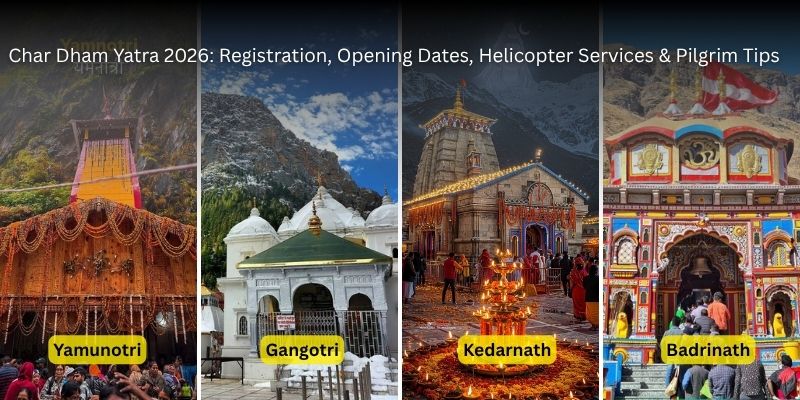
Char Dham Yatra 2026: Registration, Opening Dates, Helicopter Services & Pilgrim Tips
This detailed guide explains registration processes, expected opening dates, heli options, and practical advice for Char Dham Yatra 2026. It is written to serve Indian pilgrims seeking clear, step-by-step information for a smooth pilgrimage.
Registration and permits for Char Dham 2026
In recent years, authorities have introduced online registration and pilgrim management systems to improve safety and monitor visitor flows. For 2026:
- Expect online registration portals for certain legs and helicopter bookings.
- Carry a printed or digital copy of registrations and ID proofs as checks can be performed at checkpoints.
- If travelling with tour operators, confirm that they complete necessary permits on your behalf.
How to register: step-by-step
- Visit official Uttarakhand tourism or district administration websites designated for Char Dham 2026 registrations.
- Fill pilgrim details: full name, ID proof number, contact number, emergency contact, and health information.
- Select desired yatra legs and indicate preferred travel dates and transport preference (road/heli).
- Save confirmation number and carry it during travel.
Official communications and updates
Always monitor official sources for 2026 opening dates and advisories. Local administration may release travel advisories during monsoon, early snowfall, or in case of road maintenance.
Helicopter services in 2026: what to know
Helicopter options have expanded and provide time-saving access to Kedarnath and other high altitude sites. Key facts:
- Heli tickets sell quickly; book early through authorized booking counters or official operator portals.
- Heli services have fixed luggage rules and boarding points; arrive early at helipads for security checks.
- Expect weather-related cancellations; keep alternate plans ready.
Helicopter booking checklist
- Confirm operator accreditation and refund policy.
- Check switch transfer points and baggage allowance.
- Maintain flexibility: book refundable or partially refundable tickets if possible.
Opening dates and seasonal considerations
Temple opening depends on snow clearance and safety checks. Typical patterns for 2026 are expected to be similar to previous years, but always verify with official notices. Consider:
- Pre-monsoon (May-June): Good for early access but expect occasional snowfall at higher altitudes.
- Peak season (July-August): May coincide with monsoon; landslide risk increases on some routes.
- Post-monsoon (September-October): Clear weather and calm views make this ideal for many pilgrims.
Travel insurance and emergency services
Insurance that covers helicopter evacuation, mountain rescue, and emergency hospitalisation is advisable for 2026. Carry emergency contact cards and register local contacts with family members before departure.
Packing and medical essentials specific to heli travel
- Pack light due to heli baggage restrictions.
- Carry a small first aid kit and altitude sickness medication.
- Keep a printed list of medicines with dosages and medical history for quick verification.
Local permits and vehicle passes
Road permits for certain restricted zones may be required. Private vehicles might face road checks at district borders. If you have large groups, carry group permits if applicable.
Accessibility and support for elderly and special needs
Helicopter access and arranged palki services can make the yatra possible for elderly or pilgrims with mobility issues. Communicate specific needs to operators and hotel staff in advance.
Sample two-week itinerary optimized for registration and heli availability
- Day 1: Haridwar arrival, local puja and register on official portals.
- Day 2: Transfer to Barkot/Uttarkashi for Yamunotri leg.
- Day 3: Yamunotri darshan, return and move to Gangotri base.
- Day 4: Gangotri darshan, move toward Kedarnath route.
- Day 5: If heli available, fly to Kedarnath; otherwise trek from Gaurikund.
- Day 6: Kedarnath darshan and return by heli or road.
- Day 7: Move to Badrinath route, rest day.
- Day 8: Badrinath darshan and local rituals.
- Day 9–14: Buffer days for weather, return travel, and rest.
Local contacts and important phone numbers
Maintain a list of local helpline numbers, district administration contacts, and official heli operator numbers. Save these on your phone and carry a printed copy.
Environmental responsibility
Respect local regulations about plastic use and garbage disposal. Participate in temple and community efforts to keep pilgrimage routes clean.
FAQs: Clear answers for common concerns
Q1: Do I need vaccine certificates or health proofs for 2026?
Health entry requirements may change. Check official health advisories before travel and carry a basic health certificate if required by authorities or heli operators.
Q2: How do I choose a reliable heli operator?
Use only government-approved operators and verify operator credentials on official portals. Ask for safety certificates and recent operating records if possible.
Q3: What happens if a heli is canceled due to weather?
Heli cancellations are common in bad weather. Operators usually offer refunds or rescheduling. Keep buffer days and alternative road options ready.
Q4: Are there restrictions on offerings and prasad?
Temples may restrict certain items to protect local ecology. Use biodegradable materials for offerings and follow temple-specific rules.
Conclusion
Char Dham Yatra 2026 will combine tradition with new conveniences like expanded heli access and improved registration systems. Careful planning, early registration, and respect for local customs will help make your pilgrimage safe and spiritually rewarding. Always cross-check official notifications before travel and build flexibility into your plans.
Final blessing: May your journey to Yamunotri, Gangotri, Kedarnath, and Badrinath bring peace, clarity, and spiritual fulfilment.