Ready for Anything: Essential Chardham Yatra Emergency Preparedness
The Chardham Yatra (चारधाम यात्रा) is an incredibly rewarding spiritual journey, but it takes pilgrims through the majestic yet unpredictable terrain of the Himalayas. While meticulous planning covers travel, accommodation, and spiritual aspects, true "शांति" (Shanti - peace) comes from being prepared for the unforeseen. Chardham Yatra emergency preparedness is not just a recommendation; it's a necessity that can significantly impact your safety and well-being. Given that it's July, the monsoon season adds another layer of unpredictability, making emergency readiness even more critical.
The Unforeseen Path: Why Emergency Preparedness is Your "सुरक्षा कवच" (Suraksha Kavach - Safety Shield)
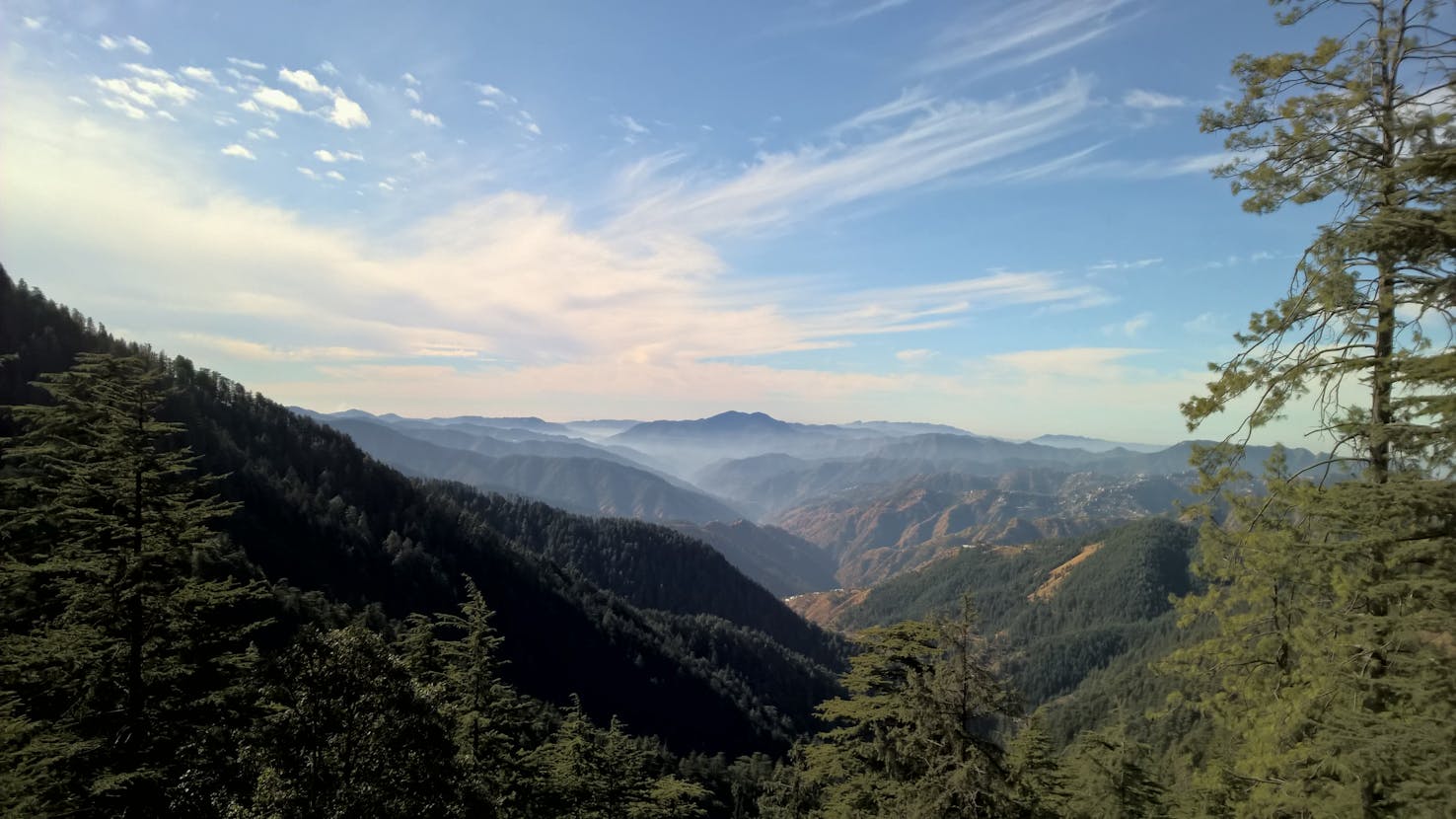
The Himalayan environment, while beautiful, can be challenging. Unpredictable weather, remote areas with limited connectivity, and rugged terrain mean that unforeseen events – from minor ailments to significant disruptions – are a possibility. Being prepared ensures that you can handle unexpected situations effectively, minimizing risks and allowing you to focus on your "यात्रा" (Yatra).
Essential Chardham Yatra Emergency Preparedness Steps
1. Comprehensive Medical Kit & Pre-Yatra Health Checks
- Pre-Yatra Check-up: Obtain a "fit-to-travel" certificate from your doctor. Discuss high-altitude travel and any pre-existing conditions.
- Personal Medical Kit: Carry all your prescribed medications (with extra doses), along with basic first aid supplies: band-aids, antiseptic wipes, pain relievers, anti-nausea pills, antacids, ORS (Oral Rehydration Salts), fever medication, muscle relaxant spray, and a thermometer.
- Portable Oxygen: For high-altitude areas, a portable oxygen cylinder is a vital "सहायता" (Sahayata - help), especially for seniors or those prone to breathlessness.
2. Mandatory Yatra Registration & ID Proof
- Complete Registration: Ensure you complete the online or offline mandatory Yatra registration before commencing your journey from a starting point like Haridwar.
- Multiple Copies: Carry multiple photocopies of your government-issued ID (Aadhaar Card, Passport, etc.) and your Yatra registration slip. Keep physical and digital copies in separate places.
- Why: This registration is crucial for tracking pilgrims and enables authorities to provide rapid "सहायता" (Sahayata - help) in emergencies, helping them identify and locate you if needed.
3. Travel Insurance (Crucial!)
- Comprehensive Coverage: Invest in a comprehensive travel insurance policy that specifically covers high-altitude trekking, medical emergencies, emergency evacuations (including helicopter rescue), and trip cancellation/interruption due to unforeseen circumstances like landslides or extreme weather.
- Why: Medical emergencies and rescue operations in the Himalayas can be incredibly expensive. Insurance provides vital financial protection and peace of mind.
4. Emergency Contact Information
- Store Critical Numbers: Save all essential contact numbers in your phone: family members, friends, your tour operator's emergency line, local police (112, 100), ambulance (108), Uttarakhand Disaster Management Helpline (1070), and your doctor.
- Physical Copy: Also, write these numbers down on a small card and keep it in your wallet or a prominent place in your bag, in case your phone battery dies or gets damaged.
5. Power & Connectivity Solutions
- Power Banks: Carry multiple high-capacity power banks and charging cables for all your electronic devices. Electricity supply can be intermittent in remote areas.
- Network Awareness: Be aware that mobile network coverage can be patchy. BSNL and Jio generally have better coverage in Uttarakhand's remote regions, but even they might fail in certain pockets.
- Why: Essential for communication, especially if you are stranded or need to call for "सहायता" (Sahayata - help).
6. Sufficient Cash & Multiple Payment Methods
- Cash is King: ATMs are limited in number and often run out of cash in remote areas. Carry enough physical cash (in smaller denominations) for several days' expenses.
- Backup: While digital payments are gaining traction, don't rely solely on them. Keep credit/debit cards as a backup.
- Why: Road closures or power outages can make digital transactions impossible, and cash is vital for essential services.
7. Adequate Warm Clothing & Rain Gear
- Layered Clothing: Himalayan weather is highly unpredictable. Pack layered clothing, including thermal wear, woolens, and a waterproof and windproof jacket.
- Rain Gear: Especially crucial during the current monsoon season: a good quality waterproof jacket, rain pants, and sturdy, waterproof trekking shoes with good grip.
- Why: Prevents hypothermia and keeps you comfortable in changing conditions.
8. Hydration & Nutrition (Personal Stock)
- Water: Carry a reusable water bottle. Consider water purification tablets or a portable water filter. Only drink bottled or freshly boiled "पानी" (Pani - water).
- Snacks: Stock up on dry fruits, nuts, energy bars, and a few packets of instant noodles/soup.
- Why: Road blockages or being stranded could lead to delayed access to food and clean drinking water.
9. Know Basic First Aid
- Familiarize Yourself: Learn basic first aid for common injuries like cuts, sprains, and blisters. Also, understand the symptoms of Acute Mountain Sickness (AMS) and what to do if you or a fellow pilgrim experiences them.
- Why: Enables self-help until professional "चिकित्सा" (Chikitsa - medical) aid arrives.
10. Flexibility & Patience
- Embrace the Unpredictable: Be mentally prepared for delays, detours, or changes in your itinerary due to weather conditions (monsoon landslides are common).
- Stay Calm: Avoid arguments or panicking during unforeseen events. A calm demeanor helps in making better decisions and coping with stress.
Monsoon-Specific Emergency Considerations (July 2025)
- Landslides & Road Blocks: These are the most common emergencies. Always stay updated on road conditions (local authorities, tour operators). Be prepared for long waits and follow instructions from local police or SDRF (State Disaster Response Force).
- Flash Floods: During heavy rainfall, stay away from riverbanks and low-lying areas.
- Increased Risk of Sickness: The monsoon environment can increase the risk of waterborne diseases. Strictly adhere to hygiene practices regarding food and water.
- Helicopter Cancellations: If you planned helicopter travel, be ready with alternative road plans or buffer days, as cancellations due to weather are very common.
By diligently following these Chardham Yatra emergency preparedness guidelines, you equip yourself with the "सुरक्षा" (Suraksha - safety) and knowledge to face any challenge. This proactive approach ensures that your spiritual journey remains focused on devotion, rather than unforeseen disruptions, allowing you to experience the Himalayas with greater confidence and "शांति" (Shanti - peace).
Your Questions Answered: FAQs About Chardham Yatra Emergency Preparedness
- Q1: What is the most critical item to carry for emergency preparedness on the Chardham Yatra?
A: While many items are crucial, a **well-stocked personal medical kit (including all prescribed medications and portable oxygen)** combined with **valid travel insurance covering high-altitude evacuation** are arguably the most critical. These address immediate health crises and ensure professional rescue if needed without financial burden. - Q2: Why is Yatra registration mandatory, and how does it help in an emergency?
A: Yatra registration is mandatory for pilgrim safety and tracking. In an emergency, it allows authorities to quickly identify and locate stranded or missing pilgrims, enabling them to provide targeted "सहायता" (Sahayata - help). It's a vital part of the disaster management strategy implemented by the Uttarakhand government to ensure pilgrim welfare. - Q3: How should I manage communication if mobile networks are patchy during an emergency?
A: Always carry a fully charged power bank. Inform your family/friends about your daily itinerary and expected whereabouts in advance. In case of network issues, rely on local police/administration or your tour operator to help send messages. While satellite phones are an option for group leaders, they are not practical for individual pilgrims. Remember, safety first, communication second. - Q4: What specific precautions should I take for emergencies during the monsoon season (July-August)?
A: During the monsoon, prepare specifically for **landslides and road blockages**, which are common emergencies. Always carry extra food, water, and warm/rainproof clothing. Stay updated on weather forecasts and road conditions through official channels. Follow instructions from local authorities (police, SDRF), avoid trekking or driving during heavy rainfall, and be mentally prepared for unexpected overnight halts. - Q5: Is it advisable to travel without travel insurance for the Chardham Yatra?
A: **No, it is highly inadvisable to travel without comprehensive travel insurance.** The Himalayan terrain is unpredictable, and medical emergencies, especially high-altitude sickness (AMS) requiring expensive helicopter evacuation, can incur significant costs. Insurance provides crucial financial protection and ensures you receive necessary "चिकित्सा" (Chikitsa - medical) attention and support without financial stress.