When the Gates Open: Chardham Yatra - Best Time to Visit by Month for a Blessed Journey
The majestic Himalayas, home to the sacred Chardham Yatra (चारधाम यात्रा), beckon millions of devotees each year. While the divine blessings await year-round, embarking on this pilgrimage at the right "समय" (Samay - time) can significantly enhance your experience, ensuring comfort, safety, and a clear path to the Dhams. The challenging terrain and high altitudes mean that choosing the Chardham Yatra best time to visit by month is a crucial step in your planning. As we are currently in July, amidst the monsoon season, it's particularly important to understand the implications of different times of the year.
Understanding the Chardham Yatra Seasons
The portals of the Chardham temples (Yamunotri, Gangotri, Kedarnath, and Badrinath) are accessible only for a limited period each year, typically for about six months. They remain closed for the winter due to heavy snowfall and extreme cold.
- Opening Dates: The temples usually open around Akshaya Tritiya, which falls in late April or early May.
- Closing Dates: The temples close for winter around Diwali or Yama Dwitiya, usually in late October or early November.
This leaves two primary windows for pilgrims: the Spring/Early Summer season (May-June) and the Autumn season (September-October).
Month-by-Month Breakdown: Your Seasonal Guide
1. May (The Opening Month - Fresh Beginnings)
- Pros: The excitement is palpable as the gates open. The weather is generally pleasant in the lower regions, and snow-capped peaks offer breathtaking views at higher altitudes. It's ideal for those who wish to be among the first pilgrims.
- Cons: Being the opening month, pilgrim rush can be very high, leading to significant crowds and potentially higher prices for accommodation and transport. Residual snow and cold can still be present at higher Dhams (especially Kedarnath and Badrinath). Road conditions might still be undergoing repairs after winter.
- Ideal For: Devotees eager to experience the freshness of the opening season and who don't mind moderate cold and crowds.
2. June (Early Summer Peak - Warm & Welcoming)
- Pros: This is generally considered one of the best times for its comfortable "मौसम" (Mausam - weather). Temperatures are warmer, making treks more manageable. All roads are typically clear, and longer daylight hours allow for extended travel. Lush greenery begins to emerge.
- Cons: This is the peak pilgrim season, meaning the highest "भीड़" (Bheed - crowds), leading to long queues at temples, higher prices, and difficulty securing accommodations/transport. By the end of June, the monsoon (like the current July) starts to approach, bringing the first showers.
- Ideal For: Most popular for its generally good weather and full accessibility, but be prepared for heavy crowds and higher costs.
3. July (Monsoon Begins - Caution Advised)
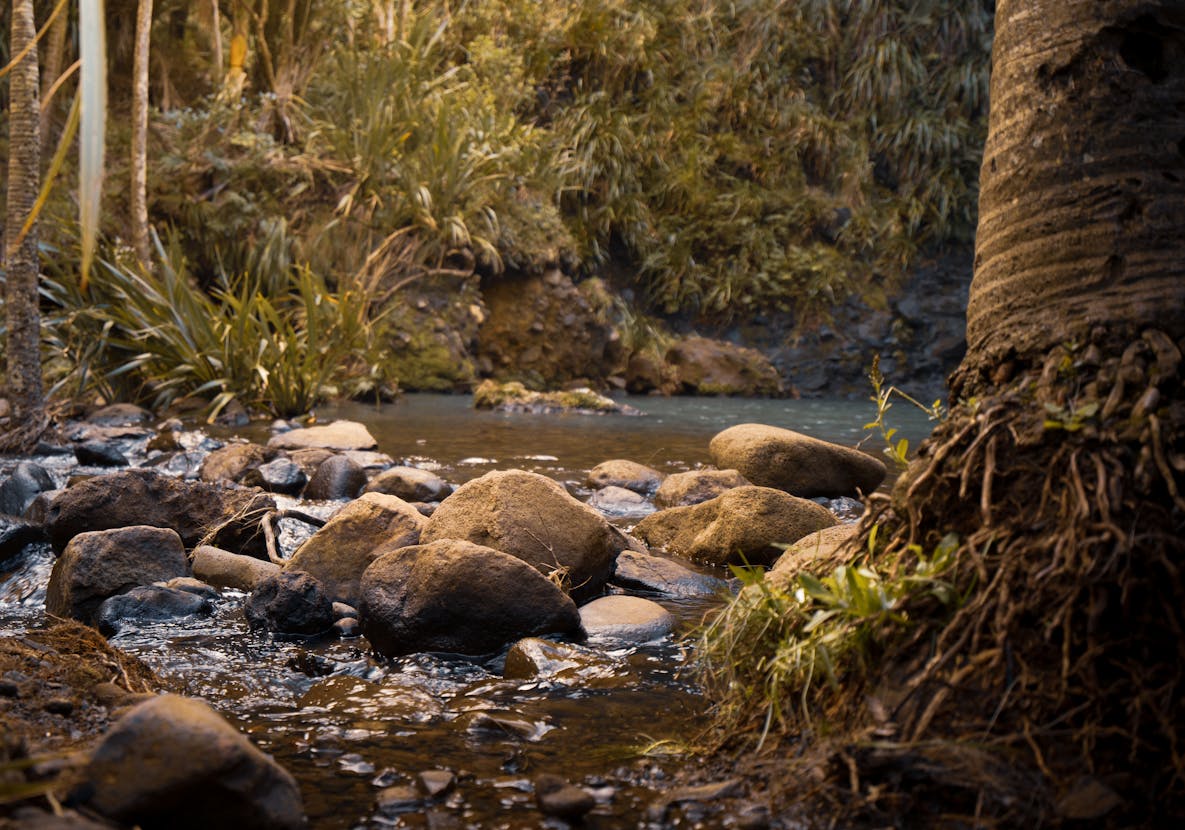
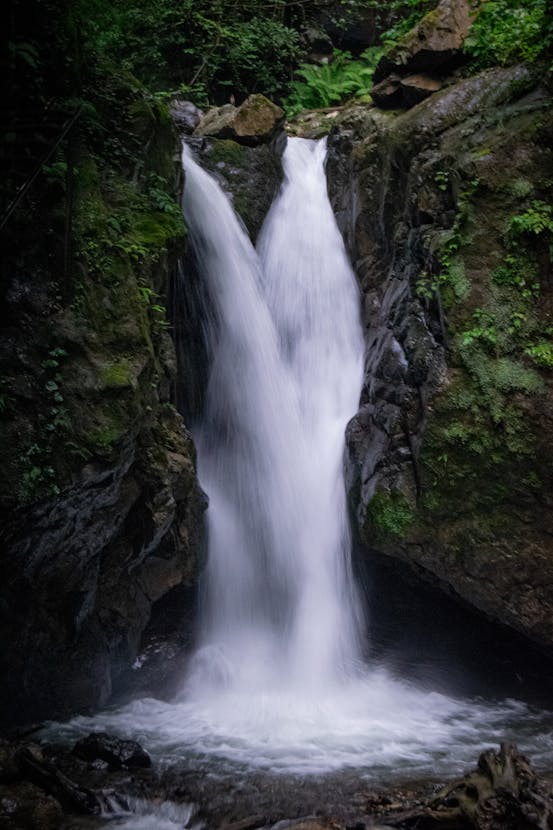
- Pros: Significantly less crowded, as most pilgrims avoid this period. The landscape transforms into a vibrant, lush green paradise with numerous waterfalls and misty valleys – a treat for nature photographers. Prices for services are generally lower.
- Cons: **NOT RECOMMENDED for most pilgrims, especially senior citizens, families with young children, or those with health conditions.** This is the onset of the monsoon. Expect heavy rainfall, which dramatically increases the risk of landslides, road blockages, flash floods, and extremely slippery paths. Visibility is poor. Health risks from cold and dampness increase. Helicopter services are frequently disrupted.
- Ideal For: Very adventurous, experienced travelers who are fully prepared for severe disruptions, potential isolation, and safety risks. Definitely **NOT** for first-timers or those seeking a comfortable, smooth pilgrimage.
4. August (Peak Monsoon - Highest Risk)
- Pros: Similar to July, with even fewer crowds. The natural beauty is at its most intense green, creating an ethereal and serene atmosphere for those who genuinely seek solitude amidst raw nature.
- Cons: **This is the LEAST RECOMMENDED time for the Chardham Yatra.** Expect the heaviest rainfall, maximum risk of landslides, and severe road blockages. The journey becomes highly unpredictable, hazardous, and physically demanding. Many tour operators suspend their services during this month.
- Ideal For: Exclusively for extreme nature lovers or adventure enthusiasts prepared for significant challenges; **not for a typical pilgrimage.**
5. September (Post-Monsoon Charm - Clear & Crisp)
- Pros: **One of the BEST times for the Yatra.** The monsoon recedes, leaving behind clear skies, lush green landscapes, and vibrant flowers. Roads are generally clear, and the air is crisp and clean. Temperatures are comfortable, and crowds are fewer than in May/June. This month offers excellent views and a very pleasant environment.
- Cons: Can be chilly at higher altitudes, especially after sunset. Occasional late monsoon showers might occur.
- Ideal For: Those seeking clear mountain views, pleasant "मौसम" (Mausam), and a relatively peaceful pilgrimage experience.
6. October (Autumnal Beauty & Closing - Serene & Cold)
- Pros: **Another excellent time, offering a unique charm.** The weather is crisp and clear, with stunning autumnal colors adorning the valleys. Crowds are minimal as the season draws to a close, creating a very serene atmosphere. Great for photography.
- Cons: Temperatures drop significantly, becoming very "सर्दी" (Sardi - cold), especially after sunset and at higher altitudes. Snowfall can begin at higher Dhams towards the end of the month, potentially affecting accessibility. Many services start winding down.
- Ideal For: Pilgrims who prefer colder weather, tranquility, and don't mind the possibility of limited services or early snow.
7. November (Closing Month - Winter Descends)
- Pros: A sense of culmination as the temples prepare to close. Very few pilgrims.
- Cons: Extremely cold, with heavy snowfall making most roads impassable. Many services are already shut down. The Yatra becomes impractical and highly risky.
- Ideal For: Not suitable for pilgrimage.
Finding Your "सर्वोत्तम समय" (Sarvottam Samay - Best Time): Factors to Consider
- Weather & Comfort: May-June (warm to moderate) or Sept-Oct (cool to cold, but clear). Avoid Monsoon (July-August).
- Crowd Levels: May-June (High), July-August (Low, but risky), Sept-Oct (Moderate to Low).
- Accessibility: High in May-June and Sept-Oct. Low and highly unreliable during monsoon.
- Budget: Monsoon is generally the cheapest due to low demand, while peak season is the most expensive.
- Physical Fitness: If you have excellent fitness, you might have more flexibility. If you are a senior citizen or have health concerns, strictly stick to the best weather windows.
Choosing the right "समय" (Samay) for your Chardham Yatra is a gift you give yourself, ensuring a smooth, safe, and deeply spiritual journey. May your path to the divine be blessed with the perfect conditions!