Fueling Your Sacred Journey: What to Eat and Avoid During Your Chardham Yatra
Embarking on the revered Chardham Yatra (चारधाम यात्रा) is a profound spiritual experience, a journey where every step takes you closer to divine blessings amidst the majestic Himalayas. But as your "शरीर" (Sharir - body) carries your "आत्मा" (Aatma - soul) through winding mountain roads and sometimes strenuous treks, what you consume becomes incredibly important. Think of food as your personal fuel, not just for physical energy but also for maintaining the inner peace and clarity essential for this "पवित्र" (Pavitra - holy) pilgrimage. The unique challenges of high altitude, remote locations, and varying sanitation levels mean that being mindful of what to eat and avoid during Chardham Yatra is as vital as packing warm clothes!
The "Satvik" Philosophy: Nourishing Body and Soul
The essence of the Chardham Yatra aligns beautifully with the concept of "सात्विक" (Satvik) food. In Hinduism, Satvik food is considered pure, wholesome, and conducive to a calm mind and healthy body. It promotes clarity, peace, and spiritual growth. During a pilgrimage, choosing Satvik "भोजन" (Bhojan - food) helps maintain your physical well-being, supports digestion at higher altitudes, and resonates with the sacred atmosphere around you. It’s about eating simple, freshly prepared, vegetarian meals that are easy to digest and provide sustained "ऊर्जा" (Urja - energy).
What to Embrace: Your Energy Boosters for the Journey
1. Simple, Freshly Cooked Vegetarian Meals: Your Best Friends
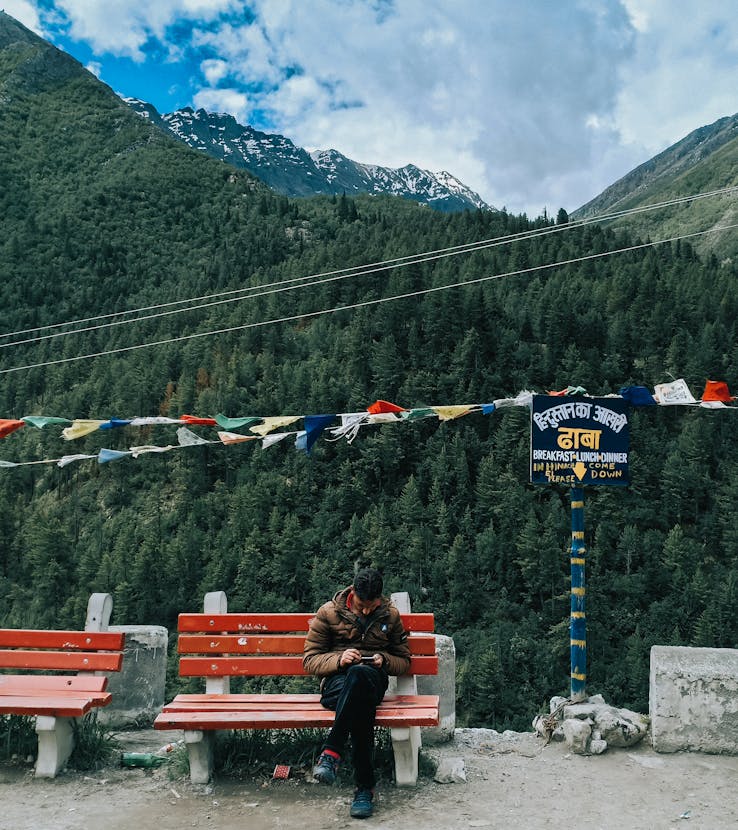
- Dal, Rice, Roti, Sabzi: This humble combination is your safest and most nutritious bet. It’s easy to digest, widely available, and provides balanced nutrients. Look for small, clean "ढाबा" (Dhaba - roadside eatery) or hotel kitchens that prepare food fresh.
- Khichdi: A comforting mix of rice and lentils, often cooked with minimal spices. It’s incredibly gentle on the stomach and a fantastic option if you feel slightly unwell.
2. Hydration Heroes: Your Lifelines in Thin Air
- Water, Water, Everywhere (and in your bottle!): High altitudes mean increased dehydration, even if you don't feel thirsty. Drink plenty of bottled or filtered/boiled "पानी" (Pani - water) throughout the day. Aim for small, frequent sips rather than large gulps.
- Warm Fluids: Herbal tea (ginger tea, tulsi tea), vegetable soup, or just plain hot water can be incredibly comforting and hydrating in the chilly mountain air. These also help soothe the throat.
- ORS (Oral Rehydration Salts): It’s a smart move to carry ORS sachets. Dissolve one in water if you feel dehydrated or experience an upset stomach; it quickly replenishes lost electrolytes.
3. Smart, Portable Snacks: Your Instant Energy Pockets
- Dry Fruits and Nuts: Almonds, walnuts, cashews, raisins, and apricots are excellent sources of concentrated energy and warmth. They are easy to carry and don't spoil quickly.
- Jaggery (Gud) & Chikki: Traditional Indian sweets made from jaggery provide quick energy and help combat the cold.
- Glucose Biscuits/Energy Bars: Handy for quick energy boosts, especially before or after a trek.
- Puffed Rice (Murmura) / Roasted Chana (Chickpeas): Light, easy to digest, and satisfying snacks.
4. Local Gems (with Caution):
- Seasonal Fruits: If available and you can wash them thoroughly with bottled water, fruits like apples or bananas are good choices.
- Ginger and Garlic: Local cuisine often incorporates these, and for good reason! They are known to help with digestion and provide warmth, often used traditionally to combat effects of cold and altitude.
What to Steer Clear Of: The Pitfalls to Your Pilgrimage
1. Non-Vegetarian Food & Alcohol: A Strict No-No
- This is a "पवित्र" (Pavitra) pilgrimage. Consumption of meat, eggs, and alcohol is strictly prohibited along the entire Chardham route and in the vicinity of the temples. Respect the sanctity of the journey and the local customs. Not only is it spiritually inappropriate, but non-vegetarian food is also harder to digest at high altitudes and can pose hygiene risks in remote areas.
2. Oily, Fried, and Heavily Spiced Food: The Digestive Dilemma
- While tempting, deep-fried items like Puri, Pakoras, or excessively spicy curries can be very difficult to digest at higher altitudes. They can lead to indigestion, acidity, and nausea, which can quickly derail your "स्वास्थ्य" (Swasthya - health) and comfort. Stick to simple, home-style cooking.
3. Stale or Unhygienic Food: The Silent Saboteur
- Food poisoning is a real risk in remote areas where sanitation standards might vary. Avoid eating anything that looks or smells stale. Be wary of cut fruits or pre-made juices sold by street vendors that might not have been prepared hygienically. Always prefer freshly cooked, hot meals. Look for busy eateries, as high turnover often means fresher food.
4. Cold Drinks and Ice: Shocking Your System
- While it might seem refreshing, consuming very cold beverages or ice can shock your system in a cold climate and potentially lead to a sore throat or respiratory issues. Opt for warm or room-temperature fluids instead.
5. Excess Dairy (for sensitive stomachs):
- While milk and paneer are part of Satvik food, if you have a sensitive stomach, large quantities of dairy might cause issues like bloating or indigestion at altitude. Consume in moderation.
Smart Eating Habits for High Altitude:
- Eat Small, Frequent Meals: Instead of three large meals, opt for 5-6 smaller meals throughout the day. This keeps your metabolism steady and prevents overloading your digestive system.
- Eat Slowly: Give your body time to digest. Rushing food can lead to discomfort.
- Don't Overeat: Stop eating when you feel satisfied, not full. Overeating can lead to sluggishness and digestive issues.
- Hydrate Constantly: Don't wait until you feel thirsty. Keep sipping water or warm fluids every 15-20 minutes.
- Avoid Eating Just Before Bed or Strenuous Activity: Give your body time to digest before sleeping or undertaking physical exertion.
Practical Food Management Tips:
- Carry Your Own Snacks: Pack a good supply of your preferred dry fruits, nuts, energy bars, and glucose biscuits from home. This ensures you always have a safe and reliable "ऊर्जा" (Urja) source.
- Inquire at Accommodations: Ask your hotel or guesthouse about their food preparation practices and available options. Many cater specifically to pilgrims with Satvik meals.
- Hand Hygiene: Always wash your hands thoroughly (or use hand sanitizer) before eating anything. This is your first line of defense against illness.
- Respect Local Traditions: Be mindful and respectful of local food customs and "नियम" (Niyam) in the region.
Your journey to the Chardham Dhams is a unique opportunity for introspection and devotion. By making conscious choices about what to eat and avoid during your Chardham Yatra, you empower your "शरीर" (Sharir) to support your "आत्मा" (Aatma), ensuring you have the strength, comfort, and peace of mind to fully immerse yourself in this divine experience. May your plates be wholesome, your spirit high, and your journey truly blessed!