Valley of Flowers National Park: Chamoli's UNESCO Floral Wonderland!
Hello, nature enthusiasts and beauty seekers! Prepare to be utterly mesmerized by the sheer spectacle of Valley of Flowers National Park, a breathtaking UNESCO World Heritage Site nestled high in the Chamoli district of Uttarakhand. This vibrant alpine meadow truly lives up to its name, transforming into a kaleidoscope of colors during the monsoon season when thousands of endemic Himalayan flowers burst into bloom. It's a magical place where legends come alive, and every step is a discovery of unparalleled natural artistry. A must-visit destination that promises to soothe your soul and ignite your senses!
In 2025, experience the peak bloom and witness nature's grandest exhibition. Combine it with a spiritual trek to Hemkund Sahib for a truly holistic Himalayan adventure. Ready for an explosion of colors?
Valley of Flowers: A Burst of Life in the Himalayas
- UNESCO World Heritage Site: Recognized globally for its outstanding biodiversity and exceptional natural beauty.
- Thousands of Floral Species: Home to over 600 species of alpine flowers, including rare and endemic varieties like the Himalayan Cobra Lily, Blue Poppy, Brahma Kamal, and Geranium.
- Monsoon Spectacle: The valley comes alive primarily during the monsoon months (July to early September) when the flowers are in full bloom.
- Rich Biodiversity: Besides flowers, the park is home to rare and endangered animals like the Asiatic black bear, snow leopard, musk deer, brown bear, and various bird species.
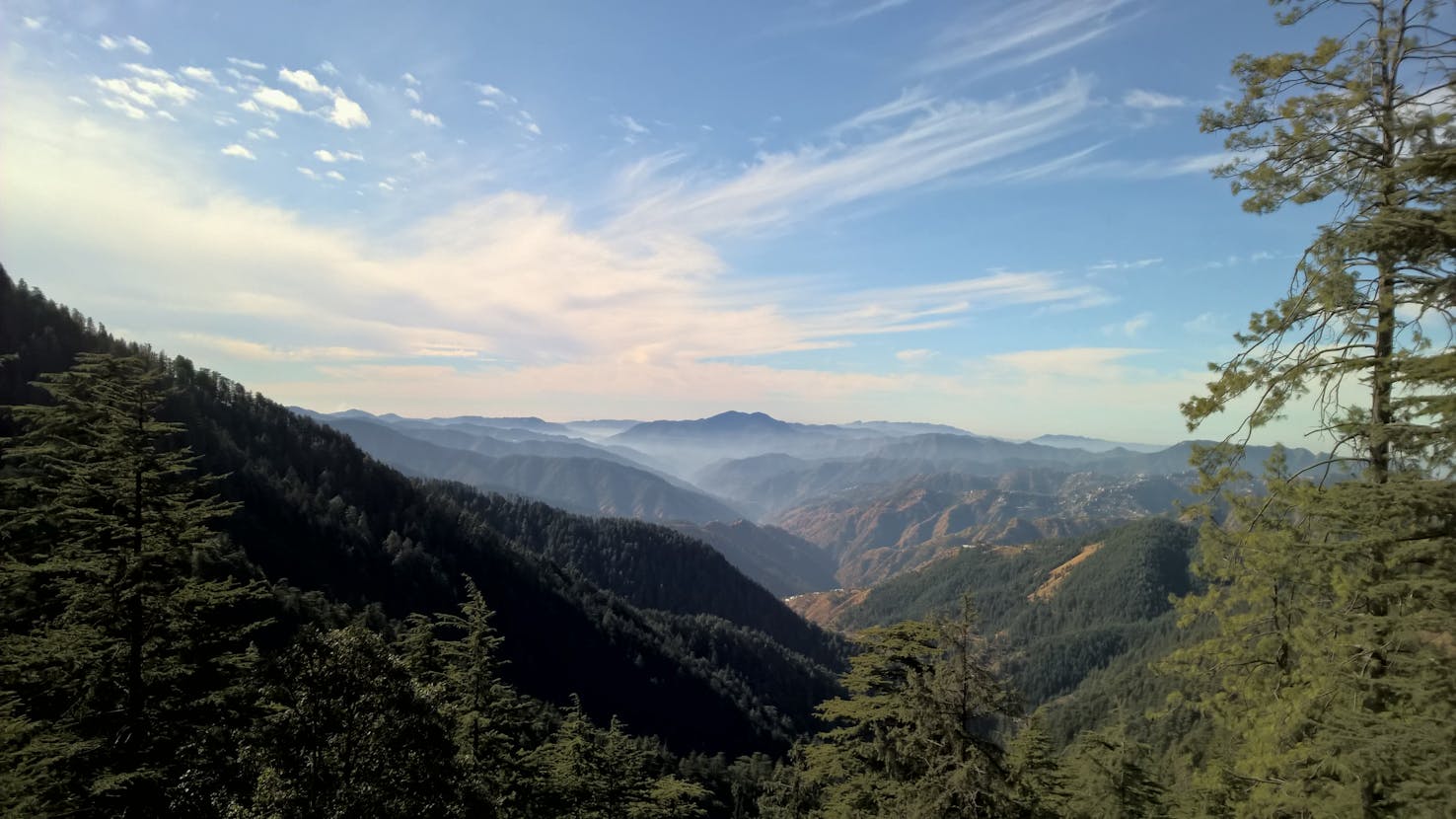
- Scenic Trek: The journey to the Valley of Flowers involves a picturesque trek, mostly gentle from Ghangaria, through stunning landscapes.
- Associated with Hemkund Sahib: The Valley of Flowers trek is often combined with the pilgrimage to Hemkund Sahib, as Ghangaria serves as the base for both.
- Mythological Connection: Legends say this is where Hanuman brought the Sanjeevani herb to revive Lakshmana, and it is also believed to be a place where fairies dance.
Important Tips for Visiting Valley of Flowers (2025)
- Best Time to Visit: The Valley of Flowers is only open from June to October. The best time for peak bloom is generally from mid-July to mid-August, during the monsoon, when the flowers are at their fullest.
- Entry & Permits: Entry to the park is regulated. You'll need to obtain permits from the Forest Department office in Ghangaria. The entry fee is applicable.
- Base Camp: Ghangaria is the base camp for both the Valley of Flowers and Hemkund Sahib. It's a 10 km trek from Govindghat.
- Trek to Valley: From Ghangaria, the Valley of Flowers is a 3-4 km trek (one way). You can only visit during daylight hours; overnight stay inside the valley is not permitted.
- Trekking Gear: Wear comfortable, waterproof trekking shoes, carry rain gear (umbrella/raincoat), a daypack, water bottle, and some snacks. The path can be slippery.
- No Littering: Maintain the pristine environment. Do not pluck flowers, and carry back all your waste.
- Acclimatization: Ghangaria is at a high altitude. Allow a day to acclimatize if you feel any symptoms of AMS.
- Advance Booking: Book accommodation in Ghangaria well in advance, especially during peak season.
The Valley of Flowers is a fleeting, magical experience that changes with every visit. Immerse yourself in its vibrant beauty and let the Himalayas paint a masterpiece for you!
FAQs about Valley of Flowers National Park
Q1: When is the best time to see flowers in the Valley of Flowers?
A1: The best time for peak bloom is typically from mid-July to mid-August, during the monsoon season.
Q2: Is Valley of Flowers a UNESCO World Heritage Site?
A2: Yes, Valley of Flowers National Park is a recognized UNESCO World Heritage Site for its rich biodiversity and endemic alpine flora.
Q3: How do I reach Valley of Flowers?
A3: The trek starts from Govindghat, from where you trek 10 km to Ghangaria (the base camp). From Ghangaria, it's a further 3-4 km trek into the Valley of Flowers.
Q4: Can I stay overnight inside the Valley of Flowers?
A4: No, overnight stay is not permitted inside the Valley of Flowers National Park. Visitors must return to Ghangaria by evening.
Q5: What permits are required for Valley of Flowers?
A5: You need to obtain an entry permit from the Forest Department office in Ghangaria before entering the National Park.
Q6: What kind of wildlife can be seen in Valley of Flowers?
A6: Besides flowers, the park is home to rare animals like Himalayan musk deer, snow leopard, Asiatic black bear, and various bird species.