Trishul Peak Views: Witnessing the Divine Trident of Chamoli!
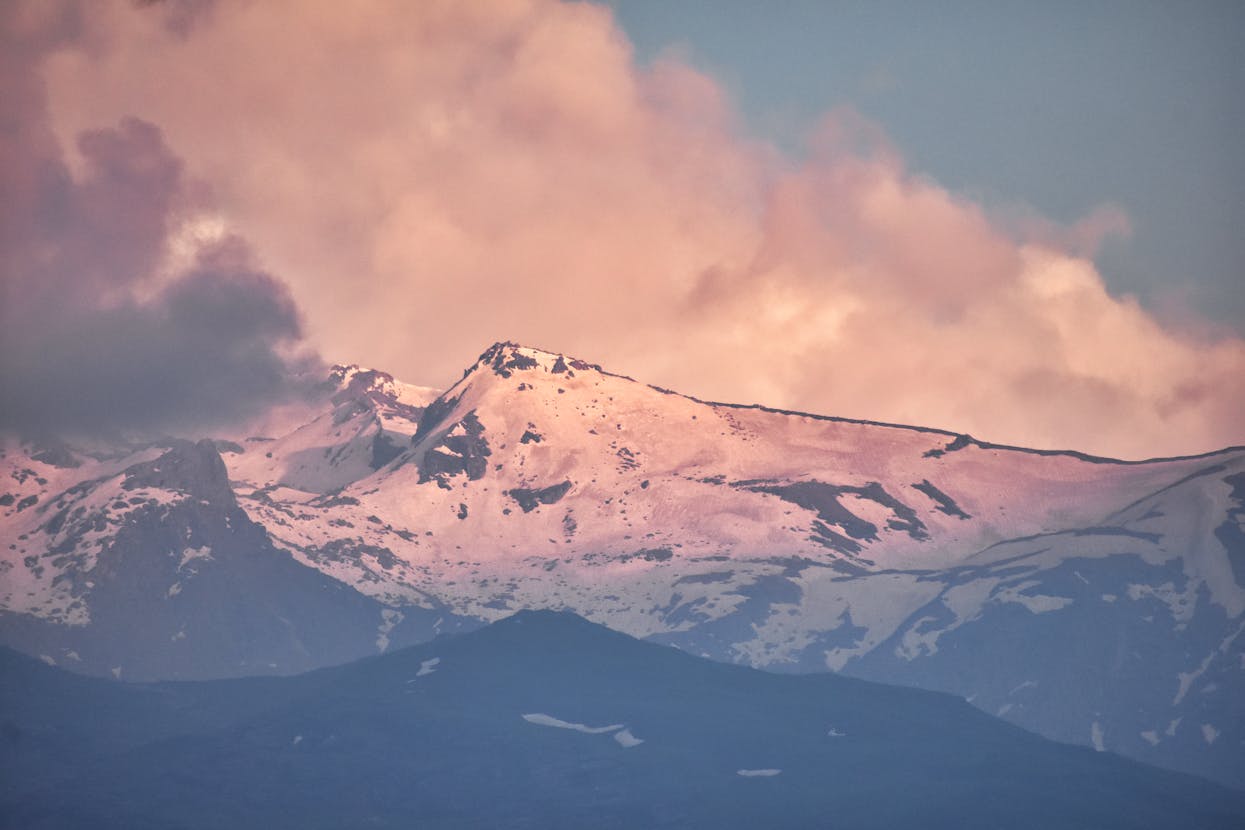
Namaste, mountain lovers and awe-seekers! Prepare to be captivated by the sheer grandeur of Trishul Peak, one of the most iconic and visually striking mountains in the Garhwal Himalayas. Named after Lord Shiva's trident due to its three prominent peaks, Trishul stands tall at 7,120 meters (23,360 ft), dominating the Chamoli district's skyline. While scaling its heights is a feat for seasoned mountaineers, simply witnessing its majestic presence from various vantage points in Chamoli is an unforgettable experience in itself.
In 2025, ensure your Chamoli itinerary includes gazing upon this divine trident. Whether it's from the lush meadows of Auli or a remote trekking trail, the sight of Trishul peak rising against the blue sky is a moment of pure inspiration and photographic delight! Get ready to be awestruck!
Trishul Peak: Chamoli's Majestic Mountain Icon
- Three Peaks of a Trident: As its name suggests, Trishul comprises three distinct peaks (Trishul I, Trishul II, Trishul III), forming a prominent trident-like shape that is clearly visible from many parts of Chamoli.
- Iconic Himalayan Landmark: It's one of the most recognized and photographed peaks in the Indian Himalayas, serving as a powerful symbol of the Garhwal region.
- Best Views from Auli: Auli offers some of the most spectacular and unobstructed panoramic views of Trishul, especially from its ski slopes and viewpoints. The Auli Ropeway also provides amazing aerial glimpses.
- Part of Nanda Devi Sanctuary: Trishul forms a part of the outer wall of the Nanda Devi Sanctuary, adding to its ecological and spiritual significance.
- Photographer's Paradise: The interplay of light and shadow on its snow-covered slopes, especially during sunrise and sunset, creates magical moments for photography.
- Spiritual Significance: Like many Himalayan peaks, Trishul is revered by locals and pilgrims, considered a dwelling place of deities.
Important Tips for Viewing Trishul Peak (2025)
- Best Time for Clear Views: March to June and September to November offer the clearest skies and best visibility for mountain views. Avoid peak monsoon (July-August) due to clouds.
- Head to Auli: For the most accessible and stunning views, Auli is your best bet. Spend time at the Auli ski slopes or the Artificial Lake for optimal viewing points.
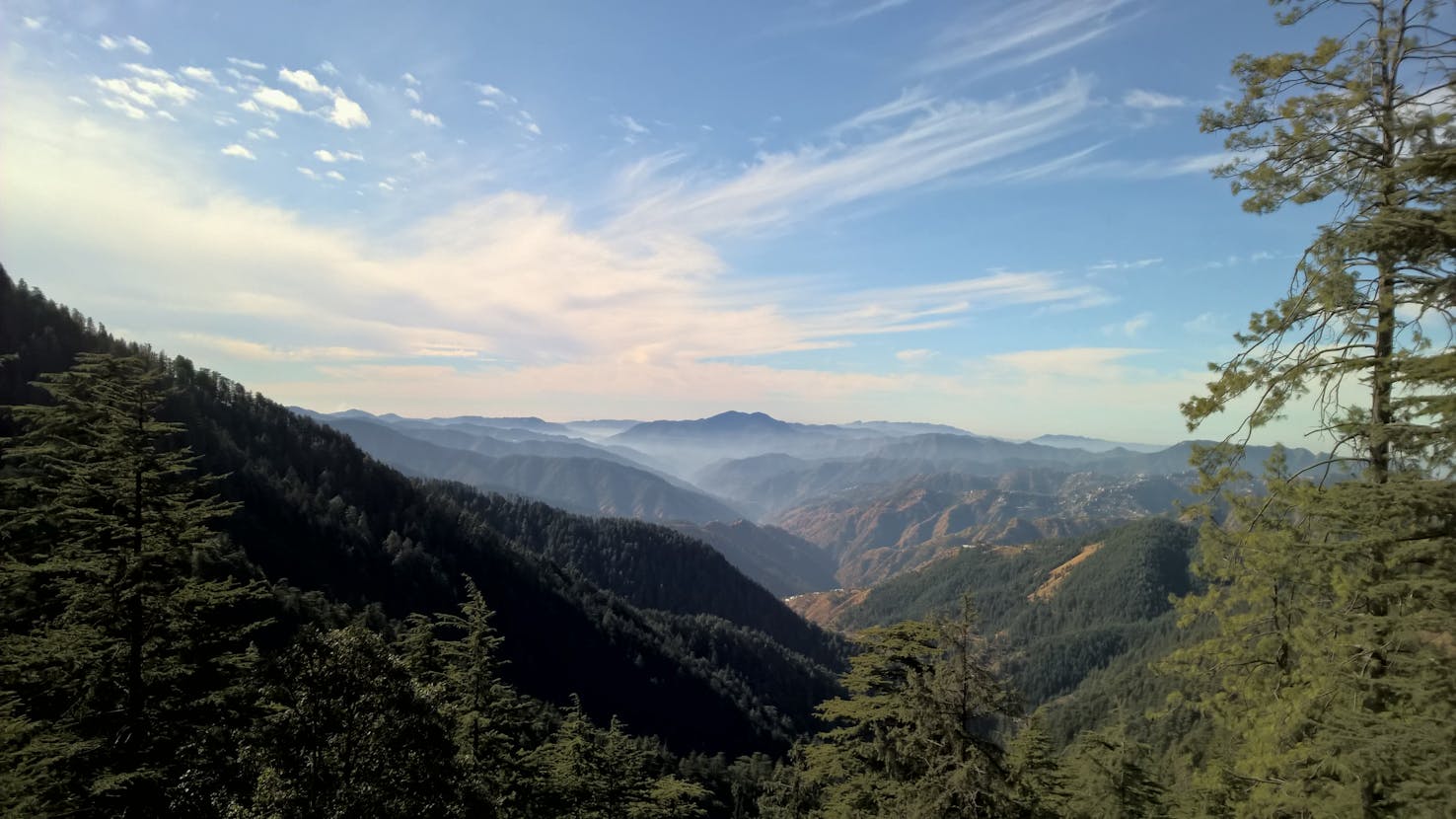
- Trekking Vantage Points: Treks like Bedni Bugyal and Kuari Pass also offer magnificent views of Trishul (among other peaks). These are longer, more strenuous options.
- Early Morning & Late Afternoon: The best times for photography and clear views are often early morning (sunrise) and late afternoon (sunset), when the light is softer and haze is minimal.
- Binoculars/Zoom Lens: Carry binoculars for detailed views or a good zoom lens for your camera to capture its majestic details.
- Weather Awareness: Mountain weather can change quickly. Even on a clear day, clouds can roll in rapidly. Be patient.
- Respect the Mountains: Admire their beauty and significance, and help keep the surrounding areas clean.
Trishul Peak is a constant, awe-inspiring reminder of the Himalayas' divine power and beauty. Let its grandeur inspire your Chamoli journey!
FAQs about Trishul Peak Views
Q1: What does "Trishul" mean and why is the peak named so?
A1: "Trishul" means trident (Lord Shiva's weapon). The peak is named for its three prominent peaks that resemble a trident.
Q2: From where can I get the best views of Trishul Peak in Chamoli?
A2: Auli offers some of the most spectacular and easily accessible views of Trishul Peak, especially from its ski slopes and the Auli Ropeway.
Q3: What other peaks are often seen alongside Trishul?
A3: From Auli and other vantage points, you can often see Nanda Devi, Nanda Ghunti, Dronagiri, Chaukhamba, and other prominent Himalayan peaks.
Q4: What is the best time for clear mountain views in Chamoli?
A4: March to June and September to November generally offer the clearest skies for panoramic mountain views.
Q5: Is it possible to trek to Trishul Peak's base camp?
A5: Trekking to the immediate base of Trishul is highly technical and restricted. However, treks like Roopkund or Kuari Pass offer distant views of the peak.
Q6: Why is Trishul Peak considered sacred?
A6: Like many high Himalayan peaks, Trishul is considered sacred in Hindu mythology, often associated with Lord Shiva and revered by locals.