Munsiyari: Pithoragarh Little Kashmir & Trekker's Paradise!
Namaste, mountain lovers and adventurous souls! Nestled in the Kumaon Himalayas of the Pithoragarh district, the captivating town of Munsiyari stands as a true jewel, often referred to as "Little Kashmir" due to its unparalleled natural beauty. It serves as the gateway to the Johar Valley and the magnificent Milam Glacier, and is dominated by the awe-inspiring, five-peaked Panchachuli range that seems to rise directly from the town. Munsiyari is a haven for trekkers, mountaineers, and nature enthusiasts, offering panoramic views, vibrant local culture, and access to some of Uttarakhand's most pristine wilderness areas.
In 2025, if you're yearning for an authentic Himalayan experience that combines breathtaking vistas with rich cultural immersion and thrilling treks, Munsiyari is your ultimate destination. It's an invitation to explore a truly special corner of Devbhumi. Ready for a slice of paradise?
Munsiyari: Where Majestic Peaks Touch the Sky
- "Little Kashmir": Its unparalleled beauty, especially during spring and autumn with lush meadows and vibrant colors, has earned it this charming nickname.
- Gateway to Johar Valley & Milam Glacier: Munsiyari is the crucial base camp for some of the most famous treks in Uttarakhand, including the challenging but rewarding Milam Glacier trek.
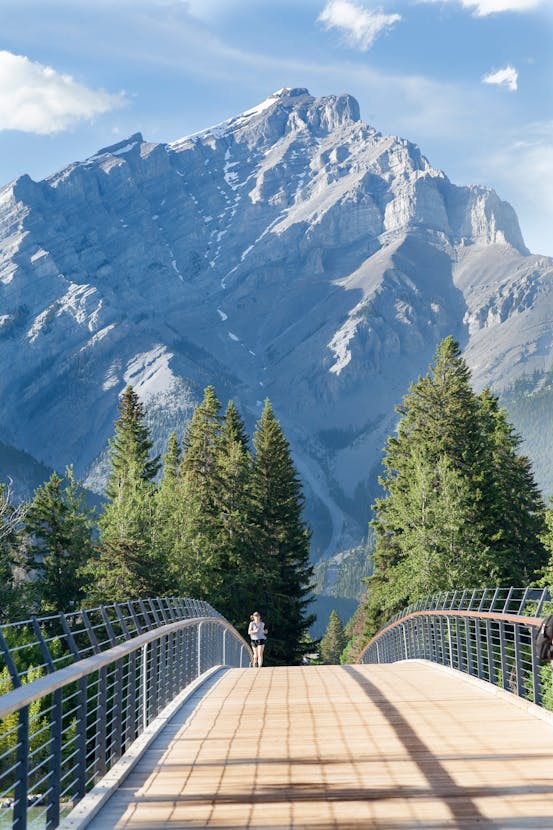
- Panchachuli Views: The most defining feature is the spectacular, unhindered view of the five snow-capped peaks of the **Panchachuli** range, which dominate the horizon.
- Rich Bhotia Culture: The town is inhabited by the Bhotia community, known for their unique culture, traditional handicrafts (especially woolens), and historical trade routes with Tibet.
- Diverse Flora & Fauna: Surrounded by dense forests of rhododendron, pine, and deodar, the region is rich in biodiversity and offers great opportunities for birdwatching and nature photography.
- Trekking & Mountaineering Hub: It's a prime destination for treks ranging from easy walks to multi-day expeditions, including Namik Glacier, Ralam Glacier, and Khaliya Top.
- Nanda Devi Temple: A small, revered temple offering views and a spiritual connection.
Important Tips for Visiting Munsiyari (2025)
- How to Reach: Munsiyari is well-connected by motorable roads. The nearest railway station is Kathgodam (275 km), and the nearest airport is Pantnagar (350 km). Regular buses and shared taxis ply from Haldwani, Pithoragarh, and Almora.
- Best Time to Visit:
- Summer (April-June): Pleasant weather, clear views, ideal for trekking and sightseeing.
- Autumn (September-October): Crisp air, stunning clear skies, excellent mountain views, and comfortable for trekking.
- Winter (November-March): Experience heavy snowfall, transforming the landscape into a white wonderland. Best for snow lovers and experienced winter trekkers.
- Monsoon (July-August): Lush green, but landslides can occur, and mountain views might be obscured. Avoid unless specifically seeking monsoon beauty.
- Accommodation: Munsiyari offers a range of hotels, guesthouses, and homestays. Book well in advance, especially during peak seasons.
- Permits: If you plan to trek beyond Munsiyari into the Inner Line (e.g., towards Milam Glacier), you will need **Inner Line Permits** from the SDM office in Munsiyari. Apply in advance.
- Local Handicrafts: Don't forget to buy local woolen handicrafts (carpets, shawls, thulmas) made by the Bhotia community.
- Acclimatization: Munsiyari is at a high altitude (2,200 m / 7,200 ft). Spend a day or two to acclimatize before attempting higher treks.
- Connectivity: Mobile network connectivity can be erratic. BSNL might work better.
- Carry Warm Clothes: Even in summer, evenings can be chilly. Always carry layered warm clothing.
Munsiyari is an extraordinary destination that captivates with its dramatic mountain scenery, rich cultural tapestry, and boundless opportunities for adventure. It's a place that truly represents the raw, majestic heart of the Kumaon Himalayas. Go, and let its grandeur humble you!
FAQs about Munsiyari
Q1: Why is Munsiyari called "Little Kashmir"?
A1: Munsiyari is called "Little Kashmir" due to its stunning natural beauty, especially its lush landscapes and panoramic views of snow-capped peaks, resembling parts of Kashmir.
Q2: Which prominent mountain range is visible from Munsiyari?
A2: The majestic five-peaked Panchachuli range is prominently visible and dominates the skyline of Munsiyari.
Q3: What kind of treks can be done from Munsiyari?
A3: Munsiyari is a base for treks ranging from easy (like Khaliya Top) to challenging multi-day expeditions (like Milam Glacier, Namik Glacier, Ralam Glacier).
Q4: Is an Inner Line Permit required for Munsiyari?
A4: For Munsiyari town itself, no permit is required. However, for trekking beyond Munsiyari into the Inner Line areas (e.g., towards Milam Glacier), an Inner Line Permit from the SDM office in Munsiyari is mandatory.
Q5: What is the best time to visit Munsiyari?
A5: April-June and September-October are ideal for pleasant weather and clear views. November-March offers a snowy winter wonderland experience.
Q6: What cultural experiences can I find in Munsiyari?
A6: Munsiyari is home to the Bhotia community, offering insights into their unique culture, traditional handicrafts (especially woolens), and historical trade practices.