How far is Mana Village from Badrinath?
Short answer: Mana Village is located approximately 3 to 4 kilometres north-west of Badrinath by road/path depending on the route, and about 2 to 3 kilometres as the crow flies. For pilgrims and travelers, the practical walking distance from central Badrinath town to the start of Mana Village can take around 40–75 minutes on foot, depending on pace and exact start point.
Why pilgrims ask about Mana Village
Mana Village is often called the last Indian village before the Indo-Tibetan border and is a cultural highlight for many visitors to Badrinath. Travelers on the Char Dham Yatra 2026 naturally ask about the distance because Mana offers unique sights — Vyas Gufa, Bhim Pul, ancient temples, and local shops — which fit well into the Badrinath day plan. This guide explains exact distances, walking routes, vehicle options, time estimates, seasonal considerations, and tips to make your visit comfortable and meaningful.

Exact distance numbers and how they are measured
The distance between Mana Village and the Badrinath temple town is commonly measured in three ways:
- Road distance: If you follow the motorable road and paths that connect the settlements, the distance is roughly 3–4 km. This accounts for the actual walking/driveable route which winds with the terrain.
- Straight-line distance (as the crow flies): On maps the straight-line separation is about 2–3 km.
- Walking route from main temple: From the Badrinath temple complex to the main entrance of Mana Village, expect a walking route of roughly 40–75 minutes, depending on where you start and your walking speed.
Common starting points and route options
There are different ways to reach Mana from Badrinath; choose depending on your ability, weather, and time available.
1. Walk along the main road (easy, scenic)
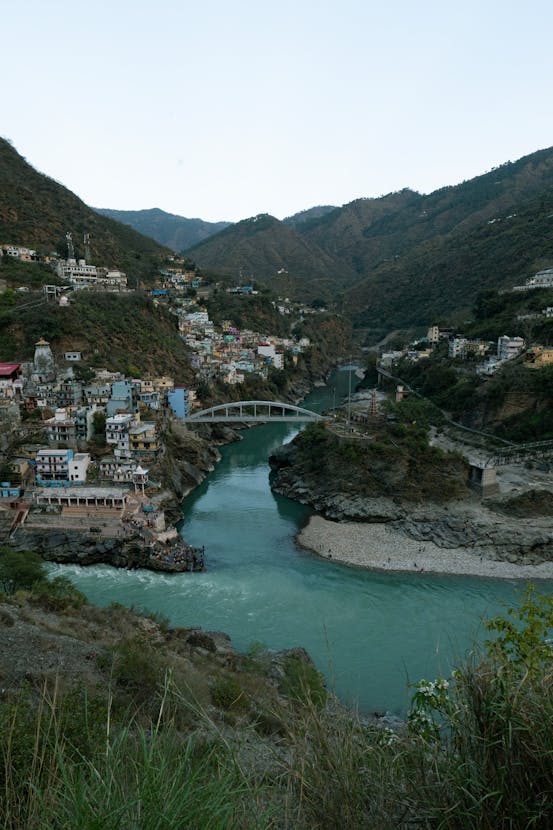
From Badrinath, a well-marked pathway and a motorable lane lead towards Mana. This is the most common route and is suitable for most pilgrims. It passes by Tapt Kund and the banks of the Alaknanda river, offering scenic Himalayan views. The terrain is relatively gentle for short stretches though parts may be uneven.
2. Short drive then walk (comfortable option)
If you prefer minimizing walk time, local taxis or shared vehicles can take you close to Mana; from parking points the village is a short walk. During peak pilgrim seasons there are often shared jeep services that shuttle visitors to and from Mana for a small fee.
3. Guided stroll with cultural stops
Many guided packages include a short walking tour to Mana with stops at Vyas Gufa, Ganesh Gufa, and Bhim Pul. These stops add time but enrich the visit. Expect 2–3 hours if you include all cultural sights and a relaxed pace.

Typical travel time estimates
- Fast walker: 30–40 minutes from central Badrinath to Mana entrance.
- Average pilgrim: 45–60 minutes with short stops.
- Leisure pace with sightseeing: 90–180 minutes depending on how many sites you visit.
Key attractions in Mana that influence how long you stay
Though Mana is close, it's worth allocating extra time. Main attractions include:
- Vyas Gufa: A rock cave where Maharishi Vyas is traditionally believed to have lived and composed parts of the Mahabharata.
- Bhim Pul: A small natural stone bridge associated with the legend of Bhima from Mahabharata. It's a popular photo stop.
- Ganesh Gufa: A cave shrine dedicated to Lord Ganesha.
- Historic ruins and traditional houses: Walk through narrow lanes to see Himachali architecture and local handicrafts.
- River views: Panoramic views of the Alaknanda and the surrounding peaks make Mana a lovely spot for a quiet pause.
Best time of day to visit Mana from Badrinath
Mornings are often the best time to visit for fewer crowds and better weather. If you plan to attend the morning aarti at Badrinath, consider visiting Mana either before the aarti (early morning) or after a calm post-aarti walk. Evenings can be beautiful but may be colder and less comfortable, especially outside the main summer months.
Seasonal considerations for Char Dham Yatra 2026
Season plays an important role:
- Peak season (May–June & September): Good weather and full services; roads and paths are open and comfortable.
- Shoulder season (April & October): Cooler temperatures and fewer crowds — comfortable for walking but pack warm layers.
- Opening/closing days: Avoid the very first or last days of the temple season; roads or local services might be limited.
Practical tips for the walk
- Wear sturdy, comfortable walking shoes with good grip — some sections are uneven.
- Carry water and light snacks, though Mana has small shops selling local items.
- Start early to avoid mid-day sun and increase your chances of clear skies and pleasant temperatures.
- Respect local customs — Mana is a living village with residents who value privacy and tradition.
Transport and parking information
If you prefer to drive, there are parking areas near Mana where taxis and private vehicles can stop. During peak pilgrimage months parking spaces may be limited so allow extra time. Shared jeeps or local taxis operate between Badrinath town and Mana; negotiate fares in advance or use rates suggested by your hotel or tour operator.
Safety and health considerations
Although Mana is close to Badrinath, you are still in a high-altitude Himalayan environment. Take these precautions:
- Acclimatize properly to avoid altitude sickness.
- Avoid strenuous walking right after long drives; rest before starting the stroll.
- If you have respiratory or heart conditions, consult your doctor before making the walk.
Where to eat and rest in Mana
Mana has a small range of tea stalls and local eateries offering simple meals and refreshments. Most visitors prefer to eat in Badrinath town or carry snacks. If you plan a longer cultural visit, plan a light picnic or return to Badrinath for lunch.
Recommendations for photographers and culture seekers
Mana is a photographer's delight. Early morning light, traditional houses, and river views create excellent frames. Be respectful; ask before photographing people and avoid sensitive or private spaces.

Sample half-day itinerary: Badrinath + Mana
- 05:00 AM — Early morning darshan at Badrinath. Experience morning rituals and aarti.
- 06:30 AM — Begin the walk to Mana; enjoy sunrise views and a calm riverbank.
- 07:30 AM — Visit Vyas Gufa and Bhim Pul; spend time exploring the village lanes.
- 09:00 AM — Return to Badrinath for breakfast and temple precinct exploration.
How long should you allocate for a meaningful visit?
If you include travel, short sightseeing, and a relaxed pace, allocate 2–4 hours to comfortably visit Mana from Badrinath. For photography, sampling local food, and visiting multiple sites, allow half a day.
Local etiquette and respectful visiting
- Dress modestly and be mindful of temple rules.
- Keep noise to a minimum when visiting caves and shrines.
- Carry a small polybag for any litter; Mana and Badrinath rely on visitor cooperation to stay clean.
FAQs about Mana Village distance and visit
Frequently Asked Questions
Q: Exactly how far is Mana Village from the Badrinath temple?
A: The practical walking distance from central Badrinath to Mana is around 3–4 km along the route most pilgrims use. Walking time is typically 40–75 minutes depending on pace and stops.
A: The practical walking distance from central Badrinath to Mana is around 3–4 km along the route most pilgrims use. Walking time is typically 40–75 minutes depending on pace and stops.
Q: Can I drive all the way to Mana Village?
A: Vehicles can reach near Mana but parking and traffic rules may limit direct access inside the village lanes. Many visitors park at designated spots and walk into the village.
A: Vehicles can reach near Mana but parking and traffic rules may limit direct access inside the village lanes. Many visitors park at designated spots and walk into the village.
Q: Is Mana safe for solo travelers and women?
A: Mana is generally safe, but normal travel caution applies. Visit during daylight, keep valuables secure, and inform your hotel or a local contact about day plans.
A: Mana is generally safe, but normal travel caution applies. Visit during daylight, keep valuables secure, and inform your hotel or a local contact about day plans.
Q: Are there guides available in Mana?
A: Local guides or drivers often provide short guided walks. You can arrange a guide through your hotel or a registered tour operator for cultural context and safety tips.
A: Local guides or drivers often provide short guided walks. You can arrange a guide through your hotel or a registered tour operator for cultural context and safety tips.
Useful links and further reading
For travel packages and organized Char Dham options which include Mana visits, check verified operators and packages: Chardham Yatra Packages. For state-level updates and travel advisories see Uttarakhand tourism: uttarakhandtourism.gov.in.
Conclusion: is Mana worth the short detour?
Yes. Mana Village is a compact, culturally rich detour from Badrinath that adds depth to the pilgrimage. The short distance makes it an easy addition to your Char Dham Yatra 2026 schedule. Whether you walk slowly to absorb local life, or take a quick drive and focused temple visit, Mana offers unique historical and spiritual touchpoints that complement your Badrinath experience.
Final tip: Plan to arrive early, carry warm layers, and leave room in your itinerary for quiet moments by the Alaknanda. Mana is close in distance but far in atmosphere — a small village with a timeless Himalayan charm that stays with many pilgrims long after the journey ends.
For curated Char Dham 2026 packages that include Mana visits and guided support, visit Ishta Devta Tours & Packages.