Lohaghat: Pithoragarh's Spiritual Haven & Scenic Beauty!
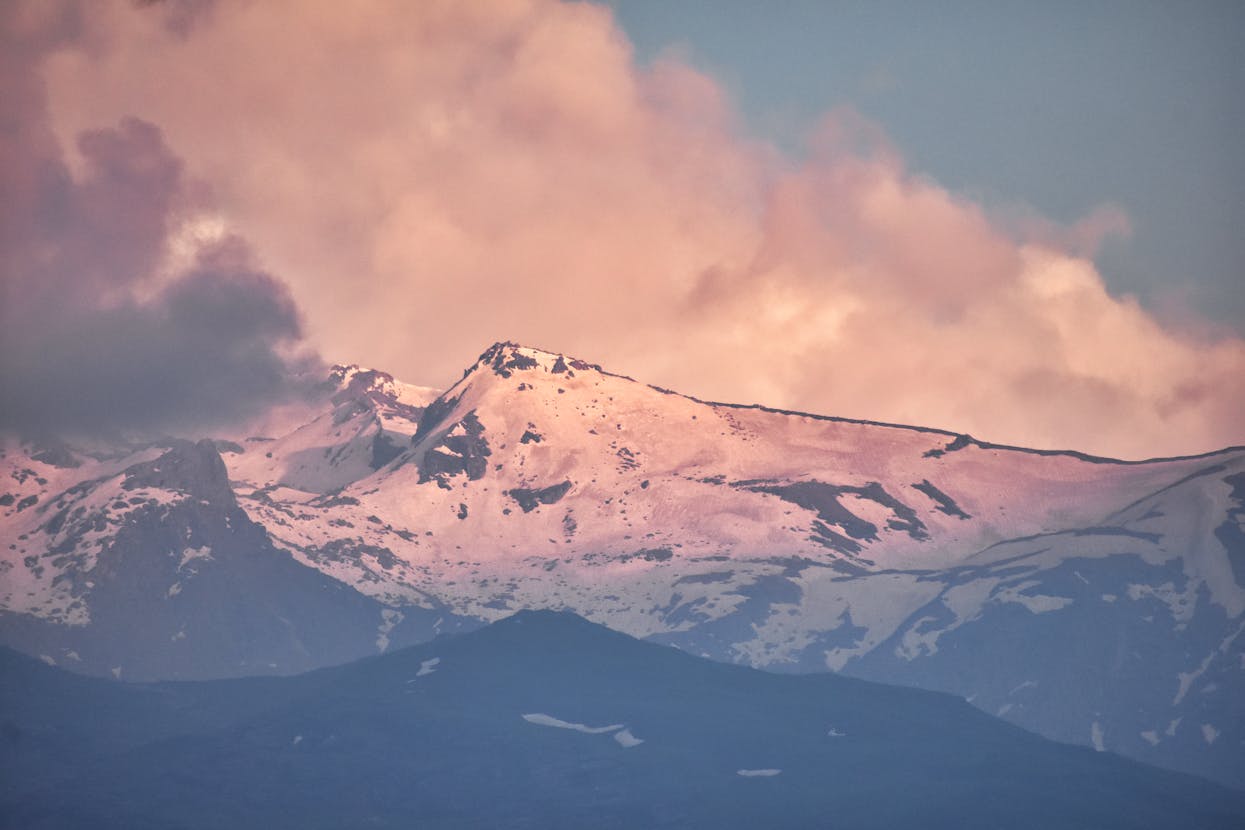
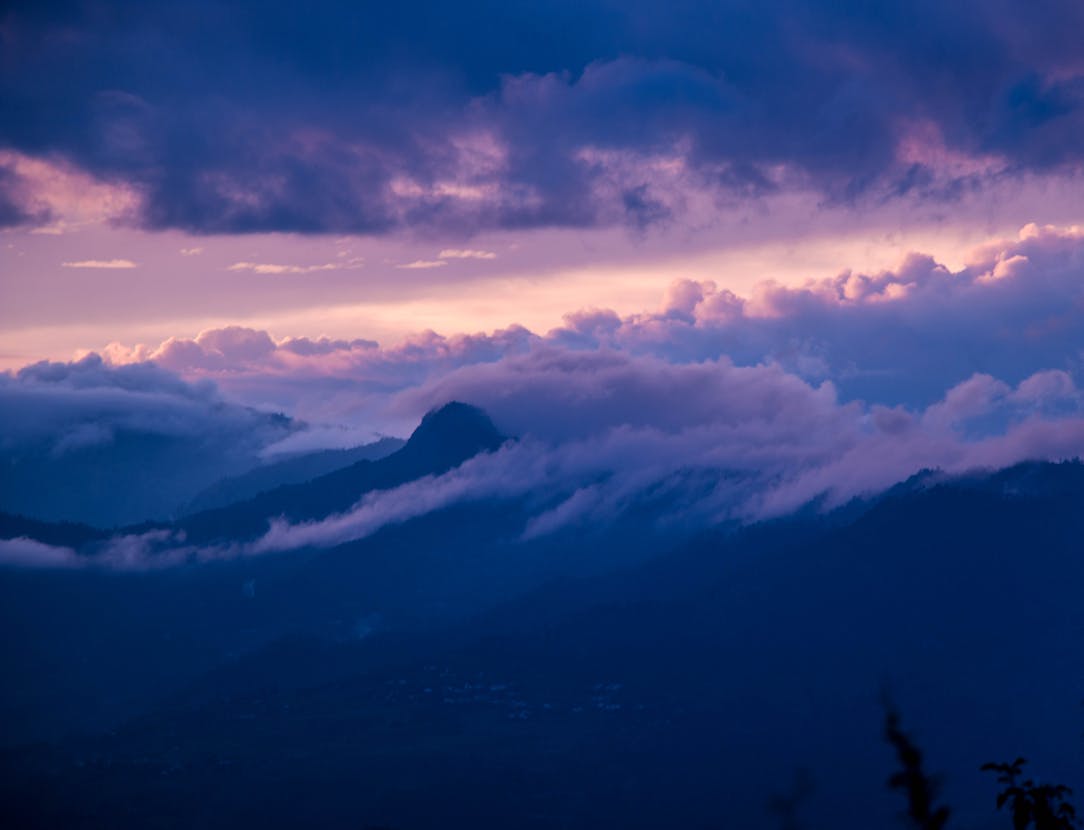
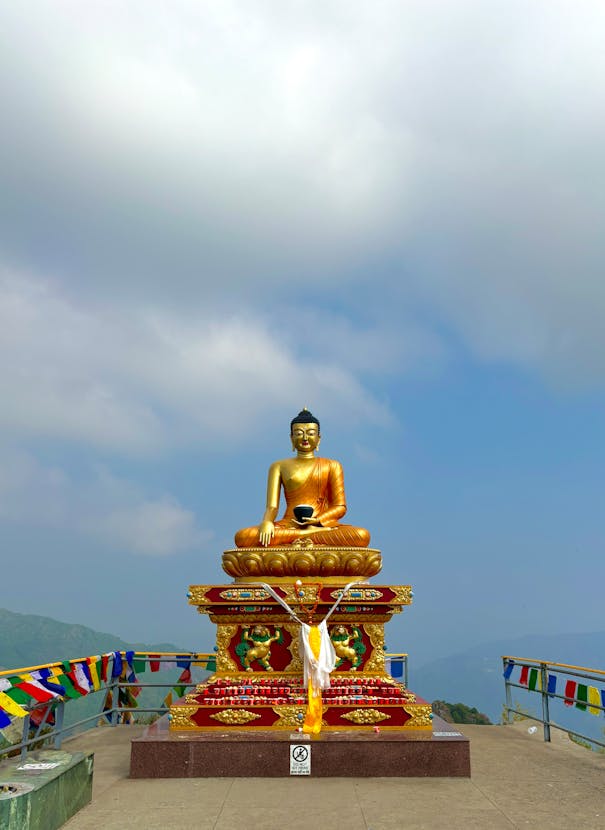
Namaste, spiritual seekers and nature enthusiasts! Tucked away in the serene Lohawati River valley of the Pithoragarh district, lies the charming and spiritually significant hill station of **Lohaghat**. This tranquil destination is a perfect blend of natural beauty and profound spiritual heritage, making it a beloved spot for devotees and peace-lovers alike. Legends abound here, connecting Lohaghat to ancient sages and mythological events. Surrounded by lush forests, gentle hills, and offering glimpses of the distant Himalayas, Lohaghat is a place where you can find solace, explore ancient temples, and simply rejuvenate your soul amidst clean, crisp mountain air. **Yahan ki shanti aapko moh legi!**
In 2025, if you're seeking a peaceful escape, a journey into spiritual depths, and a chance to experience the serene beauty of Kumaon, Lohaghat is your ideal destination. It's an invitation to unwind and connect with something deeper. Ready for a truly calming and beautiful experience?
Lohaghat: Legends, Temples & Valley Views!
- Spiritual Significance: Lohaghat is steeped in mythology and is believed to be the place where Lord Shiva consumed the `halahal` (poison) after the `Samudra Manthan`.
- Advaita Ashram (Mayawati Ashram): Located a short drive away, this famous ashram of the Ramakrishna Mission is a renowned spiritual center and a peaceful retreat, attracting spiritual aspirants from around the world.
- Shyamla Tal: A serene lake located near Lohaghat, known for its tranquil waters and the unique Vivekananda Ashram on its banks.
- Abbott Mount: A colonial-era hill station nearby, offering charming old bungalows, a church, and panoramic views, ideal for heritage walks.
- Ancient Temples: Lohaghat is home to several ancient temples, including the Shiva temple at Kranteshwar, adding to its spiritual aura.
- Peaceful Hill Station: Less commercialized than other popular hill stations, maintaining a calm and unhurried atmosphere, perfect for relaxation.
- Lohawati River: The beautiful Lohawati River flows through the valley, adding to its scenic charm.
Important Tips for Visiting Lohaghat (2025)
- How to Reach: Lohaghat is about 62 km from Pithoragarh and 60 km from Tanakpur (nearest railway station). It's well-connected by motorable roads. Buses and shared taxis are available.
- Best Time to Visit: March to June and September to November offer the most pleasant weather for sightseeing and exploration. Winters are cold but can be beautiful for those seeking snow. Avoid monsoon (July-August) due to heavy rainfall.
- Visit Mayawati Ashram: Spend some time at the serene Advaita Ashram (Mayawati Ashram) for its spiritual ambiance and beautiful library.
- Explore Shyamla Tal: Take a quiet boat ride or just relax by the tranquil Shyamla Tal.
- Abbott Mount: Consider a visit to Abbott Mount for its colonial charm and panoramic views.
- Accommodation: Lohaghat offers a range of hotels, guesthouses, and a few resorts. Booking in advance is advisable during peak season.
- Dress Appropriately: Modest attire is respectful when visiting temples and ashrams.
- Nature Walks: Enjoy leisurely walks through the surrounding forests and along the Lohawati River.
Lohaghat is a beautiful destination where spirituality meets serene natural beauty, offering a profound sense of peace and rejuvenation. It's a perfect retreat for those seeking solace and a deeper connection with themselves and nature. Go, and let its calm embrace you!
FAQs about Lohaghat
Q1: What is Lohaghat particularly known for?
A1: Lohaghat is known for its **spiritual significance, serene natural beauty**, and being home to the renowned **Advaita Ashram (Mayawati Ashram)**.
Q2: What is Shyamla Tal, and where is it located?
A2: **Shyamla Tal** is a serene lake near Lohaghat, famous for its tranquil waters and the **Vivekananda Ashram** located on its banks.
Q3: What kind of atmosphere can I expect in Lohaghat?
A3: Lohaghat offers a **peaceful, calm, and spiritually enriching atmosphere**, making it ideal for relaxation, contemplation, and a quiet escape from urban life.