Pilgrim's Palate: Common Local Dishes & Food Options on the Chardham Yatra Route
The Chardham Yatra (चारधाम यात्रा) is not just a journey of faith; it is also a physical challenge that demands sustained energy and nourishment. For pilgrims starting their journey from Haridwar and traversing the beautiful yet demanding Himalayan roads, understanding **what are the common local dishes and food options available on the Chardham Yatra route** is crucial. The food served typically adheres to a "Satvik" (सात्विक - pure, virtuous) principle, meaning it is vegetarian and often prepared without onion and garlic, suitable for spiritual consumption. During the current July monsoon season, an added emphasis on food safety becomes paramount.
Fueling Your Faith: The Importance of Food on the Yatra
Proper nourishment is essential for several reasons during the pilgrimage:
- Sustenance: Long hours of travel and trekking require continuous energy.
- Spiritual Purity: Much of the food aligns with the "Satvik Bhojan" tradition, believed to purify the mind and body.
- Hydration: Maintaining adequate fluid intake is critical, especially at high altitudes.
Common Food Options & Local Delicacies
1. Dhabas & Eateries (The Most Common Choice)
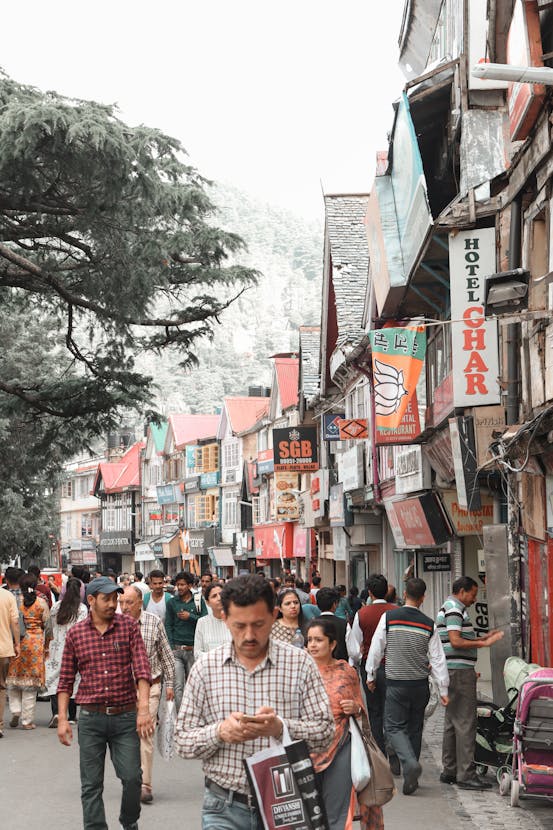
These small, often family-run roadside eateries are the most prevalent source of food along the entire Chardham route, from towns like Rudraprayag and Joshimath to the base camps of the Dhams.
- Food Type: They primarily serve simple, freshly cooked vegetarian Indian 'भोजन' (Bhojan - food). The focus is on affordability, quick service, and warm, comforting meals.
- Key Dishes You Will Find:
- Dal (lentils), Roti/Chapati (flatbread), Chawal (rice): This forms the staple meal combination, available everywhere.
- Sabzi (Vegetable Curry): Usually a simple preparation of seasonal mixed vegetables, potatoes, or paneer (Indian cottage cheese).
- Puri-Sabzi: Deep-fried bread served with a spiced potato curry. A popular breakfast item or quick meal.
- Parathas: Stuffed flatbreads like **Aloo Paratha** (potato), **Gobhi Paratha** (cauliflower), or **Paneer Paratha**, often served with pickle and curd (yogurt).
- Maggi Noodles: A ubiquitous and immensely popular option, especially in the colder, higher regions. It is quick, hot, and comforting.
- Tea (Chai) & Coffee: Always available at virtually every Dhaba, offering warmth and a quick energy boost.
- Limited Snacks: You might find biscuits and sometimes freshly made pakoras (fried fritters), though caution is advised with fried items during monsoon.
2. Temple & Ashram Kitchens (Bhandaras/Langars)
- Description: Many major temples, especially at the Dhams, and large ashrams (like those in Rishikesh and Haridwar) run community kitchens that offer free or highly subsidized meals (Bhandaras or Langars) to pilgrims.
- Food Type: The food is strictly vegetarian, often prepared without onion and garlic, adhering to the pure "Satvik" tradition. It is basic but wholesome and fulfilling.
- Experience: Eating at a Bhandara is a deeply spiritual experience, where pilgrims partake in consecrated food alongside fellow devotees, fostering a sense of community.
3. GMVN Restaurants
- Description: Restaurants are attached to the Garhwal Mandal Vikas Nigam (GMVN) guest houses located across the route.
- Food Type: They offer reliable, clean, and basic vegetarian Indian food. The quality and hygiene are generally more standardized and dependable than smaller, independent dhabas.
4. Specific Dham-Related Offerings
- Badrinath: Being the most commercially developed of the Dhams, Badrinath offers slightly more varied food options. Besides standard North Indian vegetarian fare, you might find a few establishments serving basic South Indian dishes (like Dosa, Idli) or Indianized versions of Chinese food.
- Kedarnath, Yamunotri, Gangotri: Due to their higher altitude and more remote nature, food options are simpler and more focused on providing warm, energy-giving meals. Expect mostly Maggi, Dal-Roti-Chawal, and basic snacks.
5. Local Garhwali Delicacies (Rarely Found on Pilgrim Route)
While the focus on the pilgrim route is on universally accepted vegetarian Indian food, Uttarakhand, particularly the Garhwal region, has its own unique cuisine. You might rarely find these at standard pilgrim eateries. If you wish to try authentic Garhwali food, you would need to venture into local villages or seek out specialized restaurants in larger towns like Haridwar or Rishikesh. Some of these dishes include:
- Kafuli: A thick, nutritious green curry made from spinach and fenugreek leaves.
- Phaanu: A delicious lentil preparation.
- Chainsoo: A preparation of black gram lentils.
- Aloo ke Gutke: Simple, spiced boiled potatoes, often served as a snack.
Food Safety Tips for Monsoon (July 2025)
The monsoon season brings increased risks of waterborne diseases. Adhering to strict food safety practices is critical:
- Prioritize Hot & Freshly Cooked Food: This is the golden rule. Always opt for food that has just been cooked and is served hot. Avoid anything that looks like it has been sitting out for a while.
- Avoid Raw Food: Strictly refrain from consuming raw salads, cut fruits, and chutneys sold by roadside vendors. The water used for washing or preparation might be contaminated.
- Stick to Boiled/Bottled Water: Never drink tap water. Ensure that any beverages you consume (like tea) are made with boiled 'पानी' (Pani - water).
- Choose Reputable Places: Opt for Dhabas or eateries that appear clean and have a good turnover of pilgrims, as this indicates fresh food.
- Carry Personal Snacks: Pack energy bars, dry fruits, biscuits, and glucose powder. These can be lifesavers during long travel delays or when food options are limited in remote areas.
- Be Cautious with Street Food: Generally, exercise extreme caution with any uncovered or unhygienic street food, particularly fried items or those prepared with doubtful water.
The **food on the Chardham Yatra route** is typically simple, wholesome, and nourishing, perfectly suited to sustain pilgrims on their journey. By prioritizing hygiene and making wise choices, especially during the monsoon, you can enjoy a healthy and spiritually fulfilling experience.
Your Questions Answered: FAQs About Chardham Food Options
- Q1: Is all food on the Chardham Yatra route strictly vegetarian?
A: **Yes, almost all food available directly on the Chardham Yatra route and in the vicinity of the temples is strictly vegetarian**, adhering to the "Satvik Bhojan" principle. Non-vegetarian food is generally not available, especially once you leave the major gateway cities like Haridwar or Rishikesh. - Q2: Is Maggi noodles available everywhere on the Chardham Yatra route, even at high altitudes?
A: **Yes, Maggi noodles are exceptionally popular and are available almost everywhere** on the Chardham Yatra route, including high-altitude areas and trekking paths. It's a quick, hot, and convenient option for many pilgrims. - Q3: What are the safest food options during the monsoon season on the Yatra?
A: During the monsoon, the safest food options are **hot, freshly cooked meals** like Dal-Roti-Chawal, freshly made Maggi, or hot Puri-Sabzi. Always ensure the food is served piping hot. **Strictly avoid raw salads, cut fruits, and any uncovered street food** due to high risk of contamination. - Q4: Can I find South Indian food or other cuisines on the Chardham route?
A: While the staple is North Indian vegetarian, **Badrinath** (being more developed) might offer some basic South Indian dishes like Dosa or Idli, and occasionally Indianized Chinese food. However, don't expect a wide variety of international cuisines; stick to local and traditional Indian fare. - Q5: Are there any specific local Garhwali dishes I should try if I find them?
A: If you are keen to experience local Garhwali cuisine, look for dishes like **Kafuli** (spinach/fenugreek curry), **Phaanu** (lentil dish), or **Aloo ke Gutke** (spiced potatoes). However, these are generally not widely available at typical pilgrim Dhabas and might require searching in more local eateries in larger towns like Haridwar or Rishikesh.