Kalpeshwar Temple: Chamoli's Year-Round Kedar & Tranquil Haven!
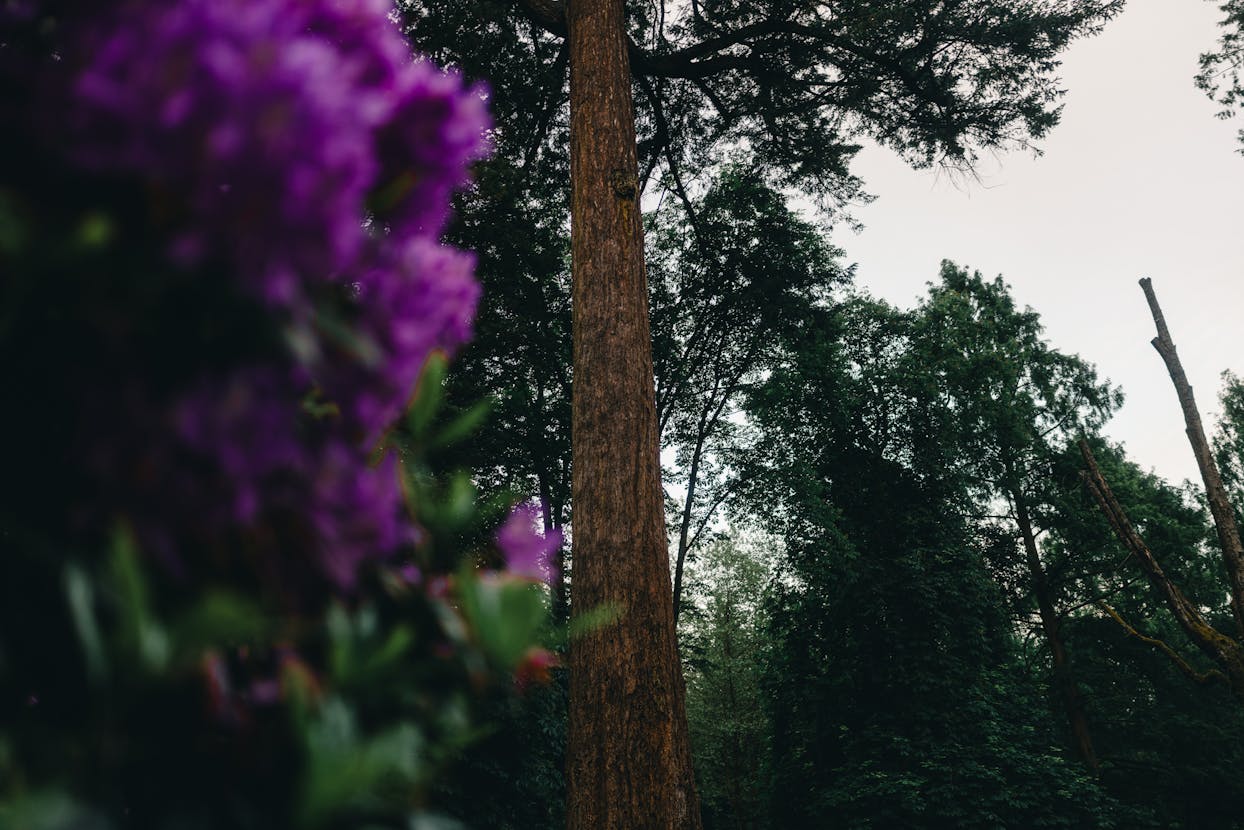
Har Har Mahadev, devoted pilgrims and tranquil travelers! Among the five revered Panch Kedar temples dedicated to Lord Shiva, Kalpeshwar Temple holds a special distinction: it is the only one that remains open throughout the year! Nestled in the picturesque Urgam Valley of the Chamoli district, this ancient shrine is where Lord Shiva's `Jata` (matted hair) is worshipped. The journey to Kalpeshwar is a refreshing and relatively easy trek through lush green landscapes, traditional villages, and alongside the serene Kalpganga River, making it accessible to a wider range of devotees and nature lovers.
In 2025, whenever you feel the call of the Himalayas, Kalpeshwar is ready to welcome you. Experience profound peace, seek divine blessings, and immerse yourself in the natural beauty of one of Chamoli's most charming and accessible spiritual sites. Ready for an evergreen darshan?
Kalpeshwar Temple: Shiva's Ever-Accessible Abode
- The Only Year-Round Kedar: Unlike the other four Panch Kedar temples (Kedarnath, Tungnath, Rudranath, Madhyamaheshwar) which close during winter due to heavy snow, Kalpeshwar remains open throughout the year.
- Worship of Shiva's Hair (Jata): At Kalpeshwar, Lord Shiva is worshipped in the form of his matted hair (`Jata`), which emerged from the earth.
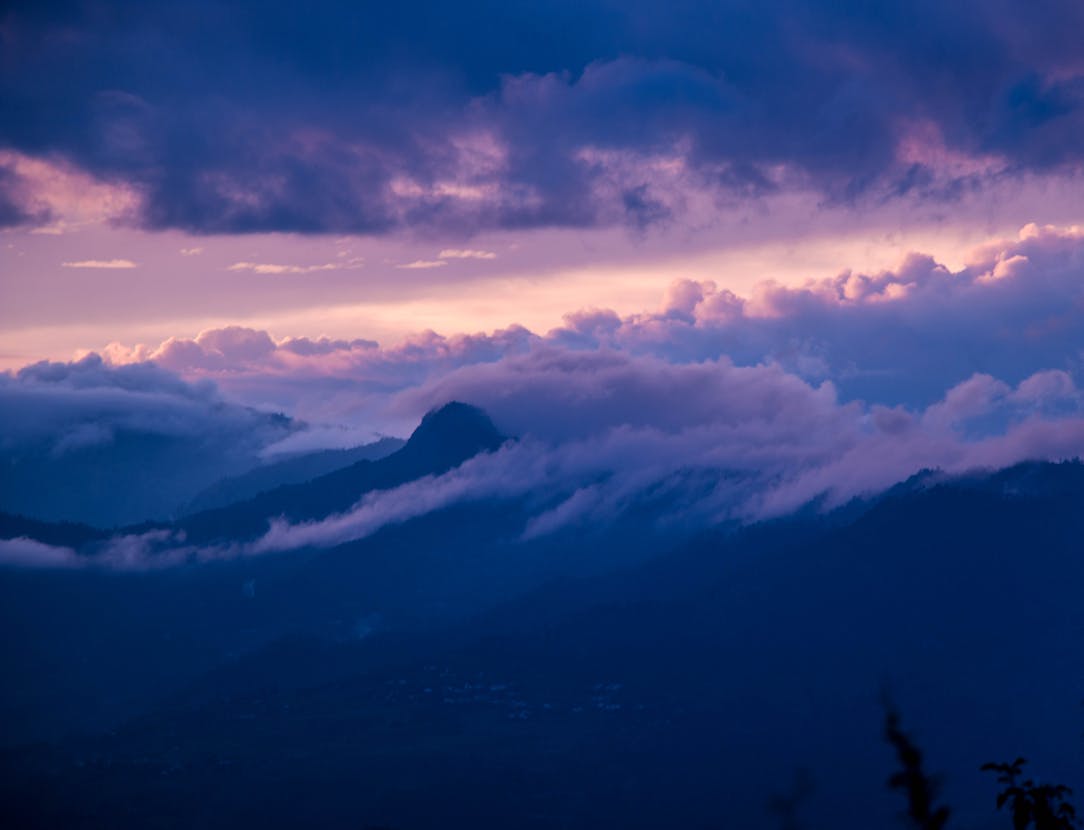
- Tranquil Urgam Valley: The temple is located in the beautiful and peaceful Urgam Valley, known for its apple orchards, terraced fields, and traditional Garhwali villages.
- Easy Trek: The trek from Urgam village to Kalpeshwar is short (about 1.5-2 km) and easy, making it suitable for all age groups and fitness levels.
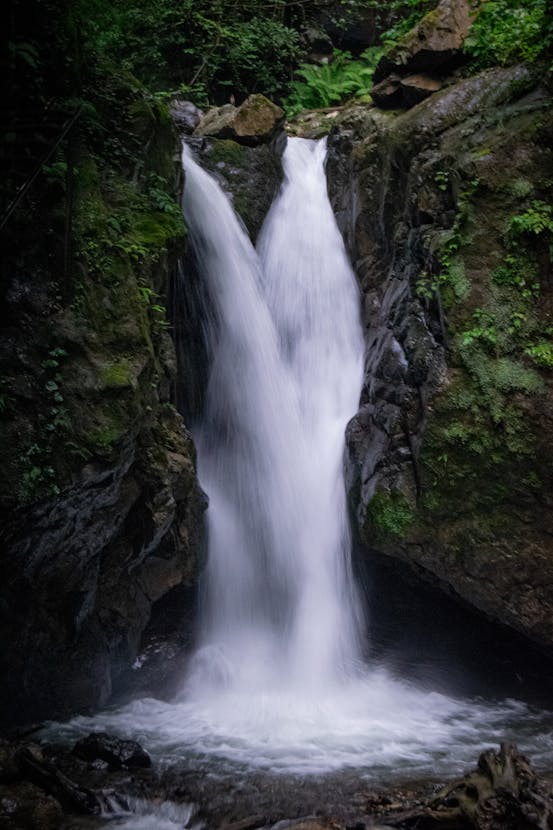
- Kalpganga River: The serene Kalpganga River flows through the valley, adding to the spiritual ambiance and natural beauty.
- Spiritual Significance: It completes the Panch Kedar circuit for many pilgrims and holds immense religious importance.
Important Tips for Visiting Kalpeshwar Temple (2025)
- How to Reach: To reach Kalpeshwar, first reach Helang (on the Badrinath highway, near Joshimath). From Helang, a motorable road leads to Urgam village (approx. 10 km). The temple is then a short trek of about 1.5-2 km from Urgam.
- Best Time to Visit: Since it's open year-round, you can visit anytime. April to June and September to November offer the most pleasant weather for trekking. Winters (Dec-Feb) provide a snowy, serene experience.
- Accommodation: Basic guesthouses and homestays are available in Urgam village.
- Carry Essentials: Carry comfortable walking shoes, a water bottle, and some snacks. Dress appropriately for a temple visit.
- Explore Urgam Valley: Take time to explore the beautiful Urgam Valley, its apple orchards, and nearby villages like Devgram.
- Respect Local Culture: Engage with the local villagers and priests respectfully.
- Photography: The valley offers beautiful photographic opportunities.
Kalpeshwar Temple is a testament to unwavering faith and a gateway to the serene beauty of Urgam Valley. It's a truly special place to find spiritual solace at any time of the year!
FAQs about Kalpeshwar Temple
Q1: What makes Kalpeshwar Temple unique among the Panch Kedar?
A1: Kalpeshwar is unique because it is the only Panch Kedar temple that remains open throughout the year, even during winter.
Q2: Which part of Lord Shiva is worshipped at Kalpeshwar?
A2: At Kalpeshwar Temple, Lord Shiva is worshipped in the form of his `Jata` (matted hair).
Q3: Where is Kalpeshwar Temple located?
A3: Kalpeshwar Temple is located in the scenic Urgam Valley in the Chamoli district of Uttarakhand.
Q4: How difficult is the trek to Kalpeshwar?
A4: The trek from Urgam village to Kalpeshwar is relatively easy, covering about 1.5-2 km, making it accessible to most visitors.
Q5: What is the best time to visit Kalpeshwar Temple?
A5: Since it's open year-round, you can visit anytime. April-June and September-November offer pleasant trekking conditions.
Q6: Can I find accommodation near Kalpeshwar Temple?
A6: Basic guesthouses and homestays are available in Urgam village, which is the base for the trek to Kalpeshwar.