How to Plan a Self-Guided Chardham Yatra Trip: Your Independent Pilgrimage Guide
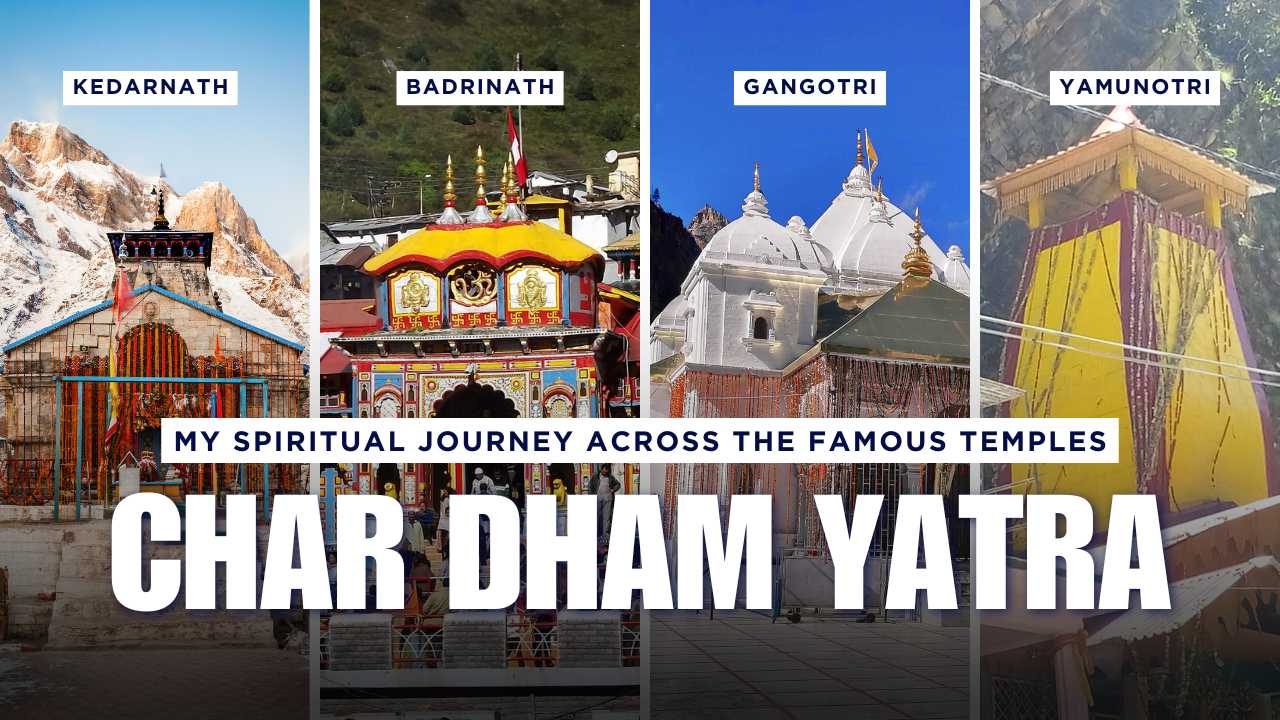
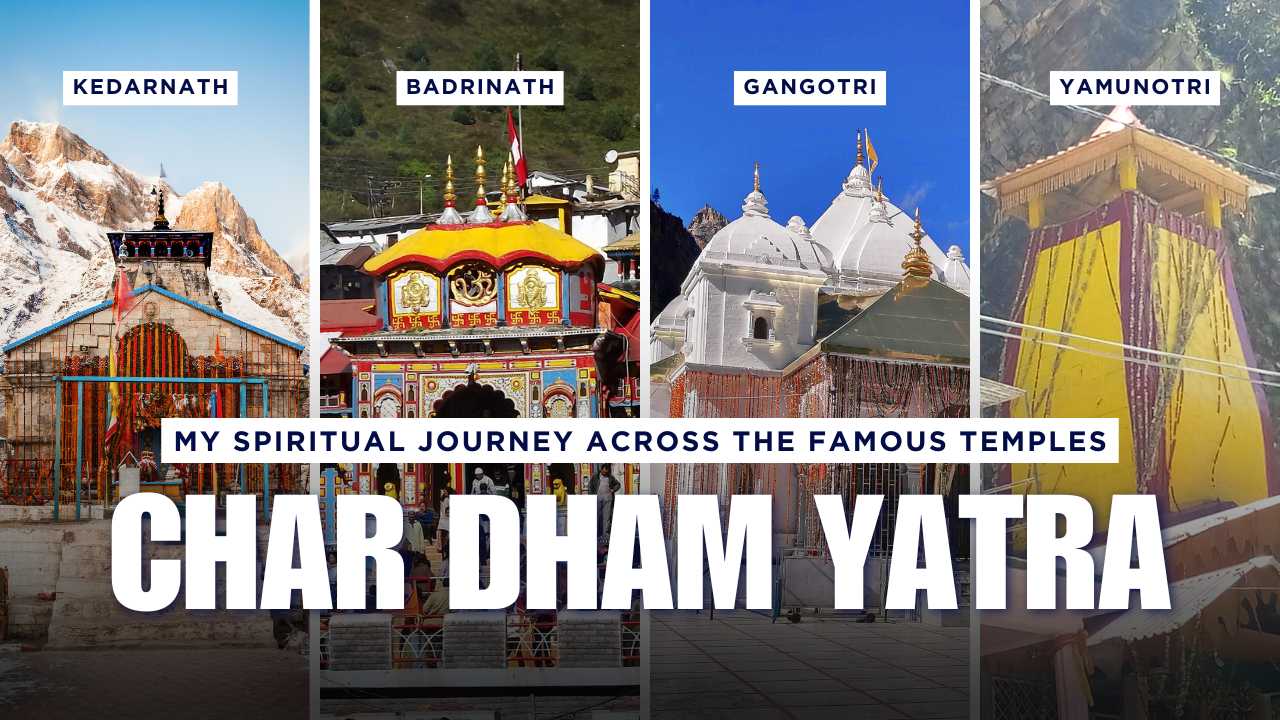
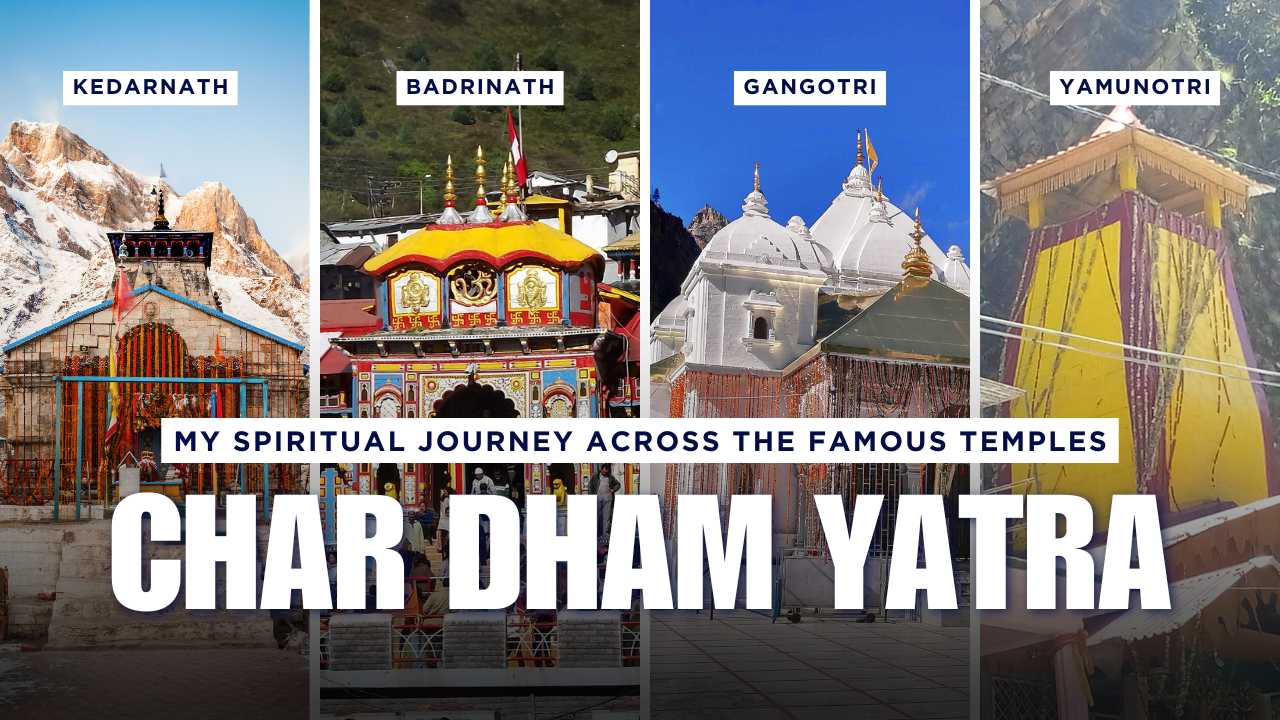
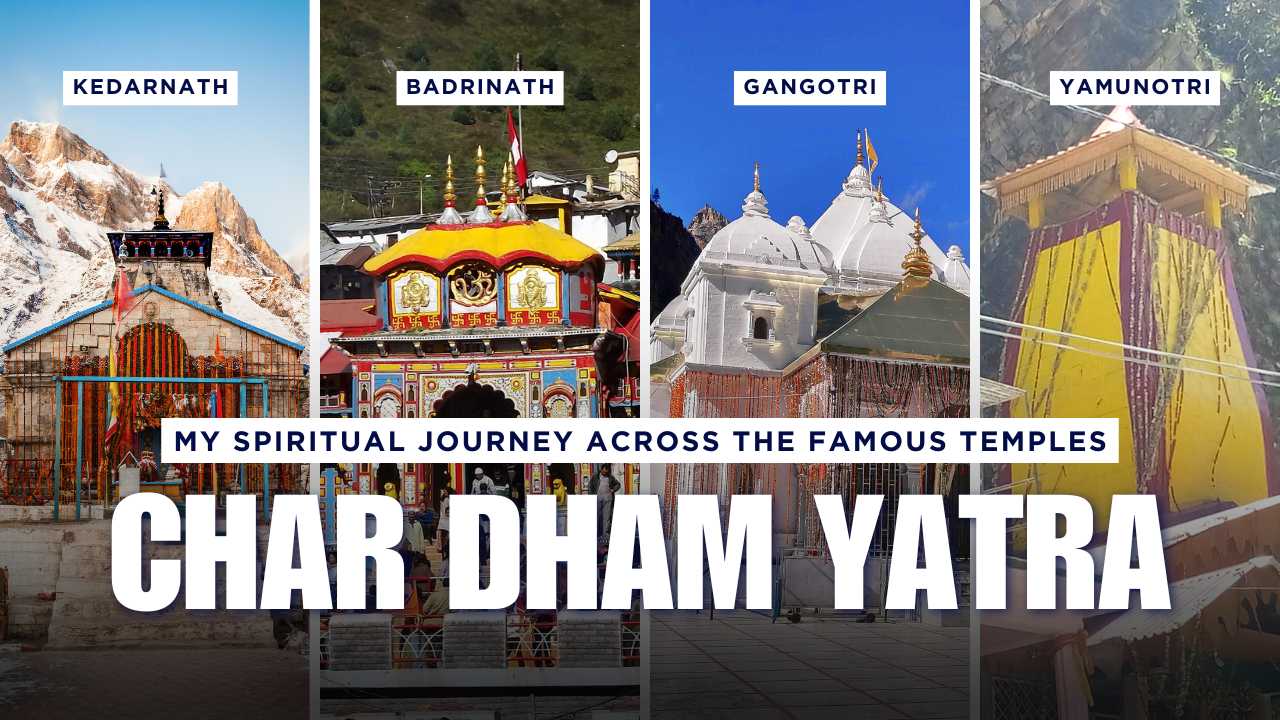
The Chardham Yatra (चारधाम यात्रा) is a deeply spiritual journey to the four revered shrines of Yamunotri, Gangotri, Kedarnath, and Badrinath in the Garhwal Himalayas. While many pilgrims opt for organized tour packages, planning a self-guided Chardham Yatra trip offers unparalleled flexibility, a chance to immerse yourself more deeply in the local culture, and often, a more budget-friendly approach. This guide provides a step-by-step "मार्गदर्शन" (Margdarshan - guidance) on how to meticulously plan your own independent pilgrimage, ensuring a smooth, safe, and spiritually enriching experience.
Why Choose a Self-Guided Chardham Yatra?
Opting for a "स्वतंत्र" (Swatantra - independent) Yatra comes with several advantages:
- Flexibility: You control your itinerary, pace, and the duration of your stay at each Dham.
- Cost-Effectiveness: Potentially lower expenses by choosing accommodations and transport that fit your budget.
- Authentic Experience: Greater opportunity to interact with locals, discover hidden gems, and experience the pilgrimage without a rigid schedule.
- Personal Pace: Crucial for acclimatization to high altitudes. You can take extra rest days if needed.
However, it also demands thorough research, meticulous "योजना" (Yojana - plan), and self-reliance.
Phase 1: Initial Research & Fundamental Preparations
1. Choose Your Travel Dates & Season:
The Chardham temples are open from late April/early May to late October/early November. Research the "मौसम" (Mausam - weather) conditions for your chosen month.
- May-June: Peak season, pleasant weather but crowded.
- July-August: Monsoon season, high risk of landslides and road closures; generally advisable to avoid.
- September-October: Post-monsoon, clear skies, fewer crowds than peak summer, but colder.
2. Understand Mandatory Registration:
Registration for Chardham Yatra is compulsory. This can be done online through the Uttarakhand Tourism Development Board portal, or offline at designated counters.
- When to Register: Registration typically opens a few months before the Yatra season begins (e.g., March for a May opening).
- Documents Needed: Keep your Aadhaar Card or other valid ID proof ready.
- e-Pass/Yatra Card: You will receive a QR-coded e-pass or Yatra registration card, which is checked at various checkpoints.
3. Assess Your Physical & Medical Readiness:
The Yatra, especially the Kedarnath trek, is physically demanding.
- Medical Check-up: Consult your doctor for a full check-up, particularly if you are a senior citizen or have pre-existing health conditions. Obtain a medical fitness certificate if required.
- Physical Training: Start a fitness regimen (brisk walking, jogging, stair climbing) 1-2 months prior to improve stamina and cardiovascular health.
- Altitude Sickness Awareness: Understand the symptoms of AMS and strategies for prevention (gradual ascent, hydration).
4. Budget Planning:
Create a realistic budget covering transportation, accommodation, food, pony/palki/helicopter services, unforeseen expenses, and emergency funds. Self-guided trips can be more economical but require careful tracking.
Phase 2: Crafting Your Itinerary – The "योजना" (Yojana) of Your Journey
1. Follow the Clockwise Route:
The traditional and recommended route is clockwise: Yamunotri, Gangotri, Kedarnath, and finally Badrinath. This is also advised for better acclimatization as altitudes gradually increase (mostly).
2. Determine Your Pace & Duration:
A comfortable self-guided Chardham Yatra typically takes 10-14 days, including travel to and from Haridwar/Rishikesh/Dehradun. Do not rush. Build in buffer days for:
- Acclimatization: Crucial for high-altitude adjustment. Plan overnight stays at intermediate altitudes (e.g., Barkot before Yamunotri, Guptkashi before Kedarnath).
- Weather Delays: Himalayan weather is unpredictable. Landslides, heavy rain, or snow can cause road closures.
- Darshan Time: Allow ample time at each temple for "दर्शन" (Darshan - holy viewing), rituals, and soaking in the atmosphere.
3. Sample Itinerary Outline (Adjustable):
- Day 1: Arrive Haridwar/Dehradun/Rishikesh. Overnight stay.
- Day 2: Haridwar/Rishikesh to Barkot (via Mussoorie/Dehradun). Overnight stay in Barkot (acclimatization stop).
- Day 3: Barkot to Janki Chatti. Trek/Pony/Palki to Yamunotri. Return to Barkot.
- Day 4: Barkot to Uttarkashi (acclimatization stop). Visit Kashi Vishwanath Temple.
- Day 5: Uttarkashi to Gangotri. Visit temple. Return to Uttarkashi or Harsil.
- Day 6: Uttarkashi to Guptkashi/Sitapur/Phata (base for Kedarnath). Overnight stay (crucial acclimatization).
- Day 7: Drive to Gaurikund. Trek/Pony/Palki/Helicopter to Kedarnath. Overnight stay at Kedarnath (basic).
- Day 8: Morning Darshan at Kedarnath. Trek/Pony/Helicopter back to Gaurikund/Sonprayag. Drive to Guptkashi/Sitapur.
- Day 9: Guptkashi/Sitapur to Badrinath (via Joshimath). Overnight stay in Badrinath.
- Day 10: Morning Darshan at Badrinath, visit Mana Village. Drive to Pipalkoti/Rudraprayag.
- Day 11: Pipalkoti/Rudraprayag to Haridwar/Rishikesh.
- Day 12: Depart from Haridwar/Rishikesh.
Phase 3: Logistics & Booking – The Practicalities
1. Transportation:
- Personal/Hired Car: The most flexible option for a self-guided tour. Ensure the driver is experienced with mountain roads. Get a "Green Card" for commercial vehicles.
- Buses/Shared Taxis: Most economical. Uttarakhand Roadways (UTC) operates buses. Shared taxis (Sumos) are common between towns. This requires more time and patience.
- Train/Flight: Reaching Haridwar, Rishikesh, or Dehradun.
- Helicopter Services: Available for Kedarnath and Badrinath. Book well in advance from official sites. This saves time but adds significantly to the cost.
2. Accommodation:
Book your stays well in advance, especially for peak season and at the Dhams themselves (Kedarnath, Badrinath, Gangotri, Yamunotri).
- GMVN Guest Houses: Operated by the government, generally reliable and bookable online.
- Private Hotels/Guesthouses: Range from budget to mid-range. Use reputable online travel agencies or direct booking.
- Dharamshalas/Ashrams: Budget-friendly, often very basic, and may operate on a first-come, first-served basis.
3. Meals:
Most accommodations offer food. Along the route, you’ll find small eateries (dhabas) serving simple, vegetarian, local cuisine.
- Keep it Light: Opt for easily digestible food.
- Stay Hydrated: Always carry water.
- Snacks: Carry energy bars, dry fruits for quick boosts during travel or treks.
Phase 4: On-Ground Execution & "सुरक्षा" (Suraksha - Safety)
1. Carry Essentials:
- Packing List: Refer to a detailed packing list (like the one we discussed earlier) for appropriate clothing, medicines, toiletries.
- Documents: Keep multiple copies (physical and digital) of your ID, registration e-pass, and medical certificate.
- Cash: Have sufficient cash, especially in smaller denominations, as ATMs can be scarce or out of service in remote areas.
2. Stay Connected:
Mobile network coverage can be patchy. BSNL and Jio often have better coverage in remote areas. Inform family/friends about your itinerary and check in regularly.
3. Navigate Wisely:
Use offline maps (Google Maps allows downloading areas) and local knowledge. Ask locals for directions or road conditions. Locals are often the best "मार्गदर्शन" (Margdarshan).
4. Prioritize Acclimatization:
Do not rush. If you feel any symptoms of altitude sickness (headache, nausea, dizziness), rest immediately or descend to a lower altitude. Inform your travel companions.
5. Emergency Preparedness:
- Emergency Contacts: Save local emergency numbers (police, medical) and your emergency contact persons.
- First-Aid Kit: A well-stocked personal first-aid kit is essential.
Planning a "स्वतंत्र" (Swatantra) Chardham Yatra is a rewarding experience that allows for deep personal connection with the journey and the natural beauty of "प्रकृति" (Prakriti - nature). While it requires diligent "योजना" (Yojana) and preparedness, the sense of accomplishment and spiritual fulfillment is unparalleled. May your independent pilgrimage be blessed and memorable!