Health is Wealth for Your Yatra: Essential Precautions for Chardham Amidst High Altitude & Monsoon
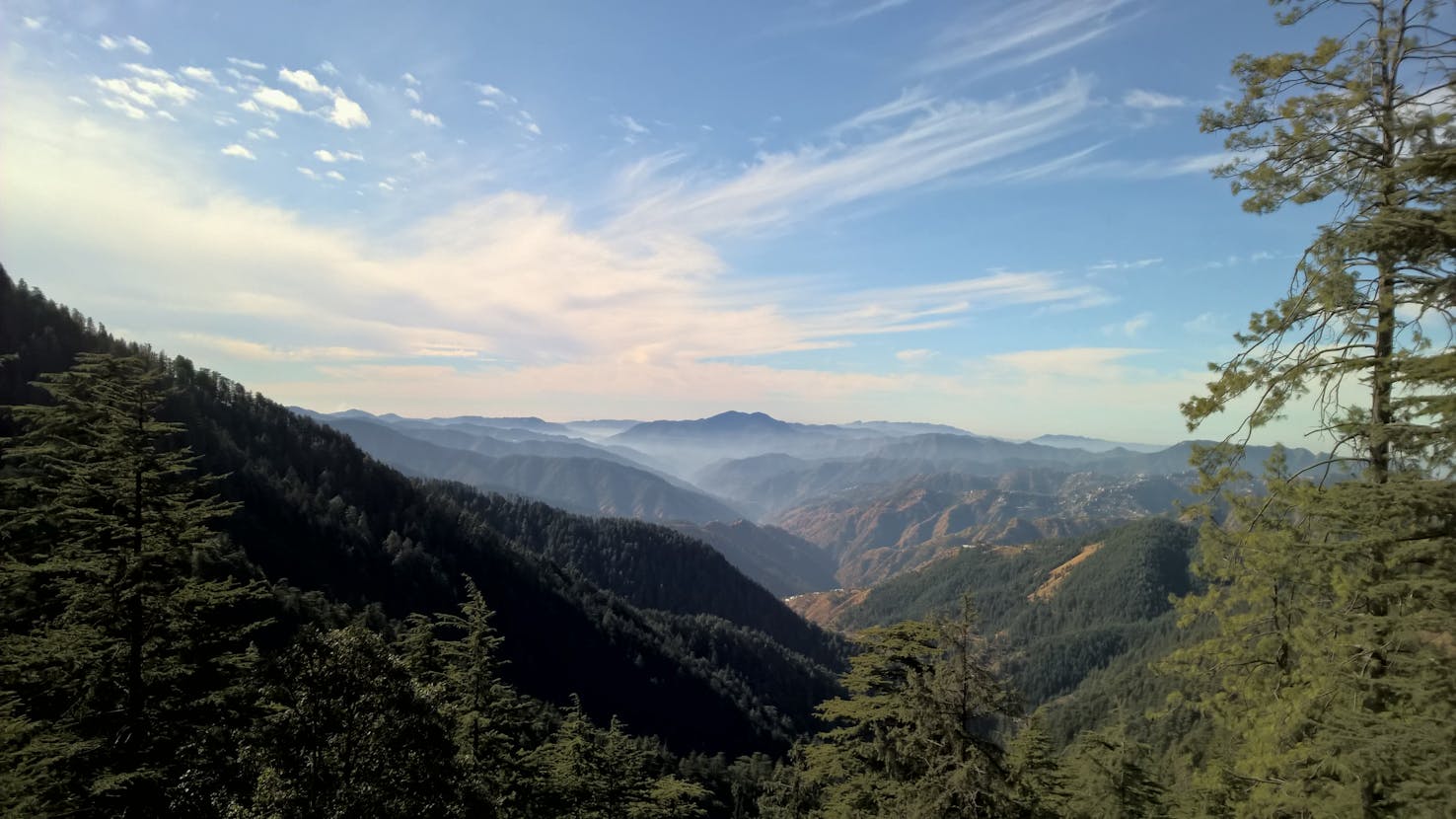
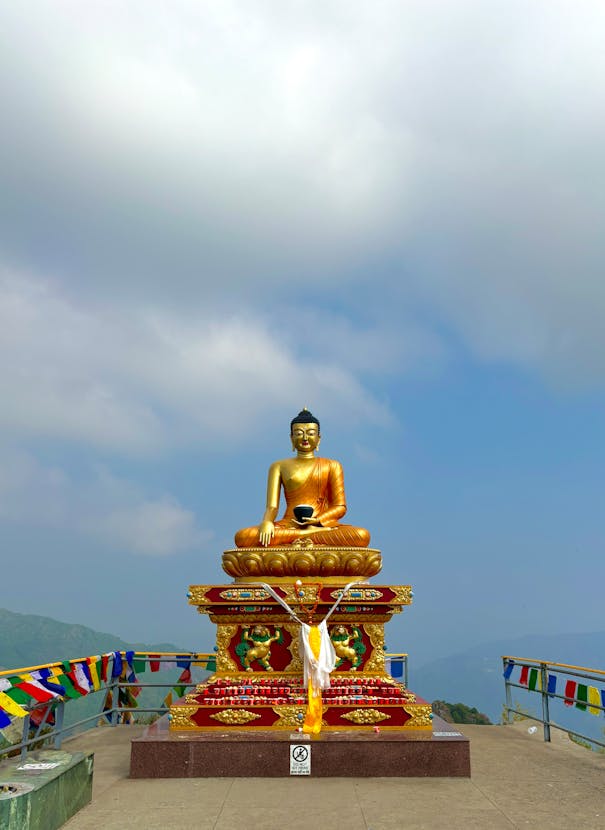
The Chardham Yatra (चारधाम यात्रा) is a journey of immense spiritual significance, a sacred calling to the divine abodes in the Himalayas. While unwavering faith is the cornerstone of this pilgrimage, a healthy body is its indispensable foundation. Pilgrims embarking on this journey, especially now in the July monsoon season and from a lower altitude city like Haridwar, face a dual challenge: the **high altitudes** of the Himalayan region and the specific risks posed by the **monsoon weather**. Taking diligent **health precautions** is not just advisable; it is paramount for a safe, comfortable, and truly blessed 'यात्रा' (Yatra).
The Dual Challenge: High Altitude & Monsoon on Your Health
- High Altitude (Acute Mountain Sickness - AMS): As you ascend to higher elevations (like those of Kedarnath and Badrinath), the air pressure drops, and the amount of oxygen available per breath decreases. This can lead to AMS, with symptoms including headache, nausea, dizziness, fatigue, and breathlessness. While AMS can affect anyone, senior citizens and those with pre-existing health conditions are particularly vulnerable.
- Monsoon Weather (July 2025): The current monsoon season brings its own set of health risks. Continuous rainfall, dampness, and cold temperatures increase the risk of:
- Colds, coughs, and flu.
- Waterborne diseases (typhoid, cholera, dysentery) due to contaminated water sources.
- Skin infections from prolonged dampness.
- Hypothermia if clothes remain wet and body temperature drops.
- Injuries from slips and falls on muddy, slippery paths.
Essential Health Precautions: A Comprehensive Guide
1. Prior Medical Check-up & Doctor Consultation
- This is **non-negotiable** for every pilgrim, especially senior citizens, individuals with chronic conditions (heart disease, high blood pressure, diabetes, asthma, lung ailments), or those on regular medication.
- Obtain a **"fit-to-travel" certificate** from your doctor specifically for high-altitude travel.
- Discuss your Yatra itinerary and potential AMS medication (like Diamox) and other preventive medicines with your physician. Get all necessary prescriptions.
2. Gradual Acclimatization is Key
- Slow Ascent: Do not rush your journey to higher altitudes. Spend at least one full day at intermediate altitudes (e.g., Haridwar, then Rishikesh, and then towns like Rudraprayag or Guptkashi/Joshimath) to allow your body to adjust to the decreasing oxygen levels.
- Ample Rest: Take frequent breaks during travel and trekking. Do not overexert yourself. Ensure you get adequate sleep each night.
- Listen to Your Body: This is the most crucial advice. Any unusual symptom – a persistent headache, nausea, dizziness, or unusual breathlessness – should be taken seriously. Rest immediately, and if symptoms persist or worsen, descend to a lower altitude without delay and seek medical 'सहायता' (Sahayata - help).
3. Hydration & Mindful Diet
- Hydrate Continuously: Drink plenty of bottled or boiled 'पानी' (Pani - water) frequently, even if you do not feel thirsty. Dehydration can exacerbate AMS and other health issues. Carry Oral Rehydration Salts (ORS) and use them regularly.
- Eat Wisely: Consume only hot, freshly cooked, light, and easily digestible 'सात्विक भोजन' (Sattvic Bhojan - pure vegetarian food). Avoid raw salads, cut fruits, and street food vendors, especially during the monsoon, as these carry a higher risk of contamination.
- Avoid: Strictly avoid alcohol, smoking, and heavy, oily, or fried foods, as these can worsen AMS symptoms and strain your digestive system.
4. Personal Medical Kit (Your 'स्वास्थ्य साथी' - Health Companion)
- Mandatory Prescribed Medications: Carry enough supply of all your regular medicines for chronic conditions, along with copies of your prescriptions.
- AMS Medications: As advised by your doctor (e.g., Diamox).
- Common Ailments: Pack painkillers, antacids, anti-diarrhea medication (e.g., Loperamide), cold/flu medication, antiseptic solution, cotton, bandages, band-aids, and blister plasters.
- Portable Oxygen Cylinder: Highly recommended for senior citizens, individuals with respiratory issues, or those experiencing early AMS symptoms.
5. Dress in Layers & Stay Dry (Monsoon Specific)
- Waterproof Outerwear: Essential rain gear includes a good quality, breathable waterproof rain jacket and waterproof pants. A sturdy backpack cover is also crucial.
- Moisture-Wicking Base Layers: Wear synthetic or Merino wool base layers that wick moisture away from your skin. **Avoid cotton**, as it absorbs water and stays wet, leading to chilling.
- Warm Mid-Layers: Pack fleece jackets or wool sweaters for insulation, allowing you to adjust to temperature changes.
- Waterproof Footwear & Socks: Invest in waterproof trekking shoes with excellent grip. Carry multiple pairs of wool or synthetic socks, changing them frequently to keep your feet dry and prevent blisters and fungal infections.
- Change Wet Clothes Immediately: If your clothes get wet, change into dry ones as soon as possible to prevent chilling and hypothermia.
6. Maintain Strict Hygiene
- Hand Hygiene: Wash your hands frequently with soap and water, or use an alcohol-based hand sanitizer, especially before eating and after using the toilet.
- Water Safety: Always consume sealed bottled water or water that you have boiled yourself. Never drink tap water or untreated water from streams.
- Food Safety: Adhere to the advice of eating only hot, freshly cooked meals.
7. Physical Fitness
- While a trekker's fitness is not required for all parts of the Yatra, a basic level of physical fitness greatly aids in coping with the altitude and walking. Start a light exercise regimen (daily walks, gentle yoga, mild cardio) a few weeks or months before your trip.
8. Protect from Sun & Cold
- Even in monsoon, the high-altitude sun can be intense. Use high SPF sunscreen and lip balm.
- Carry warm headwear, gloves, and ear coverings, as temperatures can drop significantly, especially in the evenings and at higher altitudes.
9. Sleep Adequately
- Ensure you get 7-8 hours of sound sleep each night. Proper rest aids in acclimatization and overall recovery, preparing your body for the next day's journey.
Your **Chardham Yatra** is a sacred endeavor, and prioritizing your **health and safety** is an act of self-care and devotion. By taking these comprehensive **health precautions**, especially considering the unique challenges of high altitude and the current monsoon 'मौसम' (Mausam), you prepare yourself for a comfortable, healthy, and truly blessed pilgrimage. A healthy body empowers your devout heart to fully embrace the divine experience.
Your Questions Answered: FAQs About Chardham Health Precautions
- Q1: What are the most common health issues pilgrims face during the Chardham Yatra?
A: The most common health issues include **Acute Mountain Sickness (AMS)** symptoms (headache, nausea, breathlessness), **stomach upset/diarrhea** (due to water or food contamination), **colds/flu**, and **blisters/foot injuries** from trekking. These are often exacerbated by the high altitude and monsoon conditions. - Q2: Is it mandatory to get a medical check-up before the Chardham Yatra?
A: While not legally mandatory for all age groups, a **medical check-up is highly recommended and crucial, especially for senior citizens** and anyone with pre-existing health conditions. It is advisable to obtain a "fit-to-travel" certificate from your doctor for high-altitude travel. - Q3: How can I prevent waterborne diseases during the monsoon Chardham Yatra?
A: To prevent waterborne diseases during monsoon, **always drink only sealed bottled water or water that has been thoroughly boiled**. Avoid tap water, untreated stream water, and ice from unknown sources. Also, practice strict hand hygiene (wash hands or use sanitizer) before eating. - Q4: What should I do if I experience symptoms of Acute Mountain Sickness (AMS) during the Yatra?
A: If you experience AMS symptoms (headache, dizziness, nausea, breathlessness), **stop immediately and rest**. If symptoms are mild, take prescribed AMS medication (if any) and continue to hydrate. If symptoms persist or worsen (e.g., severe headache, persistent vomiting, extreme fatigue, difficulty walking), **descend to a lower altitude immediately** and seek medical help. Do not ignore symptoms. - Q5: What kind of physical fitness is required for the Chardham Yatra?
A: While extreme athleticism is not required for all parts (especially if using ponies/palkis), a **basic level of cardiovascular fitness is highly beneficial**. Regular walking, jogging, or light exercises for a few weeks/months before the Yatra can significantly help your body cope with the demands of altitude, uneven terrain, and long hours of travel. Focus on stamina and leg strength.