A Pilgrim's Plate: Common Food Options & Restaurants on the Chardham Yatra Route
The Chardham Yatra (चारधाम यात्रा) is an arduous yet spiritually fulfilling journey through the majestic Himalayas. While the focus is primarily on spiritual enlightenment, sustaining your body with proper nourishment is equally crucial for completing the pilgrimage successfully. As you embark on this divine expedition, perhaps starting from the vibrant city of Haridwar, understanding the common food options and types of restaurants available along the route becomes essential. Especially during the current July monsoon season, food safety and hygiene take on paramount importance.
The Pilgrim's Plate: Understanding Food on the Yatra
The culinary landscape along the Chardham route is largely dictated by the pilgrimage's spiritual sanctity and the logistical challenges of the mountainous terrain. Expect simple, wholesome meals over elaborate fine dining. The predominant food philosophy here is 'सात्विक भोजन' (Sattvic Bhojan), which refers to pure, vegetarian food prepared without onion or garlic, aligning with the spiritual ethos. This type of food is believed to promote purity of mind and body, providing necessary energy for the demanding treks and travels.
Common Food Options Available
Your dietary staples on the Chardham Yatra will be hearty and comforting:
- Dal-Chawal-Roti-Sabzi (Lentils-Rice-Bread-Vegetables): This is the most common and widely available meal. Simple, nutritious, and easily digestible, it forms the backbone of almost every 'भोजन' (Bhojan - meal) on the route.
- Khichdi: A soothing and highly digestible one-pot meal made from rice and lentils, often seasoned lightly. It is perfect for chilly weather and sensitive stomachs.
- Puri-Sabzi: Deep-fried Indian bread served with a potato or mixed vegetable curry. This is a popular breakfast or quick meal option, found almost everywhere.
- Maggi Noodles: The ubiquitous instant noodles are a universal comfort food, especially in cold weather and at higher altitudes. You will find small stalls serving Maggi at almost every stop.
- Parathas: Stuffed Indian flatbreads, often with potato (Aloo Paratha) or cottage cheese (Paneer Paratha), served with pickle and curd (yogurt).
- Tea (Chai) & Coffee: Hot 'चाय' (Chai) is readily available everywhere and is a constant companion for pilgrims, providing warmth and a quick energy boost. Coffee is less common but can be found in larger towns.
- Biscuits, Packaged Snacks: Various brands of biscuits, namkeens (savory snacks), and other packaged munchies are available at small shops along the route.
- Fruits: Fresh fruits are limited in variety and availability, especially in higher, remote areas due to transportation challenges. If available, prioritize easily peelable fruits like bananas or apples.
- Simple Sweets: You might find basic Indian sweets like Jalebi, Gulab Jamun, or Laddoo in larger towns.
Types of Restaurants/Eateries
The dining experiences along the route range from very basic to moderately comfortable:
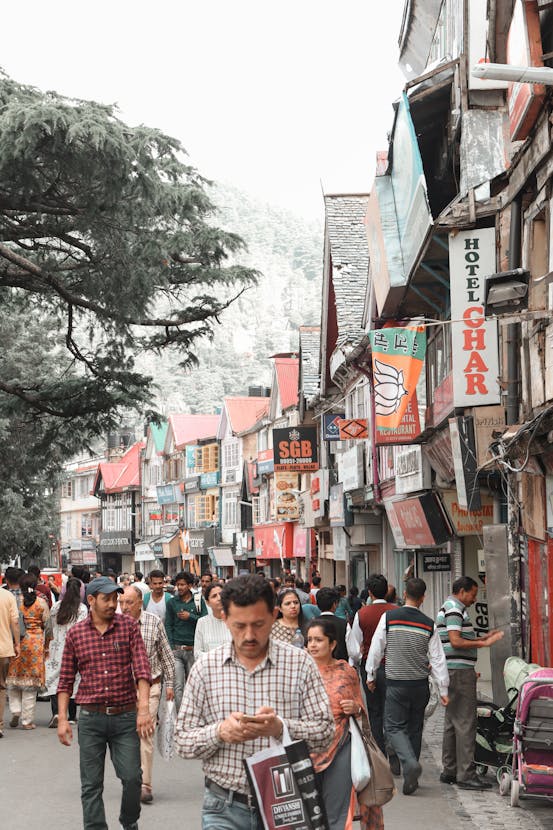
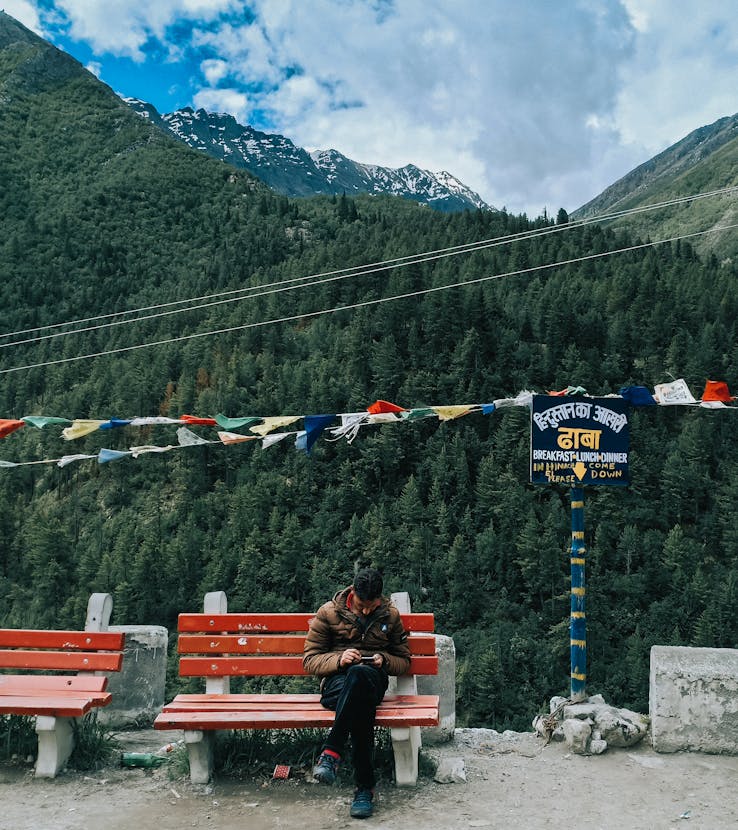
- Dhabas: These are the most common type of eatery. Roadside shacks or small, informal restaurants, Dhabas offer simple, hot, and freshly prepared meals. They are usually family-run, and while the ambiance is basic, the food is often wholesome and prepared with local flavors. Always observe the cleanliness before ordering.
- Small Restaurants/Bhojanalayas: Found in larger towns such as Haridwar, Rishikesh, Rudraprayag, Joshimath, and Badrinath. These are more organized than Dhabas, offering a slightly wider variety of dishes and sometimes a more comfortable seating area.
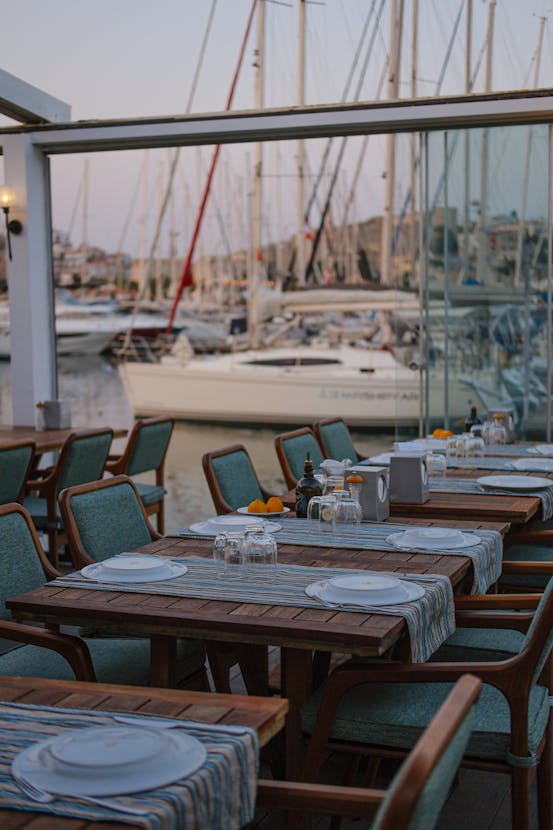
- Hotel Restaurants: If you are staying in a mid-range or premium hotel, they will likely have their own in-house dining facilities. These are generally considered the safest options in terms of hygiene and often cater to specific dietary needs if communicated in advance.
- Langars/Bhandaras: These are community kitchens run by various charitable organizations, especially during the peak Yatra season. They offer free, wholesome food to pilgrims, embodying the spirit of selfless service. Eating at a 'भंडारा' (Bhandara - community kitchen) is considered a truly 'प्रसादी' (Prasadi - blessed food) experience.
Food at the Dhams (Specifics)
- Yamunotri & Gangotri: Options are quite limited. Expect mostly basic Dhabas and small eateries near the temples or base camps. The focus will be on staple foods like 'दाल-चावल' (Dal-Chawal - lentil-rice) and simple curries.
- Kedarnath: Post-reconstruction, the options in Kedarnath town and at the base camp (Sonprayag/Gaurikund) have improved. You will find basic restaurants and Dhabas serving simple, hot vegetarian food.
- Badrinath: This is the most developed of the four Dhams and offers a relatively wider range of dining options. From simple Dhabas to more organized restaurants, you might find some South Indian specialties (like dosas, idlis) alongside typical North Indian fare.
Food Hygiene & Safety Tips (Crucial for Monsoon)
Maintaining proper 'स्वच्छता' (Swachhta - hygiene) and making wise food choices are critical for a healthy pilgrimage, especially during the monsoon:
- Eat Hot, Freshly Cooked Food: Always prioritize food that is cooked and served hot in front of you. This minimizes the risk of contamination. Avoid cold or pre-cut items, as they are more susceptible to bacterial growth.
- Drink Bottled or Boiled Water: This is an absolute essential. Never drink tap water or water from unknown sources. Always opt for sealed bottled water or water that has been properly boiled and filtered.
- Carry Dry Snacks: Pack your own supply of energy bars, nuts, dry fruits, and biscuits. These come in handy during long travel stretches or if suitable food options are not readily available.
- Avoid Raw Salads and Cut Fruits: The risk of waterborne diseases is higher during monsoon. Raw salads and pre-cut fruits exposed to the elements can be major sources of contamination. Stick to cooked vegetables and whole fruits that you peel yourself.
- Observe Cleanliness: Before choosing an eatery, take a moment to observe its overall cleanliness, including the cooking area, utensils, and staff hygiene.
- Carry ORS (Oral Rehydration Salts): Diarrhea or dehydration can be a serious concern. Always have ORS sachets handy to quickly replenish electrolytes.
- Basic Medications: Carry a small personal medical kit with basic medicines for stomach upset, indigestion, and general discomfort.
Monsoon Season Food Considerations (July 2025)
The current monsoon season adds an extra layer of caution to food choices:
- Increased Risk of Illness: Higher humidity and potential waterlogging increase the risk of food and waterborne diseases. Be extra vigilant about hygiene.
- Disrupted Supply Chains: Landslides and heavy rains can disrupt transportation, leading to limited availability of fresh produce in remote areas.
- Preference for Cooked Meals: Stick to piping hot, cooked meals. Avoid anything that looks like it has been sitting out for a while.
While the food on the Chardham Yatra is generally simple, it is nourishing and cooked with devotion. By being mindful of hygiene and making smart choices, you can ensure that your culinary journey complements your spiritual quest, contributing to a truly fulfilling 'यात्रा' (Yatra).
Your Questions Answered: FAQs About Chardham Yatra Food
- Q1: Is non-vegetarian food available on the Chardham Yatra route?
A: **No, the entire Chardham Yatra route is strictly vegetarian**. All food options and restaurants adhere to the 'सात्विक भोजन' (Sattvic Bhojan) principle, meaning no meat, fish, eggs, or even onion and garlic are typically used in preparations, aligning with the sacred nature of the pilgrimage. - Q2: Are there options for South Indian food on the Chardham Yatra route?
A: While the predominant cuisine is North Indian/Garhwali, you might find **some South Indian options (like Idli, Dosa, Vada)** in larger towns like Haridwar, Rishikesh, and possibly in Badrinath, which is more developed. These are less common in the more remote areas or at the other Dhams. - Q3: Is it safe to eat at roadside Dhabas during the monsoon season?
A: It can be safe, but you must exercise caution. During the monsoon, the risk of foodborne illnesses increases. Always **prefer Dhabas that appear busy and clean**. Ensure the food is **cooked fresh and served piping hot**. Avoid anything that looks pre-prepared or has been sitting exposed. Prioritize hot beverages and bottled water. - Q4: Should I carry my own food supplies for the Chardham Yatra?
A: It is highly recommended to carry **some dry, non-perishable snacks** like energy bars, nuts, dried fruits, biscuits, and glucose. These are excellent for quick energy boosts during treks, or in situations where fresh food options are scarce, especially along trekking routes like Kedarnath or during travel delays. - Q5: What is 'Langars' or 'Bhandaras' and are they safe to eat at?
A: 'Langars' or 'Bhandaras' are **community kitchens run by charitable organizations** that offer free, wholesome meals to pilgrims. They are very common, especially during peak season. They are generally safe as the food is cooked in large quantities, often with devotion, and served fresh. It is considered a blessed experience to partake in them.