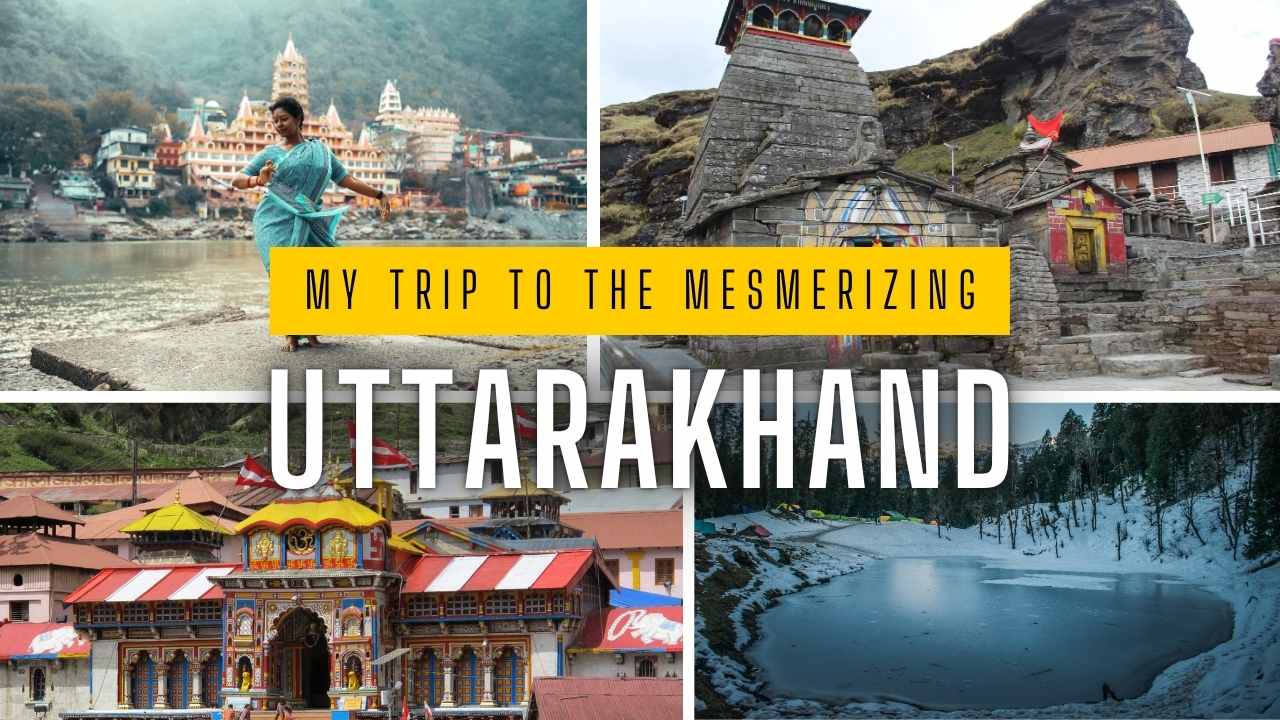
Is Food Easily Available on the Trek Routes of Chardham Yatra?
Short answer: Yes, basic food is generally available on most Char Dham trek routes, but availability varies by location, season, and time of day. This long guide explains what to expect in Yamunotri, Gangotri, Kedarnath and Badrinath legs, how to plan for special dietary needs, and practical tips for safe and comfortable eating during your Char Dham Yatra 2026.

Overview: Food on Himalayan pilgrimage routes
The Char Dham Yatra combines road travel and high-altitude trekking. Each Dham has a different infrastructure profile:
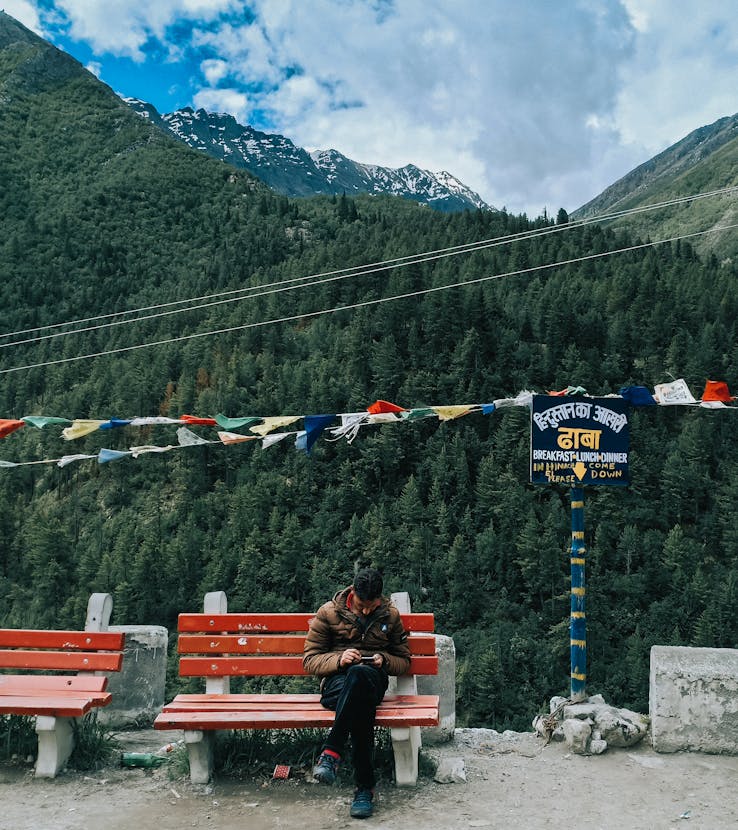
- Yamunotri: Small mountain shops and dhaba style eateries at base towns and near temple approaches.
- Gangotri: Uttarkashi and Gangotri area have basic restaurants and seasonal food stalls.
- Kedarnath: Trek route has tea stalls, dhabas, and limited hotels offering set meals; main town has more options.
- Badrinath: Better infrastructure and more hotels with full meals, plus roadside dhabas on approach routes.
Expect simple vegetarian meals in most places. Non-vegetarian options are rare on temple routes but may be available in larger towns en route.
Why understanding food availability matters
Knowing what food is available helps in planning for health, budget and comfort. Altitude, weather and remote logistics can cause shortages at times. Early planning avoids hunger, stomach issues and anxiety during the journey.
What to expect at each Dham: detailed breakdown
Yamunotri
Yamunotri is remote. Food options are limited but present.
- Base towns: Barkot, Jankichatti and Hanuman Chatti have dhabas and small hotels serving simple meals like boiled rice, dal, roti, sabzi, tea and maggi.
- Near temple: Small shops and seasonal stalls offer prasad, tea and light snacks. Large sit-down restaurants are rare close to the final approach.
- Tip: Carry dry snacks, ORS and at least one hot drink sachet for the final ascent.

Gangotri
Gangotri and Uttarkashi have slightly better dining facilities.
- Uttarkashi: More reliable food options including small restaurants, hotels serving thali meals and bakeries in town.
- Gangotri area: Seasonal stalls at tourist flow points sell tea, snacks and packaged food.
- Tip: Eat full meals in Uttarkashi before proceeding to Gangotri and keep packed food for the trek leg.
Kedarnath
Kedarnath trek route is busiest and has the most food infrastructure among the four Dhams, but still limited compared to plains.
- Gaurikund to Kedarnath route: Tea stalls and dhabas every few kilometers during peak season. Many offer bed tea, biscuits, maggi and basic cooked meals.
- Kedarnath town: The town near the temple has seasonal hotels and langar services that provide food to pilgrims.
- Tip: During high footfall, stalls may run out of some items. Carry energy bars and ready-to-eat packets.

Badrinath
Badrinath has the most developed facilities. The town supports hotels, restaurants and community kitchens.
- Market area: Several eateries serve thalis, soups, parathas, and hot beverages.
- Hotels: Many hotels include meals in room tariffs, which helps avoid the uncertainty of finding food in peak season.
- Tip: If you have dietary restrictions, communicate them in advance to hotel staff.
Common food items you will find
Across the Char Dham routes, these items are commonly available during the season:
- Hot tea and masala chai, often with biscuits.
- Maggi or similar instant noodles — a staple on trek routes.
- Plain cooked rice, dal tadka and simple vegetable curries.
- Thali meals in larger towns (Uttarkashi, Joshimath, Haridwar side towns).
- Packaged snacks, biscuits, chocolates and energy bars.
- Prasad and community langar in and near many temples.
Food safety and hygiene on mountain treks
Food safety is crucial at altitude and on long treks. Follow these rules:
- Prefer hot, freshly cooked food: Eat meals that are served hot. Avoid food left uncovered for long periods.
- Drink boiled or bottled water: Carry a water purifier or tablets if you plan to use local water. Many stalls sell bottled water, but check seals.
- Avoid raw salads and uncooked items: They may be washed in local water that could upset the stomach.
- Carry ORS and basic medicines: For altitude related issues and dehydration, have ORS and simple medications in your kit.
Managing stomach sensitivity
Many pilgrims are prone to stomach upset due to change in routine and water. Practical steps include:
- Carry probiotic tablets and mild antacids.
- Eat small, frequent meals instead of heavy meals at high altitude.
- Avoid overly spicy or oily foods if you are not used to them.
Special dietary needs: vegetarian, vegan, gluten-free and more
The Char Dham culture leans heavily towards vegetarian meals, which is good for most pilgrims. For other dietary requirements:
- Vegetarian: Widely available; nearly every eatery on the route serves vegetarian options.
- Vegan: Possible but require advance communication. Simple meals like plain rice, dal and cooked vegetables work well.
- Gluten-free: Limited; opt for rice based meals and avoid breads if unsure. Carry some personal staples like gluten-free crackers.
- Allergies: Inform hotel staff and avoid packaged items if labels are unclear.
How to plan meals: packing checklist
Pack the following to stay comfortable and nourished on the route:
- Energy bars and dry fruits (almonds, raisins).
- Lightweight ready-to-eat meals or millets porridge packets.
- Electrolyte sachets or ORS.
- Tea/coffee sachets and a small thermos if you prefer personal hot drinks.
- Basic cutlery and a reusable water bottle with purifier.
Where to eat and how to find reliable food on the go
When you are on the trail, seek these signs of a reliable food stop:
- Local crowds and continuous turnover of food.
- Visible cooking area and hot served meals.
- Cleanliness basics: covered containers and use of ladles.
- Ask locals or your guide about trusted stalls.
For organized travelers, many tour packages include meals. See sample packages and hotel options on tour packages or browse recommended hotels at hotels.
Cost expectations for food
Food costs are modest but variable:
- Tea/snacks: INR 20 to 80 per serving.
- Maggi and simple snacks: INR 40 to 150.
- Thali meals in towns: INR 100 to 300 depending on hotel class.
- Hotel meals included in stay vary by package and season.
Seasonal variations and festival impact
During festivals and peak pilgrimage season, some items may be sold out early in the day. Seasonal changes affect availability of fresh vegetables and certain packaged goods. If your travel coincides with festivals, plan to buy essentials in larger towns before proceeding to remote areas.
Emergency food options and community langar
Many temples and local trusts run langar during peak season. Langar is a dependable option for a hot simple meal. Keep local helpline numbers for temple committees and district tourism offices in case of emergencies.
Distance and timing considerations that affect food
Long drive stretches and late arrivals can limit food availability. Example: if you arrive late in Gaurikund you may find fewer open kitchens. Book accommodation with meals for nights when arrival time is uncertain.
Sample 3-day plan for food logistics on a Kedarnath leg
- Day 1: Eat a hearty breakfast in Guptkashi. Carry packed snacks for the trek to Gaurikund. Book a guesthouse that includes dinner.
- Day 2: Early morning tea and packed light meals for the trek. At Kedarnath, eat at hotel or langar. Refill water and electrolytes.
- Day 3: Return leg; eat in base towns where more options are available.
FAQs (Frequently Asked Questions)
Q: Is water safe to drink on the trek?
A: Do not drink untreated water. Use bottled water with sealed caps or treat water with a purifier or tablets. Boiled water from hotels is generally safe.
Q: Are vegetarian meals guaranteed?
A: Vegetarian meals are the default and widely available. Inform the hotel or stall if you need strictly vegetarian preparation.
Q: Can I rely on hotel meals included in tour packages?
A: Packaged tours often include meals and are reliable. Always check the meal type and timing when booking. See packaged offerings on Char Dham packages.
Q: What if I have diabetes or specific medical dietary needs?
A: Carry insulin and medical supplies with proper refrigeration arrangements if required. Plan meal times and carry glucose tablets or bites. Inform hotels in advance about special dietary requirements.
Q: Are langars and community kitchens available?
A: Yes, many temples and trusts provide langar during peak season. Langar provides simple hot meals and is often free or donation based.
Conclusion
Food is generally available on Char Dham trek routes, but availability depends on the Dham, season and time of day. Pilgrims should plan by packing essential snacks, carrying water purification solutions, and preferring hot freshly cooked meals. For special diets, communication with hotels and advance planning are essential. Organized tour packages simplify meal logistics while self planners should book accommodation that includes meals for uncertain travel days.
For planning resources and verified travel packages, visit official portals and trusted operators: Uttarakhand Tourism, Badrinath-Kedarnath Portal, and IRCTC services at IRCTC. For packages and local hotel options see IshtaDev Tourism.
May your Char Dham Yatra 2026 be nourished with good food and deeper devotion.