Gaumukh: The Glacier that Feeds the Ganges
Gaumukh, meaning "Cow's Mouth" in Hindi, is the glacial snout of the Gangotri Glacier. It is the primary source of the Bhagirathi River, one of the two main headstreams of the holy Ganges. The snout is located at a breathtaking altitude of 4,023 meters (13,200 ft), and the trek to this point is a spiritual and physical challenge for thousands of pilgrims and trekkers every year.
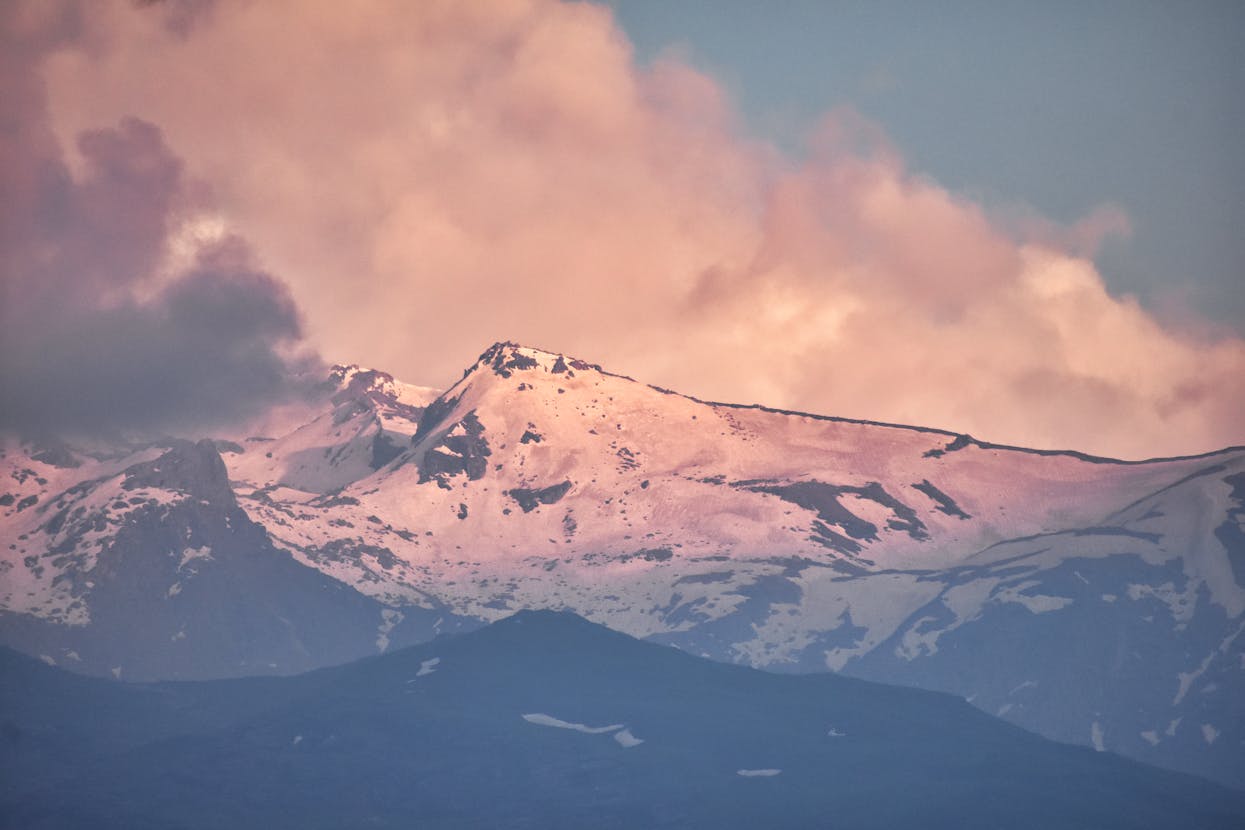
The trek begins from the town of Gangotri and follows the course of the Bhagirathi River. The trail is rugged and challenging, passing through a landscape of rocky terrain, moraine, and occasional patches of greenery. The views along the way are nothing short of spectacular, with snow-capped peaks like Shivling and the Bhagirathi Massif towering over the valley.
The Trekking Experience and Ecological Importance
- The Final Push: The last section of the trek to the snout is particularly arduous, involving a climb over a rocky path and moraine. But the sight of the glacier and the source of the river is a moment of deep spiritual significance.
- Ecosystem: The trek takes you through different ecological zones. You start with the pine and deodar forests near Gangotri and move into an alpine and eventually a glacial landscape. The region is home to a variety of high-altitude flora and fauna.
- Environmental Concerns: The Gangotri Glacier is retreating at an alarming rate due to climate change. The trek is a stark reminder of the fragile nature of the Himalayan ecosystem and the need for environmental conservation.
Pilgrimage and Adventure
For pilgrims, the trek to Gaumukh is the culmination of their spiritual journey. A ritualistic dip in the freezing waters at the source is believed to cleanse one of all sins. For adventure enthusiasts, it is a challenging high-altitude trek that offers a unique experience and a chance to witness one of nature's most powerful forces.
Staying overnight is not permitted at the Gaumukh site itself for environmental reasons. The nearest accommodation is at Bhojwasa, a beautiful campsite a few kilometers before the glacier. The trek is best undertaken from May to October, when the weather is stable and the trail is open.