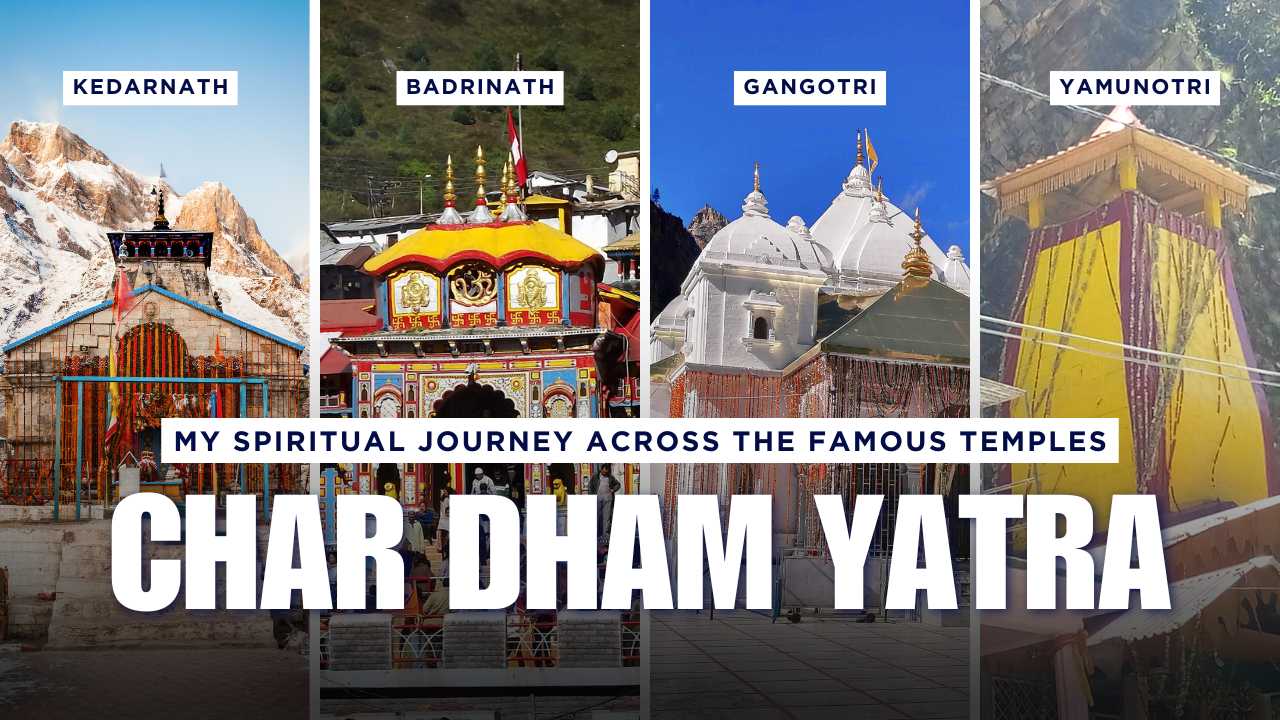
Deoria Tal: Chamoli's Nearby Mirror Lake of Divine Reflections!
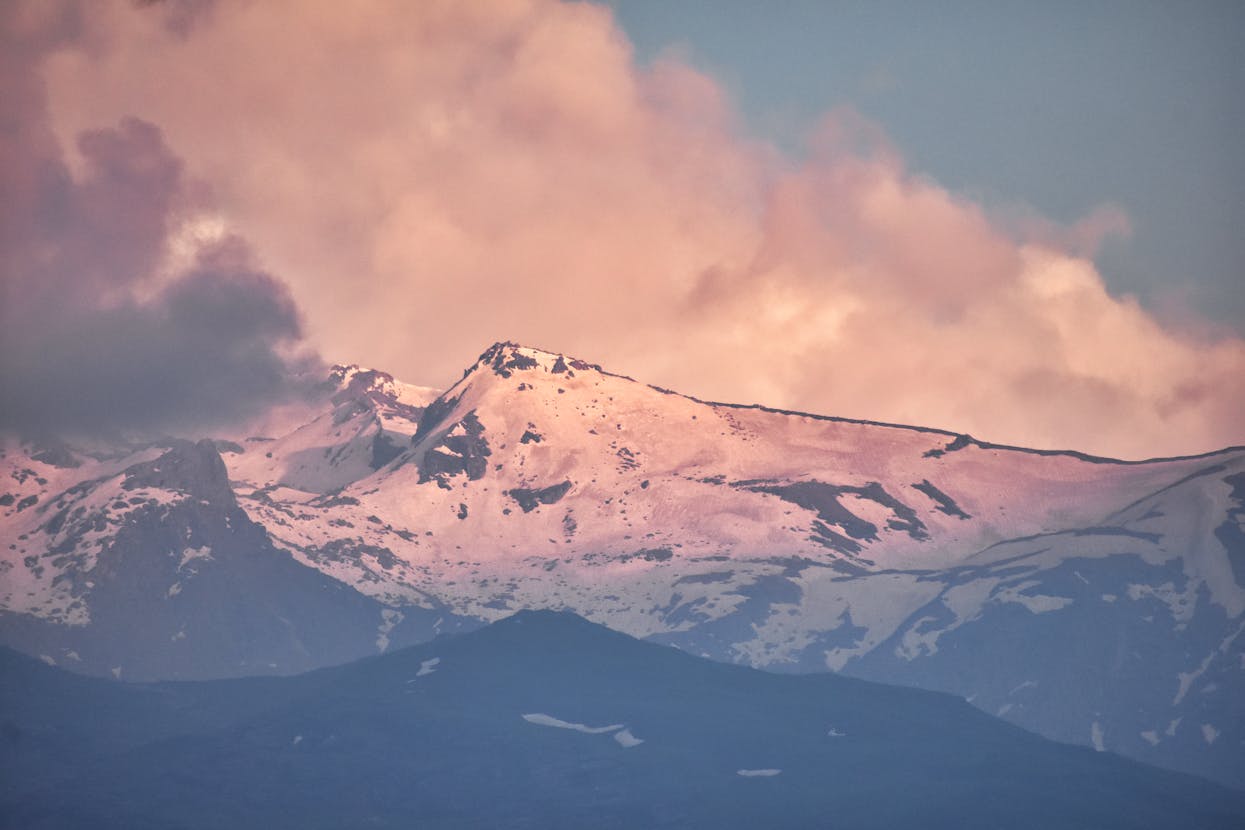
Namaste, serenity seekers and nature photographers! While geographically located in the Rudraprayag district, Deoria Tal is so close to the Chamoli border and so often combined with trips to Chopta (which is easily accessible from Chamoli) that it's an unmissable part of the wider Chamoli region's charm. This emerald-green, pristine lake is famously known as the "Mirror Lake" (or "Chopta Tal") because its calm waters offer a breathtaking, crystal-clear reflection of the mighty Chaukhamba Peak and other surrounding Himalayan giants. It's a place of unparalleled tranquility and natural beauty, accessible via a relatively easy trek.
In 2025, make your way to Deoria Tal for a magical experience. Whether you're camping under a sky full of stars or simply marveling at the divine reflections, this easily accessible lake promises to be a highlight of your Himalayan journey. Get ready for some serious peace!
Deoria Tal: A Gem of Tranquility and Scenic Grandeur
- Mirror-Like Reflections: The lake's calm surface provides perfect reflections of the Chaukhamba massif, creating stunning photographic opportunities, especially at sunrise and sunset.
- Mythological Significance: It's believed that the Devas (gods) used to bathe in this lake, hence its name. Some legends also connect it to the Pandavas from the Mahabharata.
- Easy Trek: The trek to Deoria Tal from Sari village is relatively short (around 2.5-3 km) and easy, making it suitable for families and beginners.
- Camping Paradise: The meadows around the lake are popular for camping, offering an immersive experience under the star-studded Himalayan sky.
- Dense Forests: The trail passes through beautiful oak and rhododendron forests, making the walk itself delightful, especially in spring.
- Birdwatching: The area is rich in birdlife, making it a good spot for birdwatching enthusiasts.
Important Tips for Your Deoria Tal Visit (2025)
- Starting Point: The trek to Deoria Tal begins from Sari Village, which is about 12 km from Ukhimath (Rudraprayag district). Sari is well-connected by road.
- Best Time to Visit:
- Summer (April-June): Pleasant weather, lush greenery, rhododendron blooms.
- Autumn (September-November): Clear skies, best reflections, golden meadows. Highly recommended.
- Winter (December-March): Snow-covered beauty, but trekking can be challenging, and camping very cold.
- Trek Duration: The 2.5-3 km trek takes about 1-1.5 hours one way at a moderate pace.
- Accommodation: While camping is popular (tents available for rent at Sari/near lake), you can also find basic guesthouses in Sari Village.
- Carry Essentials: Bring water, snacks, warm clothes (even in summer for evenings), a headlamp/torch if camping, and a power bank.
- Leave No Trace: This is a pristine environment. Please carry back all your waste and do not litter.
- Sunrise/Sunset: If camping, don't miss the magical sunrise and sunset views over the lake and peaks.
Deoria Tal is a little piece of heaven on Earth, offering profound peace and spectacular views with minimal effort. It's an essential addition to your Chamoli-area exploration!
FAQs about Deoria Tal
Q1: What is the main attraction of Deoria Tal?
A1: Deoria Tal is most famous for its stunning, crystal-clear reflections of the Chaukhamba peak and other Himalayan mountains on its surface.
Q2: How difficult is the trek to Deoria Tal?
A2: The trek from Sari village is considered relatively easy, making it suitable for beginners and families.
Q3: Where does the trek to Deoria Tal start from?
A3: The trek to Deoria Tal starts from Sari Village, which is accessible by road from Ukhimath (Rudraprayag district).
Q4: Can I camp at Deoria Tal?
A4: Yes, camping is a very popular option at Deoria Tal, and tents are available for rent from local operators or at Sari village.
Q5: What is the best time to visit Deoria Tal for clear reflections?
A5: September to November is considered the best time for clear skies and the most vivid reflections of the peaks.
Q6: What mythological significance does Deoria Tal hold?
A6: It is believed that the Devas (gods) used to bathe in this lake, and some legends also link it to the Pandavas from the Mahabharata.