Beyond the Mountains: Unveiling the Spiritual Significance of Chardham Yatra
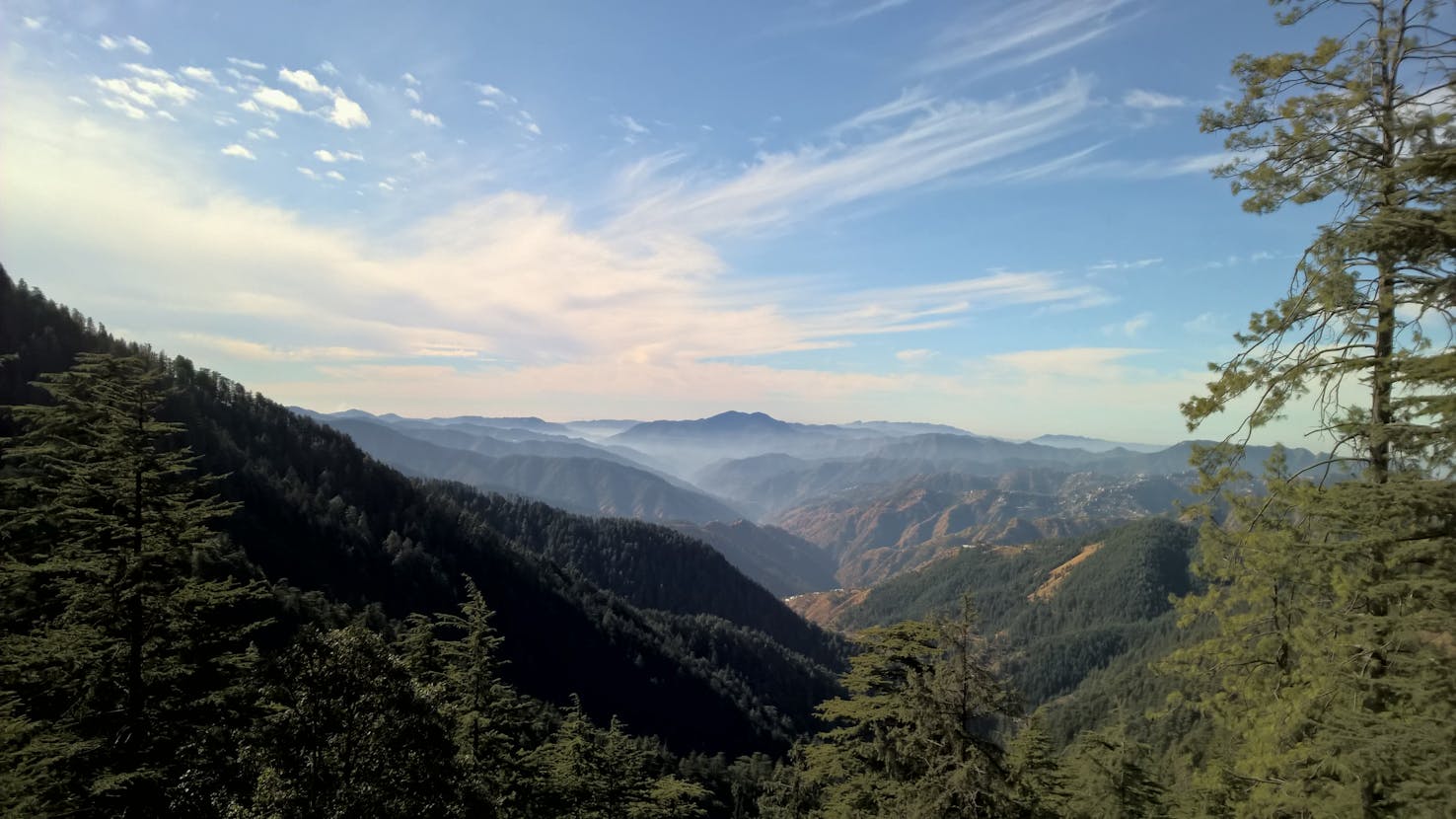
The Chardham Yatra (चारधाम यात्रा) is far more than just a physical journey through the breathtaking, yet challenging, terrain of the Uttarakhand Himalayas. While the majestic peaks and gushing rivers, even amidst the current July monsoon season, are undeniably captivating, the true essence of this pilgrimage lies in its profound spiritual significance. For millions of devout Hindus, undertaking this "पवित्र" (Pavitra - holy) "तीर्थयात्रा" (Tirth Yatra - pilgrimage) to Yamunotri, Gangotri, Kedarnath, and Badrinath is a lifelong aspiration, a quest for ultimate truth, inner peace, and liberation.
The Essence of "मोक्ष" (Moksha - Salvation): Why Pilgrims Embark
The core belief driving pilgrims to the Chardham is the attainment of Moksha, or salvation. It is believed that by completing this divine circuit, one can:
- Cleanse Sins: Wash away accumulated sins and impurities, both conscious and unconscious, from this life and past lives.
- Break the Cycle of Rebirth: Achieve liberation (Moksha) from the endless cycle of birth, death, and rebirth (Samsara).
- Seek Divine Blessings: Receive the benevolent grace and blessings of the presiding deities – Goddess Yamuna, Goddess Ganga, Lord Shiva, and Lord Vishnu – ensuring well-being for oneself and one's ancestors.
- Self-Purification & Introspection: The arduous nature of the journey itself, coupled with the solitude found amidst nature's grandeur, fosters deep introspection, detachment from worldly desires, and a profound sense of self-purification.
- Cultural & Historical Legacy: The Yatra is deeply rooted in ancient Hindu scriptures, epics, and the lives of revered sages (like Adi Shankara, who revived these Dhams). It connects pilgrims to a timeless spiritual tradition.
The Spiritual Significance of Each Dham: A Journey of Transformation
1. Yamunotri Dham (The Source of Purity and Life)
- Deity: Goddess Yamuna (यमुना देवी), daughter of Surya (the Sun God) and sister of Yama (the God of Death).
- Significance: Yamunotri is the source of the holy River Yamuna. A bath in its icy cold, sacred waters is believed to cleanse one of all sins and grant freedom from the fear of a painful death, ensuring a peaceful transition to the afterlife. It symbolizes purity, life, and the removal of negative karmas.
- Atmosphere: Serene and rejuvenating, with hot water springs at Janki Chatti providing warmth amidst the cold.
2. Gangotri Dham (The Cascade of Liberation)
- Deity: Goddess Ganga (गंगा देवी), the personification of the sacred River Ganga.
- Significance: Gangotri is the revered source of the River Ganga, believed to have descended to Earth after King Bhagiratha's intense penance, primarily to cleanse the sins of his ancestors. A dip in the pristine waters of the Bhagirathi (the name of Ganga at its source) is believed to purify the body, mind, and soul, and ultimately grant "मोक्ष" (Moksha) not just for the individual but for their lineage.
- Atmosphere: Majestic and powerful, surrounded by towering, snow-clad peaks, inspiring awe and humility.
3. Kedarnath Dham (The Abode of the Destroyer and Regenerator)
- Deity: Lord Shiva (भगवान शिव), worshipped here as one of the twelve Jyotirlingas (lingams of light).
- Significance: Kedarnath is perhaps the most challenging Dham to reach, symbolizing the arduous path to spiritual enlightenment. Pilgrims believe that seeking darshan (divine sight) of Lord Shiva here cleanses them of all sins, offering liberation and peace. Shiva, as the destroyer of ignorance and harbinger of regeneration, helps pilgrims shed their worldly attachments and progress towards ultimate truth.
- Atmosphere: Austere, intense, and deeply spiritual. The harsh weather and remote location contribute to a sense of profound devotion and resilience.
4. Badrinath Dham (The Preserver's Blessing)
- Deity: Lord Vishnu (भगवान विष्णु) in his Badrinarayan form, seated in a meditative posture.
- Significance: Badrinath is the only Dham that is part of both the Chota Char Dham (Himalayan circuit) and the larger Char Dham (all-India circuit). It is believed that a visit here guarantees liberation from the cycle of birth and death. Lord Vishnu, as the preserver of the universe, offers solace, protection, and the path to ultimate bliss. The Tapt Kund (hot spring) near the temple is believed to have medicinal and spiritual properties.
- Atmosphere: Vibrant, peaceful, and highly revered, nestled serenely by the Alaknanda River.
The Circular Journey & Its Symbolic Meaning
The traditional sequence of the Chardham Yatra is clockwise: Yamunotri (West), Gangotri (North), Kedarnath (East), and Badrinath (North-East). This "परिक्रमा" (Parikrama - circumambulation) holds deep symbolic meaning:
- Cosmic Flow: It mirrors the celestial path, ensuring the journey is auspicious and spiritually aligned.
- Spiritual Evolution: The journey symbolizes a pilgrim's spiritual evolution:
- Starting with purification (Yamuna, Ganga).
- Moving to destruction of ego and seeking liberation through Shiva (Kedarnath).
- Culminating in the preservation of the soul and attainment of Moksha through Vishnu (Badrinath).
- Detachment: Leaving behind the comforts of home and embracing the challenging terrain cultivates detachment from materialism.
- Endurance: The physical demands build mental and spiritual fortitude, strengthening one's resolve and faith.
- Introspection: The solitude and grandeur of the Himalayas provide ample opportunities for deep introspection and connecting with one's inner self.
Your Questions Answered: FAQs About Chardham Yatra's Spiritual Significance
- Q1: What is the primary spiritual goal of undertaking the Chardham Yatra?
A: The primary spiritual goal for pilgrims embarking on the Chardham Yatra is the attainment of **"मोक्ष" (Moksha)**, or salvation. It is believed that by visiting these four sacred abodes, one can cleanse their sins, break free from the endless cycle of rebirth (samsara), and achieve ultimate spiritual liberation and peace. - Q2: Why is the Yatra traditionally undertaken in a specific sequence (Yamunotri-Gangotri-Kedarnath-Badrinath)?
A: The traditional clockwise sequence (Yamunotri, Gangotri, Kedarnath, Badrinath – roughly west to east) is considered auspicious, mimicking the circumambulation of a deity in temples. Spiritually, it represents a complete journey of purification (Yamuna and Ganga), followed by seeking liberation and transformation through Lord Shiva (Kedarnath), and finally attaining ultimate salvation and preservation through Lord Vishnu (Badrinath), symbolizing a complete spiritual cycle and cosmic alignment. - Q3: What makes Kedarnath spiritually unique compared to the other Dhams?
A: Kedarnath stands out as it is one of the twelve sacred **Jyotirlingas** of Lord Shiva, making it an exceptionally powerful and revered site for Shiva devotees. The arduous journey to Kedarnath often symbolizes Shiva's ascetic nature and the spiritual strength required to truly connect with the divine, making the experience of liberation from worldly bonds particularly profound here. - Q4: Is the spiritual significance felt by non-Hindus or those without strong religious beliefs?
A: While deeply rooted in Hindu tradition, many individuals, including non-Hindus or those with broader spiritual beliefs, undertake the Chardham Yatra. The journey invariably offers profound experiences of **self-discovery, resilience, and a deep connection with nature**. The sheer majesty of the Himalayas, combined with the collective devotion of countless pilgrims, creates an undeniably powerful and introspective atmosphere that often resonates deeply with anyone seeking inner peace, clarity, or a sense of humility. - Q5: How do the natural elements (like the rivers and mountains) contribute to the spiritual experience?
A: In Hindu cosmology, natural elements are often revered as manifestations of the divine. The holy rivers Yamuna and Ganga are worshipped as goddesses; bathing in their icy, purifying waters is believed to cleanse sins. The towering, majestic mountains are seen as the ancient abode of gods, inspiring awe, humility, and a profound sense of one's place in the vast cosmos. The challenging physical terrain itself becomes a tool for spiritual discipline, promoting detachment, endurance, and a deeper appreciation for life's journey.
The Chardham Yatra is more than just a destination; it is a transformative odyssey, a testament to unwavering faith, and a relentless quest for ultimate truth and inner peace amidst the grandeur of the Himalayas. May your spiritual journey be enlightening!