Fueling Your Faith: Exploring Food Options on the Chardham Yatra
Embarking on the Chardham Yatra (चारधाम यात्रा) is a test of faith and endurance, and proper nourishment is key to a successful and comfortable pilgrimage. While the focus is primarily spiritual, understanding the food options on the Chardham Yatra route is essential for maintaining energy and health. The culinary landscape along this sacred path is uniquely defined by its spiritual ethos, emphasizing "सात्विक भोजन" (Sattvic Bhojan - pure food) throughout. Even amidst the current July monsoon, ensuring safe and hygienic food choices is paramount, contributing to your overall well-being from your starting point in Haridwar all the way to the Dhams.
The "अन्न" (Anna - Food) of the Pilgrimage: Why Food is More Than Sustenance
On the Chardham Yatra, food isn't just about satisfying hunger; it's an integral part of the spiritual journey:
- Fuel for the Journey: Sustaining energy for the treks and long travel hours.
- Spiritual Purity: Adhering to a "सात्विक" (Sattvic) diet that promotes mental clarity and peace.
- Community & "सेवा" (Seva - Service): Experiencing the warmth of shared meals at community kitchens.
Chardham Yatra Food Options: A Pilgrim's Guide
1. "सात्विक भोजन" (Sattvic Bhojan) is the Standard
- Strictly Vegetarian: The entire Chardham circuit is a sacred zone. This means no meat, fish, eggs, alcohol, or tobacco products are allowed or available anywhere along the route.
- Pure & Simple: Most eateries and pilgrim kitchens serve simple, freshly prepared Indian vegetarian meals. Many establishments also strictly avoid onion and garlic, adhering to a purer "सात्विक" philosophy believed to cleanse the mind and body, preparing it for spiritual devotion.
2. Dhabas & Small Eateries (The Most Common Choice)
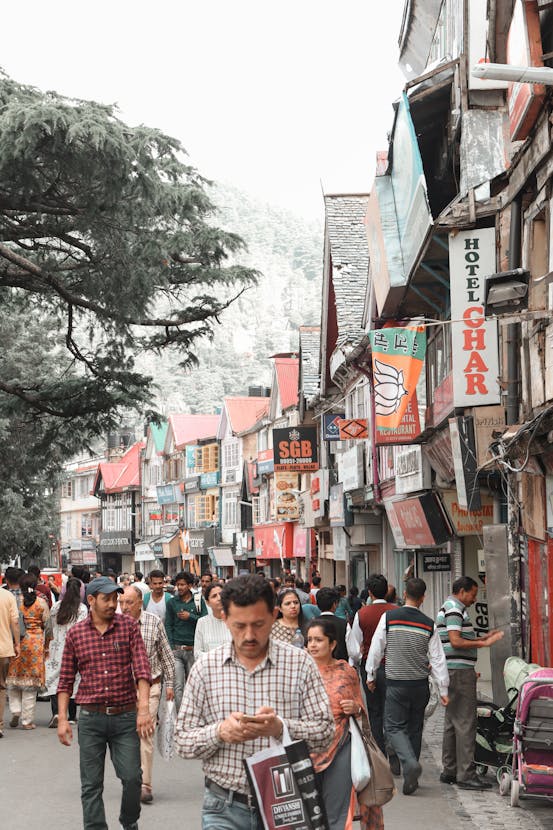
- Ubiquitous Presence: These roadside eateries are your most frequent dining option, found in almost every town and significant stop along the route.
- Typical Menu: The standard fare includes hot "दाल" (Dal - lentils), fluffy "चावल" (Chawal - rice), fresh "रोटी" (Roti - Indian bread), and various seasonal "सब्जी" (Sabzi - vegetable dishes). You'll also find omnipresent offerings like hot "चाय" (Chai - tea), instant noodles (Maggi), pakoras, and simple breakfast items like "पूरी-सब्जी" (Puri-Sabzi).
- Hygiene Note: Hygiene standards can vary. Always opt for places that have high pilgrim traffic, where food is cooked fresh in front of you, and utensils appear clean. During the monsoon, be extra cautious with exposed or cold items.
3. Hotel & Guesthouse Restaurants
- Better Standards: In larger towns such as Guptkashi, Joshimath, Uttarkashi, Barkot, and Badrinath town, hotels and guesthouses often have their own restaurants. These generally offer better hygiene standards and a slightly wider menu.
- Menu Variations: While still strictly vegetarian, you might find some adaptations of South Indian dishes (like dosa and idli) or popular Indo-Chinese (like noodles and fried rice) items, alongside the staple North Indian thali.
- Recommendation: For consistent hygiene and a slightly more comfortable dining experience, hotel restaurants are often the safest bet.
4. "लंगर" (Langar) & "भंडारा" (Bhandara - Free Community Kitchens)
- Selfless Service: A beautiful and unique cultural aspect of the Yatra is the presence of free community kitchens ("लंगर" by Sikh organizations and "भंडारा" by Hindu trusts/philanthropists).
- Availability: These are prominent in places like Govindghat, Kedarnath, Badrinath, and occasionally along the trekking routes.
- Menu: They provide simple, hot, and wholesome meals (typically dal, roti, rice, sabzi) to all pilgrims, regardless of their background or ability to pay.
- Significance: Experiencing a "लंगर" is not just about food; it's about witnessing the true spirit of "सेवा" (Seva - selfless service) and shared devotion, offering immense relief and spiritual comfort to many.
5. Snacks & Beverages
- Common Items: Packaged biscuits, namkeen (savory snacks), fresh fruits (especially apples and bananas), tea, coffee, and hot milk are widely available.
- Caution: Be wary of unhygienic street vendors selling uncovered food items. Always opt for packaged goods or items that are cooked fresh and hot.
6. Personal Food Supplies (Your Backup Plan)
- Highly Recommended: Carry a small stash of dry fruits, nuts, energy bars, and a few packets of instant noodles or soup mix.
- Utility: These are invaluable for treks, in areas with very limited food options, or during unexpected delays. A small thermos to carry hot "पानी" (Pani - water) or tea is also incredibly useful for staying hydrated and warm.
Food Safety & Hygiene Tips (Crucial for Monsoon!)
- Water is Key: **Only drink bottled water or "पानी" (Pani) that has been freshly boiled.** Avoid tap water, untreated stream water, or ice, particularly during the monsoon, due to higher risks of waterborne diseases.
- Hot & Fresh: Always prioritize hot, freshly cooked food. Avoid anything that has been sitting out for a long time.
- Avoid Raw Food: Strictly avoid salads, cut fruits, or fresh juices from street vendors, especially in the rainy season, as these are highly susceptible to contamination.
- Hand Hygiene: Wash your hands thoroughly with soap and water or use an alcohol-based hand sanitizer frequently, especially before eating.
- Observe Cleanliness: Take a quick look at the eatery's overall cleanliness, including cooking areas and utensils, before ordering.
- Small, Frequent Meals: Eating smaller, more frequent meals can aid digestion and prevent discomfort at high altitudes.
Specific Dham Food Notes:
- Yamunotri & Kedarnath Treks: Food options become more basic and limited to dhabas, instant noodles, and tea. Your personal food supplies will be a blessing here.
- Gangotri & Badrinath: Being more developed towns, they offer a wider range of eateries and better hotel restaurant facilities.
By making mindful and hygienic food choices, you can ensure your body is well-fueled and your mind remains clear for the spiritual journey. The "शुद्ध" (Shuddh - pure) and nourishing "भोजन" (Bhojan) of the Chardham Yatra is an experience in itself, contributing significantly to your overall "स्वास्थ्य" (Swasthya - health) and spiritual fulfillment.