Fueling Your Faith: Chardham Yatra Food & Dining Options for Pilgrims
The journey to the sacred Chardham Yatra (चारधाम यात्रा) is a profound spiritual experience that demands not only devotion but also physical endurance. Just as important as seeking divine blessings is nourishing your body for the rigours of the Himalayan terrain. Understanding the Chardham Yatra food and dining options available on the route is crucial for maintaining your "स्वास्थ्य" (Swasthya - health) and energy. From the bustling streets of Haridwar to the serene heights of the Dhams, the culinary landscape is primarily simple, wholesome, and strictly vegetarian, reflecting the pilgrimage's sacred nature. A special emphasis on hygiene becomes even more critical during the current July monsoon season.
The Culinary Landscape of the Chardham Yatra: Simple, Sattvic, Sacred
- Predominantly Vegetarian: Due to the religious sanctity of the region, the entire Chardham Yatra route, including all eateries, strictly prohibits non-vegetarian food, alcohol, and tobacco. You will find only "सात्विक" (Sattvic - pure, wholesome) vegetarian fare.
- Simple & Wholesome: The cuisine is generally simple, focusing on freshly prepared, home-style meals using local ingredients. Expect hearty Indian staple dishes.
- Varying Options by Location: The range of dining options expands in larger towns like Haridwar, Rishikesh, Uttarkashi, and Rudraprayag, offering more variety and slightly better amenities. As you ascend to higher, more remote areas, options become more basic.
Where to Eat & What to Expect
1. Dhabas (The Pilgrim's Lifeline)
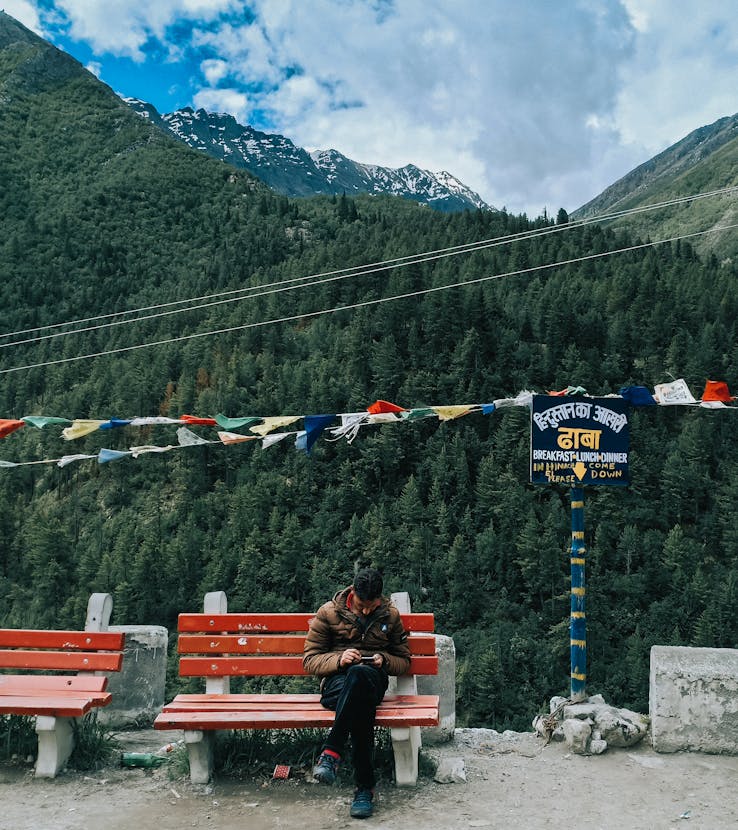
- Description: These are ubiquitous roadside eateries found in nearly every village and town along the route. They are the most common and economical dining option for pilgrims.
- Food: Dhabas typically serve fresh, hot Indian meals. Common offerings include Dal (lentils), Chawal (rice), hot Roti/Chapati (flatbread), seasonal vegetable dishes (Sabzi), sometimes simple Paneer (Indian cheese) preparations, Aloo Gobhi (potato cauliflower), and Kadhi Chawal (yogurt curry with rice). Tea (Chai) and Maggi noodles are almost universal favourites.
- Atmosphere: Basic, often with communal seating. They provide a glimpse into local life.
- Hygiene (Crucial in Monsoon!): Hygiene standards can vary greatly from one dhaba to another. It is paramount to choose places that appear clean, have a good turnover of food (indicating freshness), and seem well-maintained.
2. Hotel & Guesthouse Restaurants
- Description: Found in larger towns and with better-equipped accommodations. These restaurants offer a slightly more refined dining experience than dhabas.
- Food: While still primarily vegetarian Indian cuisine, they might offer a slightly wider menu, better presentation, and generally adhere to higher hygiene standards. Some may also offer basic South Indian dishes or Chinese-Indian fusion.
- Prices: Expect prices to be moderately higher than dhabas.
3. Bhawan/Temple Canteens (Sacred Sustenance)
- Description: At or very near the major temples (Kedarnath, Badrinath, Gangotri, Yamunotri), you will find canteens or kitchens run by temple trusts or authorized vendors.
- Food: These typically serve very basic, "सात्विक" (Sattvic) food at subsidized rates or even free (known as Langar or Bhandara). The purpose is to provide essential sustenance to a large number of pilgrims. The focus is on simplicity and purity.
4. Local Tea Stalls & Small Shops (Quick Bites)
- Description: Scattered throughout the route, these stalls offer quick refreshments.
- Offerings: Besides various types of "चाय" (Chai - tea) and coffee, you'll find biscuits, packaged snacks, and the ever-popular Maggi noodles. Some may offer freshly made Pakoras (fritters) or Samosas.
- Tips: Great for quick breaks and warmth, especially in cold or wet weather. However, limit relying solely on instant noodles for nutrition.
5. Packed Food & Snacks (Your Backup "भोजन" - Bhojan)
- What to Carry: It is highly advisable to carry a stock of non-perishable, energy-rich snacks from home. Good options include dry fruits (almonds, cashews, raisins), nuts, energy bars, granola bars, biscuits, roasted chana (chickpeas), and chocolates.
- Why: These are essential for treks, long drives, or when unexpected delays occur (e.g., due to monsoon-induced road blockages or vehicle breakdowns). They provide quick energy and comfort when other options are limited.
- Caution: Avoid carrying heavy, greasy, or easily perishable packed foods.
Navigating Food Safely & Healthily on the Yatra
Maintaining good health through proper eating habits is paramount:
- 1. Drink Only Safe Water: This cannot be stressed enough. Always consume only bottled water (check the seal), water that has been properly boiled, or water from reliable, certified filters. **NEVER drink tap water, spring water, or water directly from streams (especially during monsoon!), as it can be contaminated and is a common cause of stomach ailments.**
- 2. Eat Hot & Freshly Cooked Food: Prioritize food that is cooked and served hot. Avoid cold food, salads (unless you are certain they are prepared with purified water), or cut fruits that have been sitting out. This is a critical hygiene tip, particularly important in the monsoon when bacteria can spread easily.
- 3. Practice Hand Hygiene: Wash your hands thoroughly with soap and water, or use a good quality alcohol-based hand sanitizer, before every meal and after using the restroom.
- 4. Moderate Eating: Do not overeat, especially before or during treks. Heavy meals can make you feel sluggish and can sometimes worsen symptoms of altitude sickness. Eat small, frequent meals instead.
- 5. Stay Hydrated: In addition to water, sip on herbal teas, clear soups, or lemon water. Avoid excessive sugary drinks or caffeinated beverages.
- 6. Listen to Your Body: If an eatery looks unhygienic, or the food appears questionable, its best to avoid it. Trust your instincts.
- 7. Try Local Specialties (with caution): In larger towns, you might encounter simple local Uttarakhandi dishes like "Mandua Roti" or "Kafuli." Try them at reputable, clean establishments.
Food Challenges & Solutions on the Route
- Limited Variety: Embrace the simplicity. The focus is on nutritious, easy-to-digest vegetarian food.
- Hygiene Concerns: Be vigilant. Look for places with high pilgrim footfall, as this often indicates freshly cooked food. Observe the kitchen if visible.
- Altitude Impact: Your appetite might decrease at higher altitudes. Eat small, frequent meals to keep your energy levels up.
Your Questions Answered: FAQs About Chardham Yatra Food & Dining
- Q1: Is non-vegetarian food available anywhere on the Chardham Yatra route?
A: **No, the entire Chardham Yatra route is strictly vegetarian.** Due to the sacred and spiritual nature of the pilgrimage, the consumption of non-vegetarian food, alcohol, and tobacco is strictly prohibited in the region. You will only find "सात्विक" (Sattvic - pure, wholesome) vegetarian food options. - Q2: What is the most common type of food I will find at dhabas?
A: The most common food at dhabas is simple, North Indian vegetarian fare. Expect staple dishes like Dal (lentil curry), Chawal (rice), hot Roti (flatbread), various seasonal vegetable dishes (Sabzi), and sometimes Aloo Gobhi, Paneer preparations, or Kadhi Chawal. Tea and instant noodles ("Maggi") are almost universally available. - Q3: Is it safe to drink tap water or water from streams on the Yatra route?
A: **No, it is generally NOT safe to drink water directly from taps or natural streams along the Chardham route.** Always consume only bottled water from sealed bottles, boiled water, or water purified through a reliable filter. Contaminated water is a common cause of stomach ailments, especially during the monsoon season when water sources can easily become polluted. - Q4: Are there options for Jain food or other special dietary requirements?
A: While the food is strictly vegetarian, finding specific Jain food (which typically excludes onion, garlic, and root vegetables) or catering to other complex dietary requirements can be challenging, especially in remote areas. It is advisable for pilgrims with strict dietary needs to carry some personal, pre-prepared Jain snacks or ready-to-eat items. In larger towns like Haridwar, you might find specific eateries that cater to such requirements, but this is rare on the route itself. Always communicate your needs clearly. - Q5: What should I carry as packed food from home for the Yatra?
A: It is highly advisable to carry non-perishable, energy-rich snacks. Excellent options include dry fruits (almonds, cashews, raisins), nuts (walnuts, peanuts), energy bars, biscuits, roasted chana (chickpeas), and chocolates. These are invaluable for quick hunger pangs, especially during long drives, treks, or provide crucial sustenance during monsoon-induced travel delays when food options might be scarce.
Mindful eating and ensuring food safety are integral parts of your Chardham Yatra. By making informed choices about your "भोजन" (Bhojan - food), you empower your body to keep pace with your spiritual zeal, ensuring a healthy, energetic, and truly blessed pilgrimage.