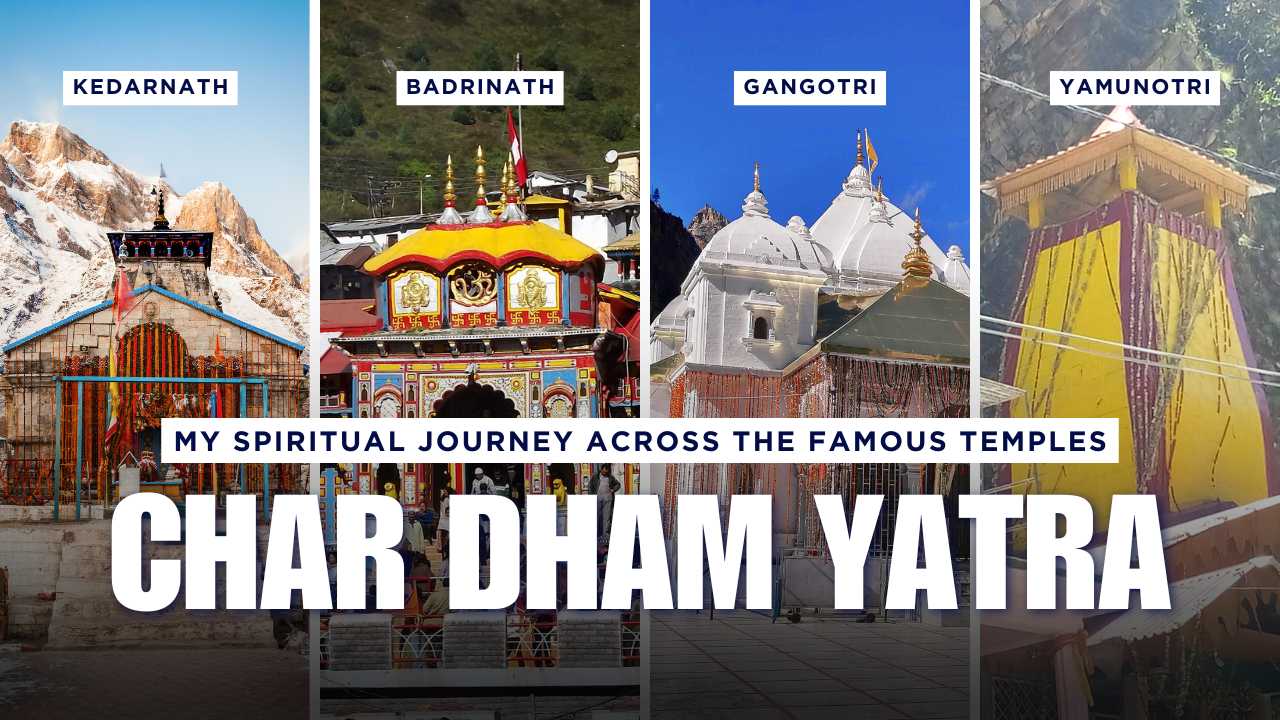
A Tapestry of Faith: Exploring the Cultural Aspects of Chardham Yatra
The Chardham Yatra (चारधाम यात्रा) is undeniably a journey of profound spiritual significance, drawing millions of "यात्री" (Yatri - pilgrims) seeking divine blessings and liberation. Yet, it is also a vibrant immersion into a rich cultural tapestry, deeply woven into the fabric of the Himalayan communities. From the ancient city of Haridwar (your current location), where the Ganges "आरती" (Aarti - lamp ceremony) captivates daily, to the remote temple towns, every step of the Yatra offers a unique glimpse into the spiritual practices, local traditions, and shared human experiences that define this sacred pilgrimage. Understanding these Chardham Yatra cultural aspects not only enriches your journey but connects you more deeply with the land and its people.
The "संस्कृति" (Sanskriti - Culture) of Faith: Why Culture Matters on the Yatra
Engaging with the cultural elements of the Chardham Yatra:
- Deepens Spiritual Experience: Rituals and traditions provide a structured path for devotion.
- Connects with Local Life: Offers insight into the history, beliefs, and daily life of the Himalayan residents.
- Fosters Community: The shared experience of pilgrimage builds camaraderie among diverse groups.
- Offers Unique Learning: A chance to witness and participate in ancient practices.
Key Cultural Aspects You'll Encounter on Your Chardham Journey
1. Temple Rituals & "पूजा" (Puja - Worship)
- Daily Aarti: Witnessing the captivating morning and evening "आरती" (Aarti) at each Dham is a highlight. The rhythmic chants, the sound of bells, and the flickering lamps create an intensely spiritual atmosphere.
- Mantra Chanting & Offerings: Pilgrims participate in chanting mantras, offering flowers, fruits, and "प्रसाद" (Prasad - consecrated food) to the deities. Specific offerings vary by temple.
- Dham-Specific Practices:
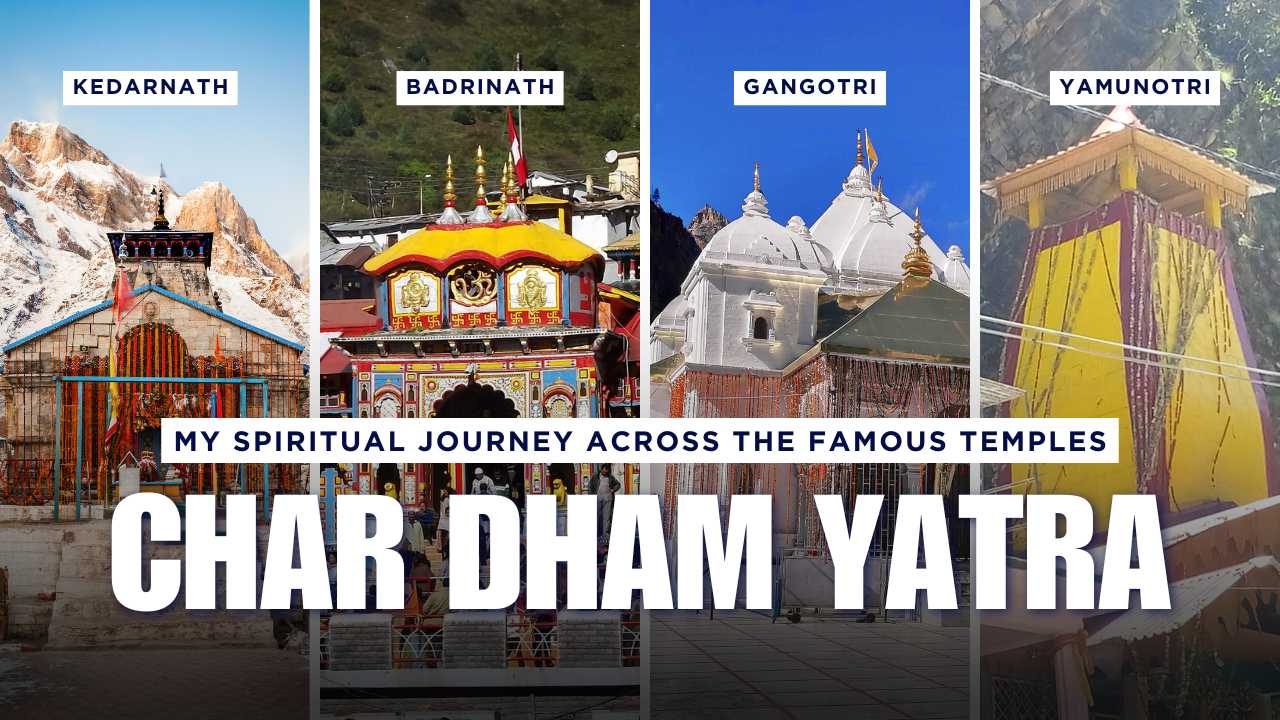
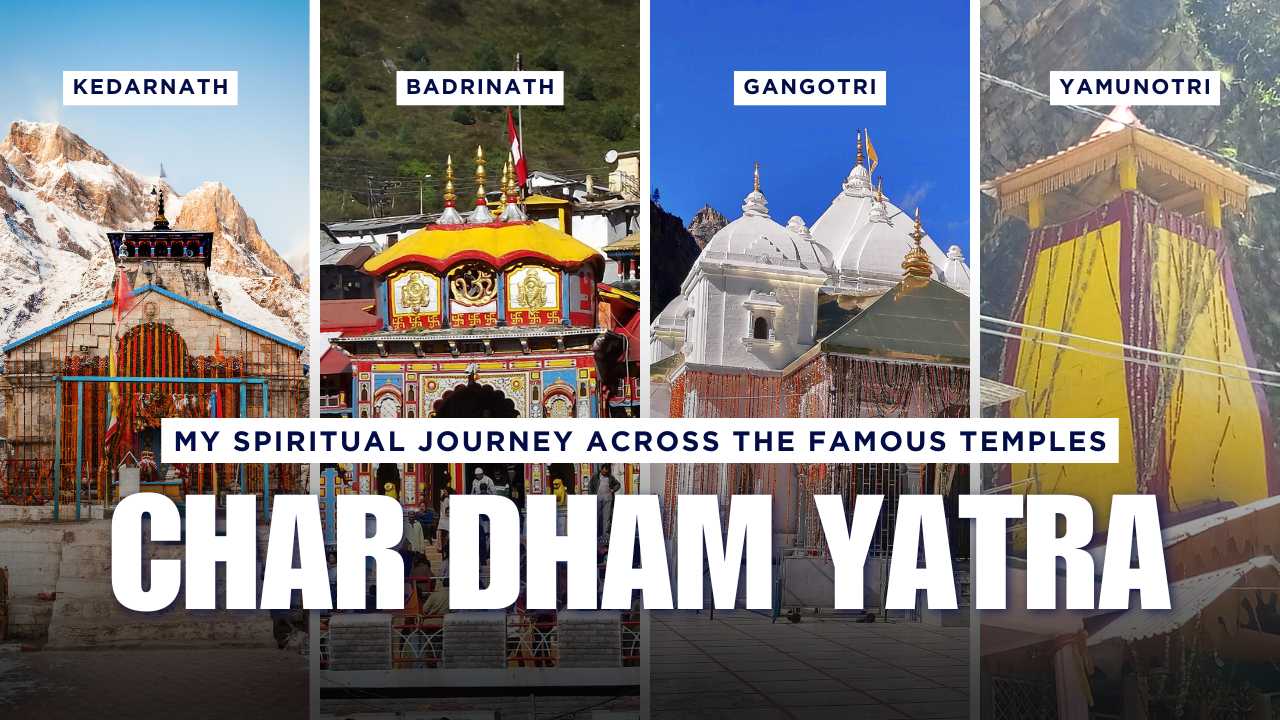
- Yamunotri: Offerings cooked in the hot waters of Surya Kund.
- Gangotri: The majestic Ganga Aarti by the riverbank.
- Kedarnath: The Rudrabhishek and evening Aarti for Lord Shiva.
- Badrinath: Elaborate Maha Abhishek and evening Aarti for Lord Badrinarayan.
- Etiquette: Dress modestly (covered shoulders and knees), remove shoes before entering temples, and maintain respectful silence.
2. The Pilgrim Community & Shared Devotion
- Sense of Camaraderie: Despite coming from diverse backgrounds and speaking various languages, pilgrims share a profound sense of unity and purpose. Chants like "जय बद्री विशाल!" (Victory to Badrinath!) or "जय केदार!" (Victory to Kedarnath!) are universal greetings.
- Mutual Assistance: You'll often witness pilgrims helping each other on challenging treks, sharing food, or offering words of encouragement. This collective spirit truly embodies the essence of "सहायता" (Sahayata - help) and shared faith.
- Langar & Bhandara: The tradition of offering free, wholesome, "सात्विक" (Sattvic - pure vegetarian) meals (known as Langar or Bhandara) by various organizations and individuals is a beautiful demonstration of selfless service ("सेवा" - Seva) and community support, ensuring no pilgrim goes hungry.
3. Local Folk Culture & Arts (A Glimpse Beyond the Temples)
- Music & Chants: While devotional hymns (bhajans) dominate, you might occasionally hear traditional Garhwali or Kumaoni folk songs (Pahadi Sangeet) in villages or during local celebrations, reflecting the indigenous culture.
- Architecture: Observe the distinct Himalayan temple architecture, often characterized by intricate wooden carvings, stone masonry, and multi-tiered roofs, adapting to the mountainous environment.
- Handicrafts & Souvenirs: Local shops offer religious artifacts, idols, prayer beads, and sometimes indigenous handicrafts, providing a tangible memory of your journey.
4. Dress Codes & General Etiquette
- Modesty is Key: At all religious sites, dress modestly. For women, this typically means traditional Indian attire like sarees or salwar-kameez, or at least trousers/long skirts with covered shoulders. For men, kurta-pajama or trousers and shirts are appropriate.
- Footwear: Always remove your shoes before entering any temple or sacred area.
- Respectful Conduct: Avoid loud conversations, maintain reverence, and always ask permission before taking photographs, especially of people or inside temples.
5. Festivals & Fairs (Adding Color to the Calendar)
- Yatra Opening/Closing Ceremonies: The ceremonial opening and closing of the Dhams each year (around Akshaya Tritiya and Diwali respectively) are grand cultural events, attracting many devotees and showcasing local traditions.
- Local Village Festivals: Depending on your travel dates, you might stumble upon smaller, intimate village festivals or fairs that offer a more localized cultural insight into the "संस्कृति" (Sanskriti) of the mountain people.
Experiencing Culture Amidst the Monsoon (July 2025)
Traveling during the current monsoon "मौसम" (Mausam - weather) might mean fewer crowds, which can allow for a more intimate and less rushed experience of the cultural rituals and local life. You'll also witness the resilience of the mountain communities as they adapt their daily routines to the rains, providing a unique perspective.
Your Questions Answered: FAQs About Chardham Yatra's Cultural Aspects
- Q1: Is there a specific dress code for visiting the Chardham temples?
A: Yes, a modest dress code is expected and highly recommended out of respect for the sacredness of the sites. Both men and women should wear clothing that covers their shoulders and knees. Traditional Indian attire like sarees or salwar-kameez for women and kurta-pajama or trousers with a shirt for men are generally preferred, contributing to a reverent atmosphere. - Q2: Can I participate in the "पूजा" (Puja - worship) or rituals at the temples?
A: Yes, pilgrims are generally welcome to observe or participate in the daily "आरती" (Aarti - lamp ceremony) and other rituals. You can often make offerings (like flowers, sweets, or specific items as per the temple's tradition) and seek blessings. Priests are usually available to guide you through specific pujas, often for a small dakshina (voluntary donation). - Q3: What kind of local festivals or events might I encounter during the Yatra season?
A: Beyond the daily temple rituals, the Yatra season (May to October) coincides with various Hindu festivals like Baisakhi (which marks the opening of some Dhams) and Diwali (near the closing). The grand opening and closing ceremonies of the Dhams themselves are significant cultural events. While massive gatherings like the Kumbh Mela (held periodically in Haridwar) are rare during the Yatra months, smaller village fairs and religious gatherings are common and offer a beautiful glimpse into the local "संस्कृति" (Sanskriti). - Q4: How do pilgrims communicate or bond on the Yatra route, given diverse languages?
A: Despite linguistic diversity, a powerful sense of camaraderie defines the pilgrim community. Simple Hindi often serves as a common language. Chants like "Jai Badrinath" or "Har Har Mahadev" act as universal greetings and expressions of shared faith. Overcoming challenges together, sharing food (often through "langar" or "bhandara" services), and offering mutual "सहायता" (Sahayata - help) forge strong bonds of shared devotion among the "यात्री" (Yatri - pilgrims), transcending linguistic barriers. - Q5: What is the significance of the "langar" or "bhandara" system often seen on the route?
A: "Langar" (a communal kitchen, originating from the Sikh tradition) and "Bhandara" (a Hindu tradition of free community meals) are deeply ingrained cultural practices on the Yatra route. Their profound significance lies in the principles of "सेवा" (Seva - selfless service) and equality. They ensure that all pilgrims, regardless of their financial status, receive wholesome, "सात्विक" (Sattvic) food, fostering a spirit of community, humility, and shared devotion among the "यात्री" (Yatri - pilgrims). It's a powerful display of collective faith and hospitality.
Embracing the cultural aspects of the Chardham Yatra transforms your pilgrimage into a holistic experience – one that nourishes not just the soul, but also the mind, by connecting you with the rich heritage and vibrant traditions of this sacred land. May your journey be culturally enriching and spiritually uplifting!