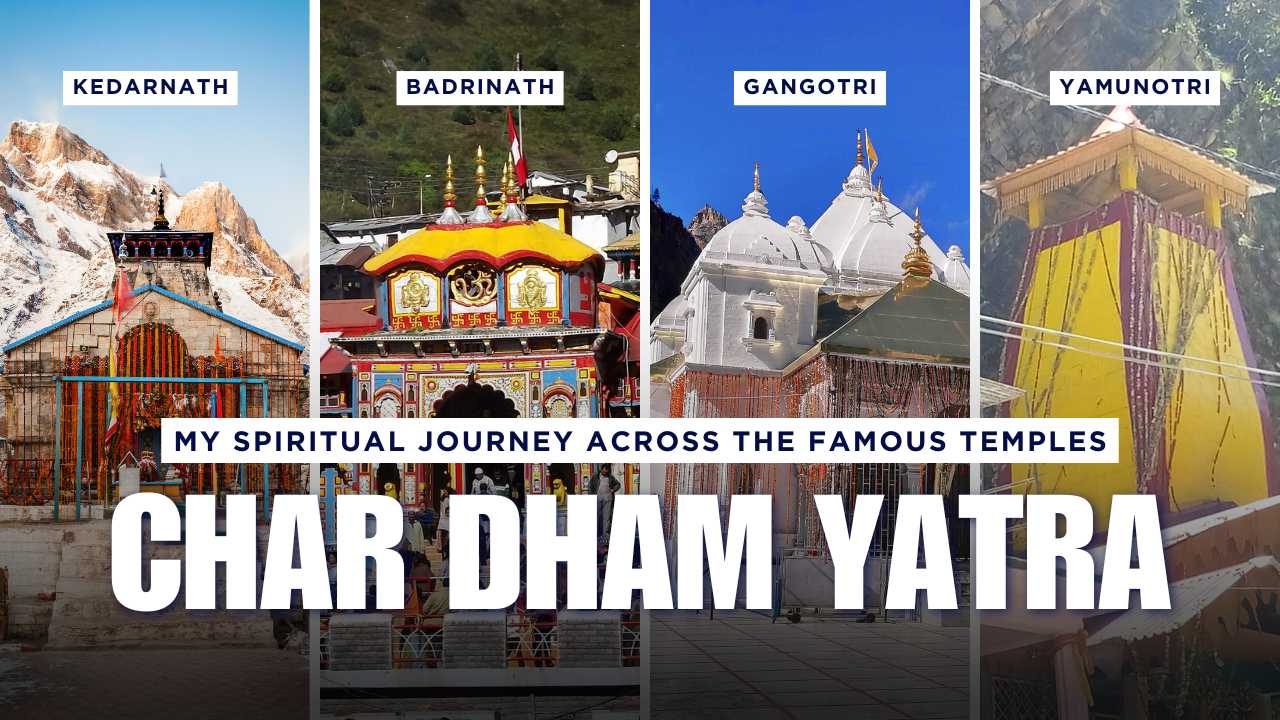
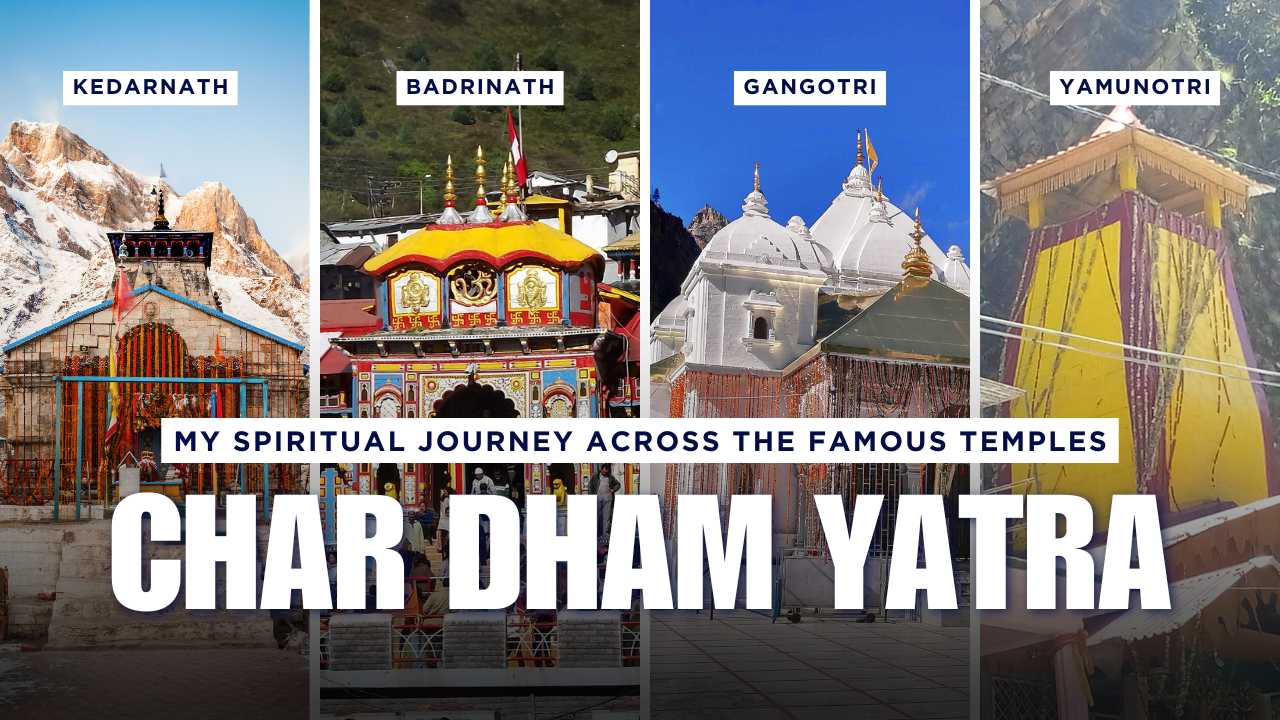
Char Dham Yatra 2026: Trekking for Beginners — Easy Treks in Uttarakhand
Introduction: For many pilgrims, Char Dham Yatra 2026 is a spiritual journey that blends temple darshan with time in the mountains. If you are new to trekking, Uttarakhand offers excellent beginner-friendly trails: Kedarkantha, Nag Tibba, the Valley of Flowers, and the Chopta–Tungnath–Chandrashila route. This guide is for Indian travelers preparing for Char Dham and seeking safe, scenic, and manageable treks that complement the pilgrimage. It covers routes, fitness preparation, packing, seasonal timing, safety, and helpful tips to make your 2026 journey both spiritually and physically rewarding.
Why Trekking Helps the Pilgrimage
Trekking deepens the Char Dham experience. A slow walk through forests and meadows creates space for reflection and prayer. Treks also build stamina for longer travel days and teach resilience — valuable on mountain roads and at remote temple sites. For beginners, the right treks are short, well-marked, and supported by local services.
How to Choose the Right Beginner Trek
Consider these factors:
- Duration: Look for 1–4 day treks if you are starting out.
- Altitude gain: Prefer trails under 4,000 meters to reduce altitude risks.
- Trail condition: Select well-trodden paths with clear markers and local guides available.
- Season: Check the best months — spring and autumn usually offer the safest and most scenic windows.
Kedarkantha — Classic Beginner-Friendly Winter Trek
Overview: Kedarkantha is a popular beginner winter trek near Sankri in Uttarkashi district. It's famous for snow-clad meadows, clear night skies, and a summit that offers 360-degree Himalayan panoramas.
Key facts
- Duration: 4–5 days (Sankri to Kedarkantha and back).
- Max altitude: ~12,500 ft (3,800 m).
- Difficulty: Easy to moderate; good for first-time trekkers with basic fitness.
- Best season: December to March (for snow) and April to June (for green meadows).
Why it suits beginners
The daily climbs are gradual, camps are well-organized by local operators, and the trail is scenic without being technically demanding. For Char Dham travelers, Kedarkantha provides both physical renewal and deep nature immersion before or after temple visits.
Nag Tibba — Quick & Accessible Hilltop Trek
Overview: Nag Tibba is an excellent short trek located close to Dehradun and Mussoorie. It's perfect for pilgrims with limited time who still want a Himalayan summit experience.
Key facts
- Duration: 1–2 days.
- Max altitude: ~9,915 ft (3,023 m).
- Difficulty: Easy; suitable for families and first-timers.
- Best season: Year round except heavy monsoon days (June–September has rain risks).
Why it suits beginners
Nag Tibba's short duration makes it ideal as a warm-up trek for pilgrims who will be traveling to higher altitudes for Char Dham shrines. The summit offers great views of Bandarpoonch, Kedarnath range, and Gangotri peaks.
Valley of Flowers — Floral Wonder, Gentle Walks
Overview: The Valley of Flowers is a UNESCO-recognized national park renowned for its alpine blooms in late summer. Treks to the valley are well-supported and moderate, offering a tranquil counterpoint to the intensity of pilgrimage sites.
Key facts
- Duration: 3–4 days from Govindghat (Govindghat -> Ghangaria -> Valley).
- Max altitude: ~3,600 m in Ghangaria area.
- Difficulty: Easy to moderate; mostly well-marked trails.
- Best season: July to September (peak floral season after monsoon).
Why it suits beginners
The Valley of Flowers offers short daily walks and time to rest in Ghangaria. The scenery is extraordinary, and the pace is gentle — ideal for pilgrims who want nature's restorative effect as part of their Char Dham Yatra 2026.
Chopta–Tungnath–Chandrashila — Short Alpine Circuit
Overview: Chopta serves as a base for reaching Tungnath (the highest Shiva temple) and Chandrashila peak. The walks are short but rewarding, with panoramic views of Nanda Devi and other Himalayan giants.
Key facts
- Duration: 2–3 days (base at Chopta).
- Max altitude: Chandrashila ~3,690 m.
- Difficulty: Easy to moderate with some steep sections.
- Best season: April to June and September to November; winter offers snow views but requires experience.
Why it suits beginners
Short daily hikes and accessible facilities make Chopta a gentle introduction to alpine trekking. The Tungnath temple also adds a spiritual layer that complements the Char Dham pilgrimage.
Fitness Preparation for Beginners
Start with a 6–8 week plan:
- Cardio: 30–45 minutes of brisk walking or jogging, 4 times a week.
- Strength: Leg exercises, squats and lunges, twice a week.
- Endurance hikes: Weekend day hikes with a loaded daypack once every week.
- Flexibility: Stretching or yoga to reduce injury risk.
Gradually increase pack weight to mimic trek conditions. Practice short hill walks to build confidence on inclines and descents.
Packing List — Essentials for Beginner Treks
- Lightweight trekking shoes with good grip.
- Layered clothing: base layer, insulating mid-layer, waterproof outer shell.
- Daypack (20–30L), rain cover, water bottles or hydration bladder.
- First aid kit, blister plasters, altitude medicine (if advised), sunscreen and sunglasses.
- Trekking poles, headlamp, power bank, and a lightweight sleeping bag for overnight camps.
Altitude Awareness & Safety
Although these beginner treks don't usually cross extreme altitudes, some elevation gain can still cause discomfort. Follow these rules:
- Ascend slowly and rest once every 300–500 meters of gain if possible.
- Stay hydrated and avoid alcohol before trekking days.
- Know early signs of altitude sickness (headache, nausea) and descend if symptoms worsen.
- Hire local guides if unsure about route conditions or weather.
Local Support & Permits
Most beginner treks in Uttarakhand require minimal permits but always check with local forest authorities, particularly for Valley of Flowers. Book accredited guides and verify their credentials. Local porters and drivers are available in most base towns (Sankri, Dehradun, Govindghat, Chopta).
Seasonal Planning for Char Dham Yatra 2026
- Spring (April–June): Ideal for Chopta and Nag Tibba; Kedarkantha opens for snow treks and green trails.
- Monsoon (July–September): Valley of Flowers blossoms after monsoon — this is the best time for floral displays, but roads need attention for landslide risks.
- Autumn (September–November): Clear skies and great visibility for all beginner treks; recommended for Char Dham pilgrims seeking scenic clarity.
- Winter (December–February): Kedarkantha is popular for snow treks; hire experienced operators for winter camping.
Combining Treks with Char Dham Temples
Plan treks as warm-up or cooldown sections during your Char Dham Yatra 2026. For example:
- Before Kedarnath visit: A short Nag Tibba trek helps acclimatize and build confidence.
- After Badrinath darshan: A quiet Chopta stop gives rest and alpine reflection time.
- Between Gangotri and Yamunotri: Consider Valley of Flowers for a nature's restorative pause (if route logistics allow).
FAQs — Trekking for Beginners on Char Dham Yatra 2026
- Q: Are these treks suitable for families with children?
A: Nag Tibba and Chopta short walks are family-friendly. For Kedarkantha and Valley of Flowers, check the child's age and stamina; consider local porter services to help. - Q: Do I need special gear for winter treks like Kedarkantha?
A: Yes. Insulated boots, crampons or microspikes, trekking poles, and cold-rated sleeping bags are recommended. Use certified operators for winter trips. - Q: Can beginners trek without a guide?
A: For Nag Tibba and Chopta, experienced hikers may go independently. For Kedarkantha and Valley of Flowers, hiring a guide improves safety and local experience.
Conclusion
Trekking is an enriching way to deepen your Char Dham Yatra 2026. Begin with manageable routes like Nag Tibba, Chopta–Tungnath, Kedarkantha, or the Valley of Flowers. Prepare with steady fitness work, pack sensibly, hire local guides when needed, and respect seasonal windows. Walk with intention and openness — the trails will not only build physical strength but also expand spiritual clarity. May your steps be steady, your heart calm, and your pilgrimage transformed by the quiet wisdom of the mountains.