Navigating the Himalayan Path: Common Challenges & Solutions for Chardham Yatra Pilgrims
The **Chardham Yatra** (चारधाम यात्रा) is a deeply sacred journey that draws countless devotees to the divine Himalayan abodes. While the spiritual rewards are immense, it is also a pilgrimage that presents its unique set of **challenges and difficulties**. Unlike a typical holiday, this Yatra demands physical and mental resilience. For pilgrims preparing their journey, perhaps starting from the vibrant city of Haridwar during this July monsoon season, understanding **what are the common challenges faced by pilgrims on the Chardham Yatra, and how to overcome them** is essential for a truly fulfilling and safe experience. These hurdles are often seen as part of the spiritual test, strengthening one's faith and resolve.
The Himalayan Test: Understanding Chardham Challenges
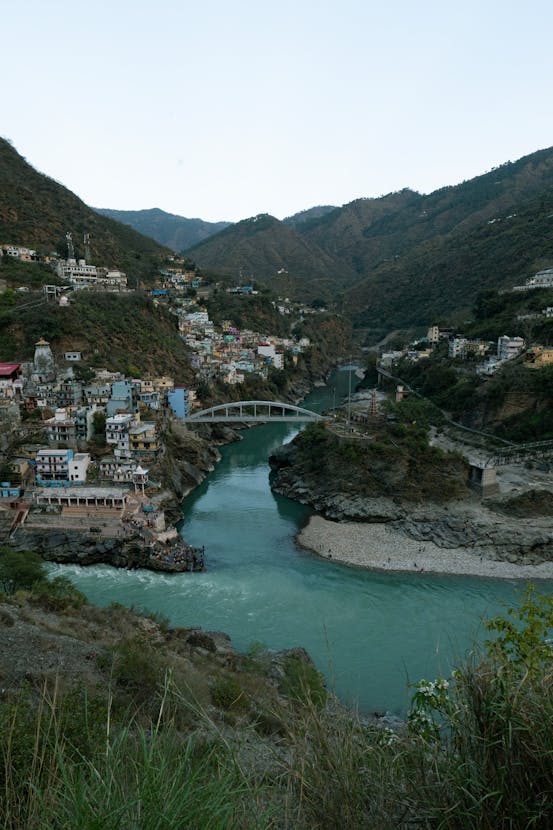
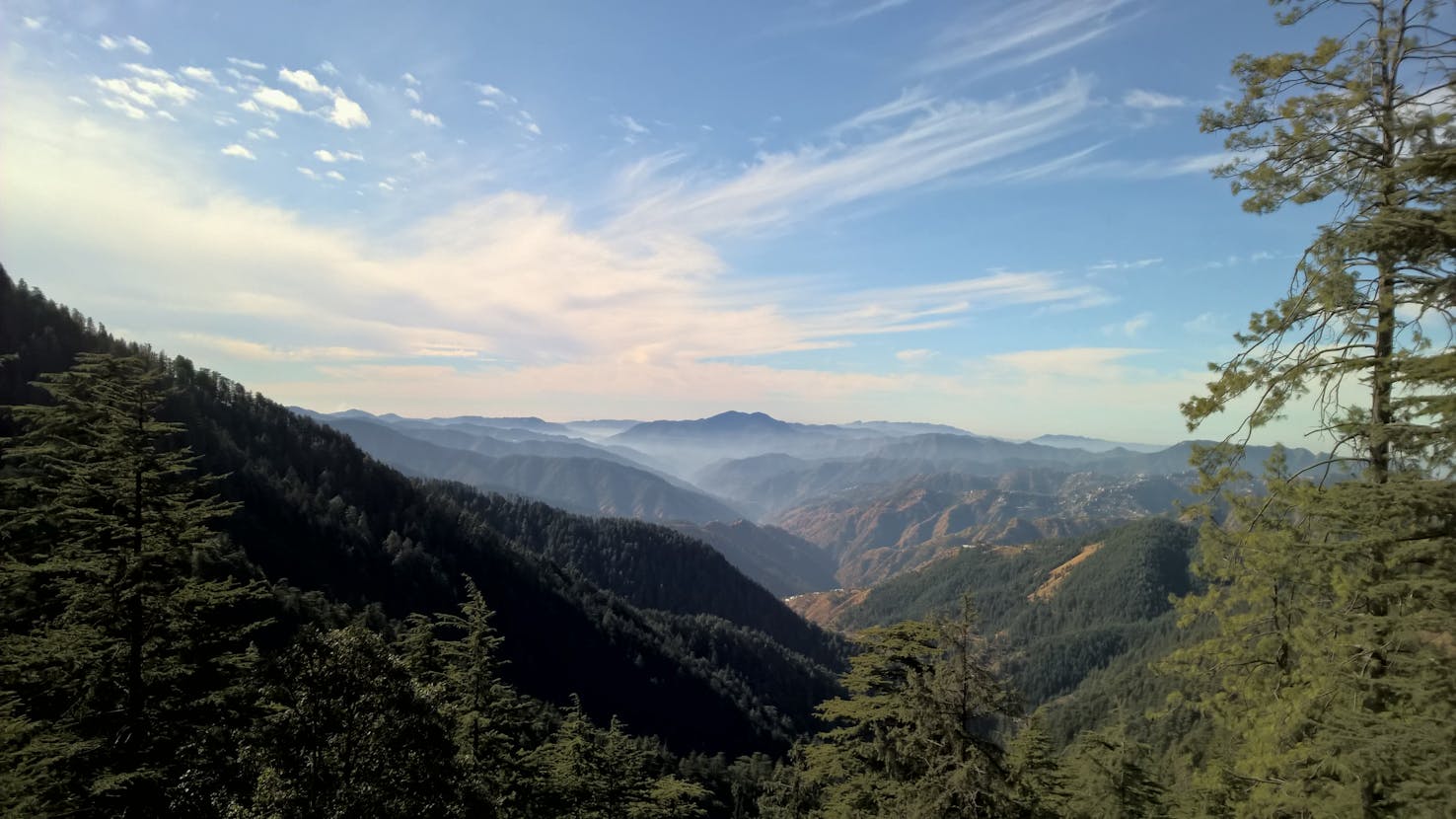
The Chardham Yatra traverses rugged terrain, high altitudes, and areas with limited modern infrastructure. Common 'चुनौतियाँ' (Chunautiyan - challenges) include:
- Physical exertion due to long journeys and treks.
- Unpredictable Himalayan 'मौसम' (Mausam - weather).
- Logistical issues like road conditions and accommodation.
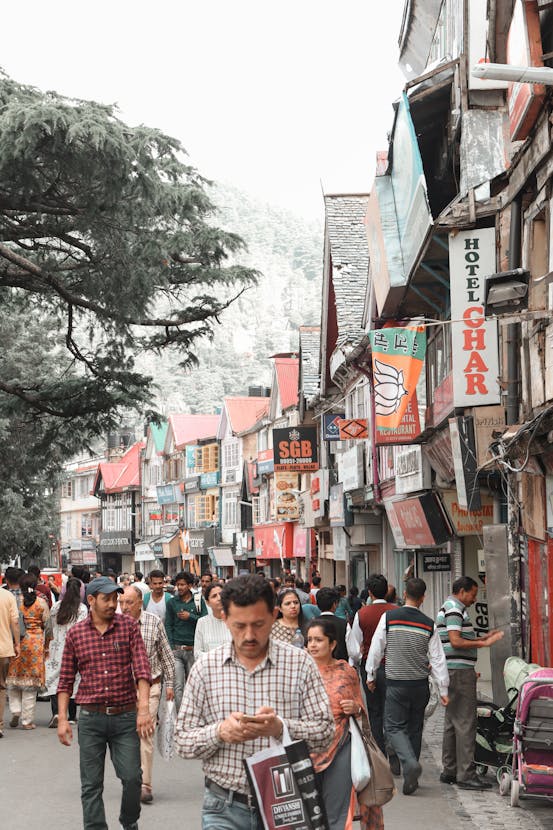
- Crowd management during peak times.
However, with proper planning, realistic expectations, and an adaptable mindset, these difficulties can be effectively managed and even transformed into opportunities for spiritual growth.
Common Challenges & How to Overcome Them
1. Physical Demands & Altitude Sickness (AMS)
- Challenge: The Yatra involves extensive travel, often long hours on winding mountain roads, and significant trekking to reach Kedarnath and Yamunotri. The high altitudes mean reduced oxygen levels, leading to Acute Mountain Sickness (AMS) symptoms like headache, nausea, dizziness, and fatigue.
- Solution:
- Pre-Yatra Fitness: Start a fitness regimen (brisk walking, light exercise, breathing exercises) several weeks or months before your trip.
- Gradual Acclimatization: Plan your itinerary with gradual ascent, including overnight halts at lower altitudes (e.g., Rishikesh/Haridwar, Uttarkashi, Joshimath) to allow your body to adjust.
- Hydration & Light Meals: Drink plenty of water and eat light, easily digestible food. Avoid heavy, oily meals.
- AMS Medication: Consult your doctor about preventive medication like Diamox if you are prone to AMS or have concerns.
- Recognize Symptoms & Descend: Do not ignore AMS symptoms. If severe, descend to a lower altitude immediately.
2. Unpredictable Weather & Terrain
- Challenge: The Himalayan weather is notoriously unpredictable, changing rapidly from sunny to rainy to cold. During the monsoon (like current July), expect heavy rainfall, dense fog, slippery paths, and increased risks of landslides ('भूस्खलन' - Bhuskhalan) and rockfalls.
- Solution:
- Check Forecasts: Monitor weather updates frequently, but be prepared for sudden changes.
- Pack in Layers: Carry versatile clothing that can be added or removed.
- Waterproof Gear: Essential items include a good quality waterproof and windproof jacket, waterproof pants, waterproof trekking shoes with excellent grip, and a rain cover for your backpack.
- Sturdy Footwear & Trekking Pole: A trekking pole significantly aids stability on uneven or slippery ground.
- Flexibility: Be prepared for travel delays or itinerary changes due to adverse weather.
- Monsoon Specific: Always travel during daylight hours. Be extra cautious on wet, muddy paths.
3. Road Conditions & Travel Delays
- Challenge: Narrow, winding mountain roads, often with heavy traffic, can lead to long and tiring journeys. Landslides and road closures (especially during monsoon) can cause significant delays.
- Solution:
- Hire Experienced Drivers/Tour Operators: Local drivers are adept at navigating these roads. Reputable tour operators handle logistics.
- Include Buffer Days: Always add at least 1-2 extra days to your itinerary to accommodate unforeseen delays.
- Start Early: Depart early in the morning to avoid traffic and reach your next destination before dark.
- Patience ('धीरज' - Dheeraj): Embrace the journey and cultivate patience. Delays are part of the Himalayan travel experience.
- Monsoon Specific: Road conditions will frequently be challenging. Expect longer travel times and potential overnight halts in unexpected locations.
4. Crowds & Long Queues
- Challenge: During the peak season (May and early June), the Dhams and major halts can be extremely crowded, leading to long queues for darshan, meals, and accommodation.
- Solution:
- Choose Off-Peak Season: The post-monsoon period (late September to mid-October) is ideal for significantly fewer crowds and pleasant weather.
- Early Morning Darshan: Arrive at the temples early in the morning to avoid the main rush.
- Prioritize Rest: Do not exhaust yourself trying to rush through everything. A well-rested pilgrim is a happy pilgrim.
5. Basic Accommodation & Food
- Challenge: While options exist, luxurious accommodation is rare. Facilities are often basic, and hygiene levels can vary. Food choices are largely vegetarian and simple.
- Solution:
- Manage Expectations: Embrace the simplicity and focus on the spiritual aspect.
- Pre-Book: Secure your accommodation, especially GMVN guest houses or reputable hotels, for better consistency and peace of mind.
- Carry Essentials: A personal medical kit, toiletries, dry snacks, and a water purification solution are invaluable.
- Food Safety: Always opt for hot, freshly cooked 'भोजन' (Bhojan - food) and drink only bottled or boiled water. This is even more crucial during monsoon.
6. Network Connectivity Issues
- Challenge: Mobile network coverage can be sporadic and unreliable, especially in remote areas and higher altitudes.
- Solution:
- Carry Multiple SIMs: From different service providers (Jio, Airtel, BSNL often have better coverage in different pockets).
- Inform Family: Let your family know about potential connectivity gaps.
- Utilize WiFi: Where available in larger hotels, though it might also be inconsistent.
7. Health & Hygiene Concerns
- Challenge: The potential for waterborne diseases and general hygiene challenges, especially in crowded areas.
- Solution:
- Strict Hygiene: Use hand sanitizer regularly, carry wet wipes.
- Safe Water: Consume only bottled water or water purified by boiling/filters.
- Monsoon Specific: Be extra vigilant about dampness, insect bites, and food/water hygiene due to increased risks of infection.
The **Chardham Yatra** is ultimately a test of resilience, faith, and patience. By acknowledging these common **'कठिनाइयाँ' (Kathinaiyan - difficulties)** and proactively preparing for them, pilgrims can transform potential obstacles into stepping stones for a profoundly rewarding spiritual experience. May your journey be blessed and comfortable.
Your Questions Answered: FAQs About Chardham Challenges
- Q1: What is Altitude Sickness (AMS), and how can I prevent it on the Chardham Yatra?
A: **AMS (Acute Mountain Sickness)** is a condition caused by reduced oxygen at high altitudes, leading to symptoms like headache, nausea, dizziness, and fatigue. To prevent it, **acclimatize gradually** (plan stops at lower altitudes), **stay hydrated**, eat light meals, avoid alcohol/smoking, and consult your doctor about preventive medication like Diamox. - Q2: How significant are road blockages during the monsoon season on the Chardham route?
A: **Road blockages due to landslides are a significant and common challenge during the monsoon season** (July-September) on the Chardham route. They can cause hours or even days of delays. Pilgrims must be prepared for this, carry extra essentials, and maintain flexibility in their itinerary. - Q3: What are the best ways to deal with large crowds and long queues at the Dhams?
A: The best ways to deal with crowds are to **choose the off-peak season** (late September to mid-October) for your Yatra. If traveling during peak season, try to arrive at the temples very early in the morning for darshan. Be patient, respect fellow pilgrims, and avoid pushing. - Q4: Is it safe to travel alone on the Chardham Yatra, given the challenges?
A: While many do travel alone, it is generally **more advisable and safer to travel with a group or through a reputable tour operator**, especially for first-timers or during challenging weather like monsoon. Having companions provides support during emergencies, navigation, and general logistics. - Q5: What should I do if I face a medical emergency in a remote area during the Yatra?
A: If you face a medical emergency in a remote area, **first, notify your travel companions or tour operator immediately**. Seek assistance from nearby locals or "sevadaars" (volunteers). Try to reach the nearest first-aid post or call the all-India emergency number **112**. In critical situations, a helicopter evacuation might be necessary, but this is highly weather-dependent, especially during monsoon. Carry your personal medical kit always.