When the Himalayas Smile: The Best Time to Visit Chardham for Pleasant Weather
Imagine standing before the divine shrines of the Chardham Yatra (चारधाम यात्रा), with crisp, clean air filling your lungs, the sun warming your skin, and the majestic Himalayas offering their clearest, most breathtaking vistas. That, my dear pilgrim, is the magic of choosing the best time to visit Chardham for pleasant weather. The Himalayas, while eternally grand, have their seasons and moods. Just like a wise elder, they can be welcoming and gentle, or formidable and challenging. Your journey's comfort, safety, and indeed, its very essence, can be profoundly shaped by the "मौसम" (Mausam - weather/season) you choose for your "यात्रा" (Yatra).
The Two Golden Windows: When the Himalayas Truly Welcome You
For pilgrims seeking the most "सुहावना" (Suhawna - pleasant) weather conditions, the Chardham Yatra has two distinct, beautiful windows:
1. Spring/Early Summer (Late April / Early May to End of June)
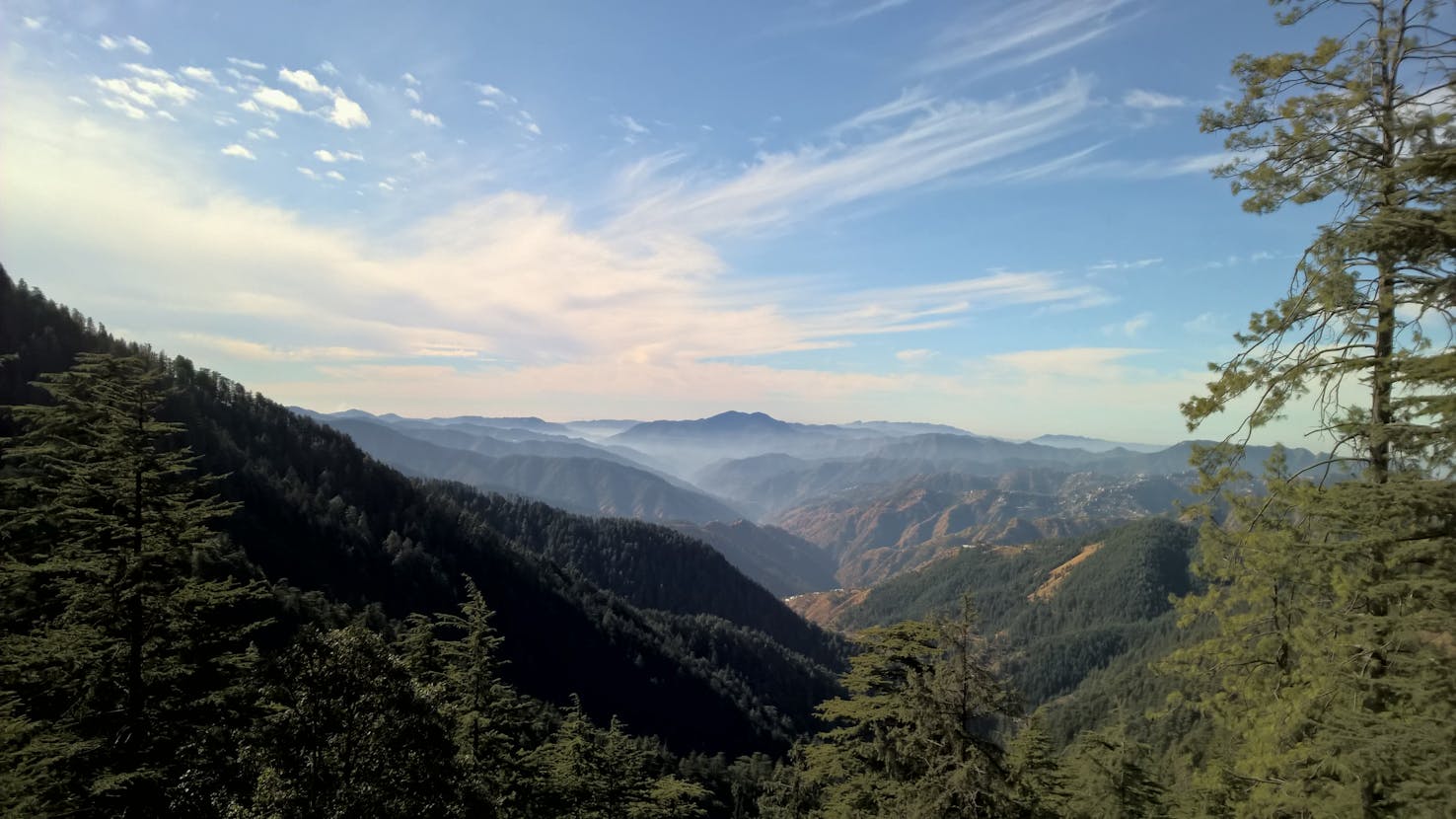
- The Awakening: This period marks the grand opening of the temple doors, usually around Akshaya Tritiya (late April/early May). It’s when the Himalayas begin to shed their icy winter blanket and burst forth with life. The melting snow feeds the sacred rivers, and the valleys come alive with vibrant greenery.
- Pros that Make You Smile:
- Mild Temperatures: Days are generally warm and comfortable, ranging from 15°C to 25°C in most areas. Evenings and nights, especially at higher altitudes, are cool but bearable.
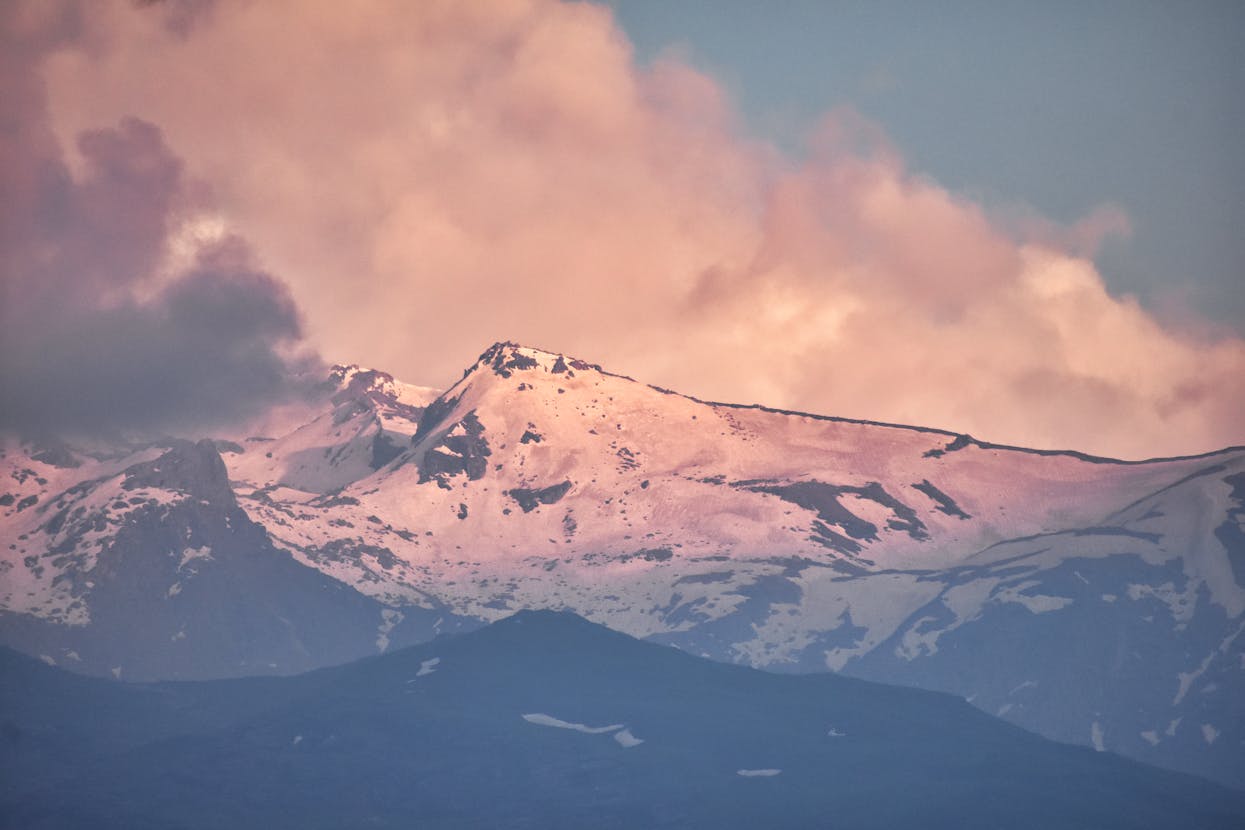
- Freshness Abounds: The air is clean, and the landscapes feel invigorated after the winter. You might still catch glimpses of snow-capped peaks up close, especially around Kedarnath and Yamunotri in early May.
- Full Services: All Yatra amenities, shops, and transport services are fully operational.
- Things to Keep in Mind:
- Peak Pilgrim Rush: This is the busiest time. Expect crowds, especially in May and early June. Accommodation and transport prices will be at their highest. Patience is your best virtue here!
- Occasional Afternoon Showers: As June progresses, especially towards the end, pre-monsoon showers can begin, making roads a bit slippery and sometimes causing minor delays.
- Residual Snow: In very early May, particularly on the trek to Yamunotri and Kedarnath, you might still encounter patches of snow, making the paths a little challenging but also offering a unique beauty.
2. Autumn (September to End of October / Early November)
- The Grand Reveal: After the monsoon's cleansing rains, the Himalayas truly reveal their majestic grandeur. The skies are generally crystal clear, offering panoramic views of snow-capped peaks that stretch for miles. The air is crisp, dry, and invigorating.
- Pros that Bring Clarity:
- Clear Skies & Views: This is arguably the best time for breathtaking mountain vistas. The clean air ensures unparalleled visibility. It's when the "प्रकृति" (Prakriti - nature) puts on its most spectacular show.
- Fewer Crowds: While still popular, the crowds are significantly thinner than in early summer, leading to a more peaceful and contemplative "यात्रा" (Yatra).
- Pleasant Days, Crisp Nights: Day temperatures are comfortable (10°C to 20°C), while nights are cool and demand proper warm clothing.
- Lush Greenery: The monsoon leaves behind a vibrant green landscape, which starts to turn golden as autumn progresses.
- Things to Keep in Mind:
- Getting Colder: As October advances, especially towards the end, temperatures drop significantly. Heavy woolens are essential, particularly at night and in the higher Dhams.
- Early Snowfall Risk: Towards late October or early November, higher reaches like Kedarnath and Yamunotri might experience early snowfall, which could lead to temporary road closures or make treks more challenging.
- Temple Closing Dates: The Dhams close for winter around Diwali, typically in late October or early November. Ensure your trip concludes before these dates.
When to Be Cautious: The Monsoon Challenge (July & August)
Recommendation: Generally advisable to AVOID traveling during peak monsoon season.
- Nature's Fury: While the monsoon brings a lush, almost mystical green hue to the "हिमालय" (Himalaya), it also brings heavy "बारिश" (Barish - rain), frequent landslides, road blockages, and increased risks.
- Challenges You'll Face:
- Road Disruptions: Landslides can cause significant delays, sometimes stranding travelers for days. Roads become slippery and dangerous.
- Obscured Views: Thick clouds often shroud the peaks, denying you the stunning vistas you traveled so far to see.
- Health Risks: Increased humidity and stagnant water can raise the risk of waterborne diseases. Trekking paths become extremely slippery and treacherous.
- Flash Floods: Rivers can swell dangerously.
- Unless you are an experienced mountaineer or have a very specific reason, traveling during July and August for the Chardham Yatra is not recommended for the average pilgrim. Your "सुरक्षा" (Suraksha - safety) should always come first.
When the Dhams Retreat: The Winter Silence (Mid-November to Late April)
During these months, the Dhams are typically "बंद" (Band - closed) due to heavy snowfall, and the idols are shifted to their winter abodes at lower altitudes. Roads are completely blocked, and conditions are extreme. This period is for extreme adventure enthusiasts, not for pilgrims intending to visit the temples.
Final Thoughts: Flexibility is Key
While planning for the "best time" (submitting this response in July 2025, which is monsoon season!), remember that Himalayan weather can be famously unpredictable, even within the best windows. Always pack layers for varying temperatures, be prepared for sudden changes, and maintain a flexible mindset. Keep an eye on local weather forecasts and road condition updates.
By aligning your "यात्रा" (Yatra) with the most welcoming "मौसम" (Mausam) of the Himalayas, you ensure that your focus remains on the spiritual essence of the journey, unburdened by undue physical hardship. Choose wisely, and let the mountains smile upon your pilgrimage!