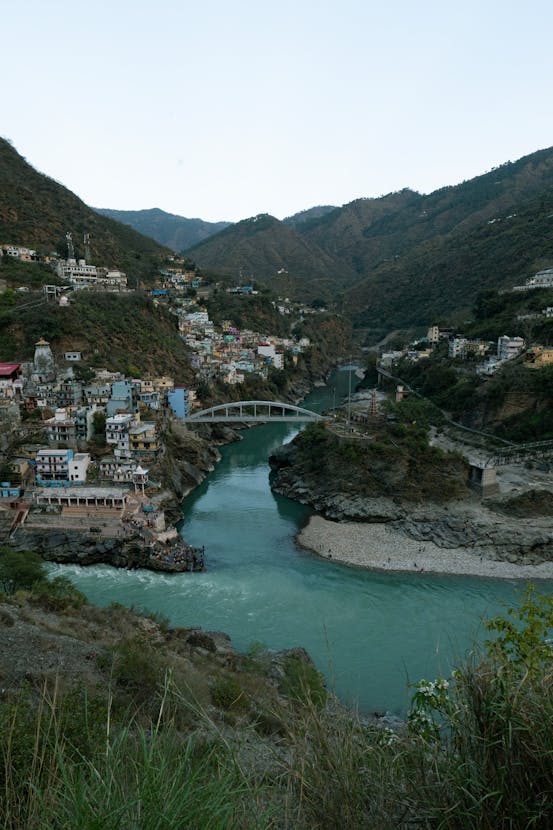
Adi Badri: Unveiling Chamoli's Ancient "First Badri" Temple!
Namaste, history buffs and spiritual explorers! Venture into the tranquil Pindar Valley of the Chamoli district, and you'll discover Adi Badri, a sacred site of profound historical and spiritual significance. Adi Badri, meaning "First Badri," is believed to be the earliest temple established by Adi Shankara among the Panch Badri temples (the five Badri shrines). This complex of sixteen small temples, with the main temple dedicated to Lord Vishnu, offers a serene and ancient atmosphere, a stark contrast to the bustling modern pilgrimage sites.
In 2025, step back in time at Adi Badri. Feel the echoes of ancient devotion, admire the unique temple architecture, and immerse yourself in the tranquil energy of this foundational spiritual spot in Uttarakhand. Ready to discover where it all began?
Adi Badri: The Genesis of a Sacred Tradition
- The "First Badri": Adi Badri is considered the first of the Panch Badri temples to be established by the great saint and philosopher Adi Shankara in the 8th century AD. It served as a significant center of worship before Badrinath became the primary shrine.
- Cluster of Temples: The complex comprises 16 small temples, though only 7-8 are actively maintained. The main temple is dedicated to Lord Vishnu, represented by a black stone idol.
- Historical Significance: These ancient temples provide valuable insights into early Hindu temple architecture and the development of pilgrimage routes in the Himalayas.
- Peaceful Ambiance: Located away from major highways, Adi Badri offers a quiet and contemplative atmosphere, perfect for spiritual reflection and historical appreciation.
- Pilgrimage Importance: It is a crucial part of the Panch Badri circuit, and pilgrims often visit it after completing the main Char Dham Yatra or as a standalone spiritual trip.
Important Tips for Visiting Adi Badri (2025)
- Location & Access: Adi Badri is located near the Karna Prayag-Ranikhet road, about 17 km from Karna Prayag in the Chamoli district. It's easily accessible by road from major towns.
- Best Time to Visit: The temple can be visited year-round, road conditions permitting. March to June and September to November offer the most pleasant weather for exploration.
- Explore the Complex: Take your time to walk around the entire complex, observing the architectural details of the various small temples.
- Dress Modestly: As a sacred site, it's important to dress respectfully.
- Local Interactions: Engage with the temple priests or local caretakers; they can often share interesting historical anecdotes and legends.
- Photography: Capture the ancient beauty, but always be mindful of temple rules regarding photography inside the sanctum.
- Combine with Karna Prayag: Adi Badri can be easily visited as a half-day trip from Karna Prayag.
Adi Badri is a journey into the very roots of Himalayan pilgrimage, offering a unique blend of historical discovery and spiritual peace. Don't miss this hidden gem!
FAQs about Adi Badri
Q1: Why is it called "Adi Badri"?
A1: "Adi" means first. It is believed to be the first Badri temple established by Adi Shankara among the Panch Badri temples.
Q2: How many temples are there in the Adi Badri complex?
A2: The complex consists of a cluster of 16 small temples, with the main one dedicated to Lord Vishnu.
Q3: Where is Adi Badri located in Chamoli?
A3: Adi Badri is located near Karna Prayag, on the Karna Prayag-Ranikhet road in the Chamoli district.
Q4: Is Adi Badri part of the Panch Badri circuit?
A4: Yes, Adi Badri is one of the five sacred Panch Badri temples (Badrinath, Yogadhyan Badri, Bhavishya Badri, Vriddha Badri, and Adi Badri).
Q5: What is the best time to visit Adi Badri?
A5: The temple is accessible throughout the year. March to June and September to November offer pleasant weather for exploration.
Q6: Can I find accommodation near Adi Badri?
A6: Basic accommodation might be available in nearby villages. Most visitors visit it as a day trip from larger towns like Karna Prayag or Rudraprayag.