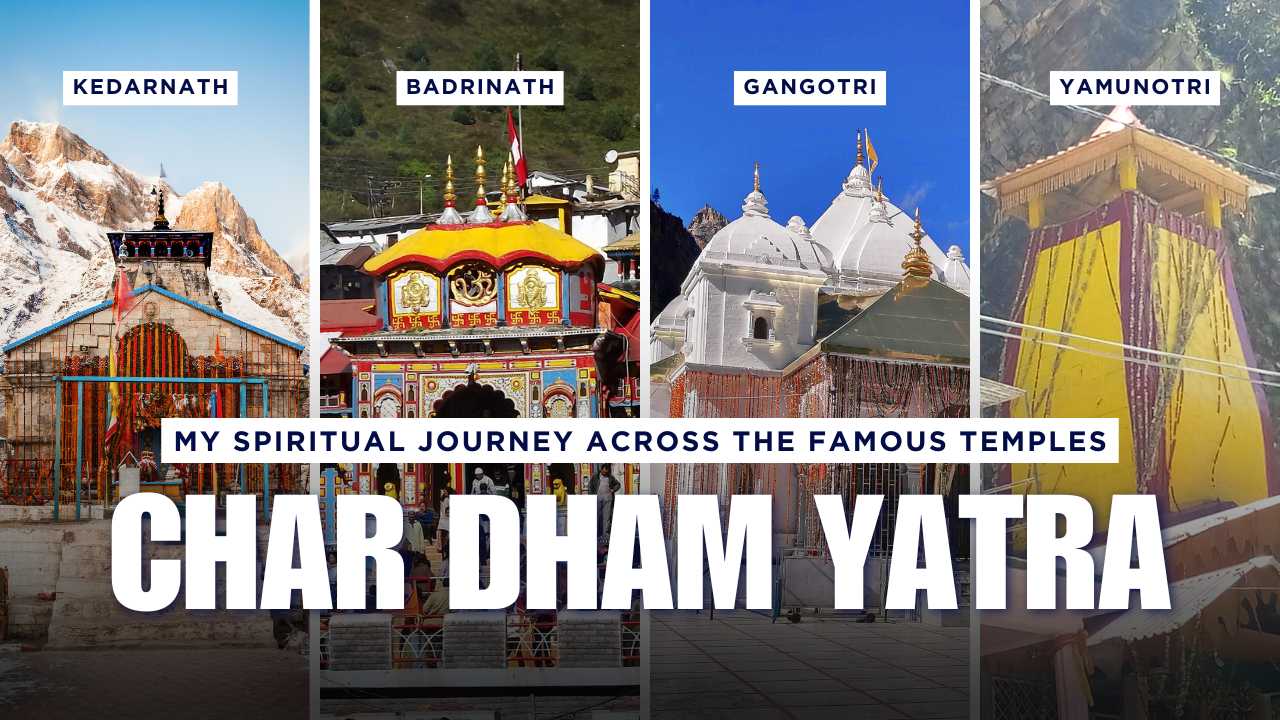
Can I take my own car for Chardham yatra?
Quick answer: Yes, you can take your own car for most legs of the Char Dham Yatra 2026, but there are important limitations, seasonal closures, parking rules, local regulations and safety considerations to be aware of. This comprehensive guide explains everything a careful Indian pilgrim needs to know: the practical realities of driving in the Himalaya, required permits and documents, route by route details, safety and vehicle preparation, sample itineraries, budget tips, alternatives and a detailed FAQ section.
Why consider taking your own car?
Driving your own car gives flexibility, privacy and the ability to set your own pace. Families and groups often prefer private vehicles for comfort during long transfers, to carry personal items and to rest between stops. A private car also helps when carrying medical supplies or items of sentimental value for offerings at temples.

High level considerations before you decide
- Road access: Most major stretches to Haridwar, Rishikesh, Barkot, Uttarkashi, Joshimath and Badrinath are fully motorable in open season. However final approaches to Yamunotri and Kedarnath require non motorable travel for part of the route in many cases.
- Seasonality: Monsoon and winter can close passes. Plan in May to June or September to October for reliable access, and always check local advisories before departure.
- Permits and parking: Some areas require permits or have regulated parking near temple complexes. Follow local signage and temple management rules.
- Driver skill and fatigue: Mountain driving is demanding. Drivers must be experienced on narrow, winding roads and ready for long hours with frequent stops.
Essential documents and checks for your car
- Valid driver license for the person driving the vehicle.
- Vehicle registration certificate.
- Insurance papers including valid third party and comprehensive cover.
- Pollution under control certificate if applicable in your state.
- Roadside assistance and contact numbers for local mechanics or towing services.
- Mobile numbers of local tourist police and nearest hospital.
Vehicle preparation checklist
Ensure your car is in top mechanical condition before you start. A mountain breakdown is costly and stressful.
- Full service and engine oil top up.
- Tyre check including spare tyre, jack and puncture kit. Consider all terrain tyres if available.
- Brake check and cooling system inspection.
- Battery health check and carry jumper cables.
- Emergency kit with basic tools, torch, warm blankets, first aid kit, medicines and drinking water.
- Fuel planning: keep tank above half in remote stretches and know fuel stop locations.
Route by route details for private cars
This section gives practical details for each shrine so you know exactly where cars can go and where they cannot.
Yamunotri
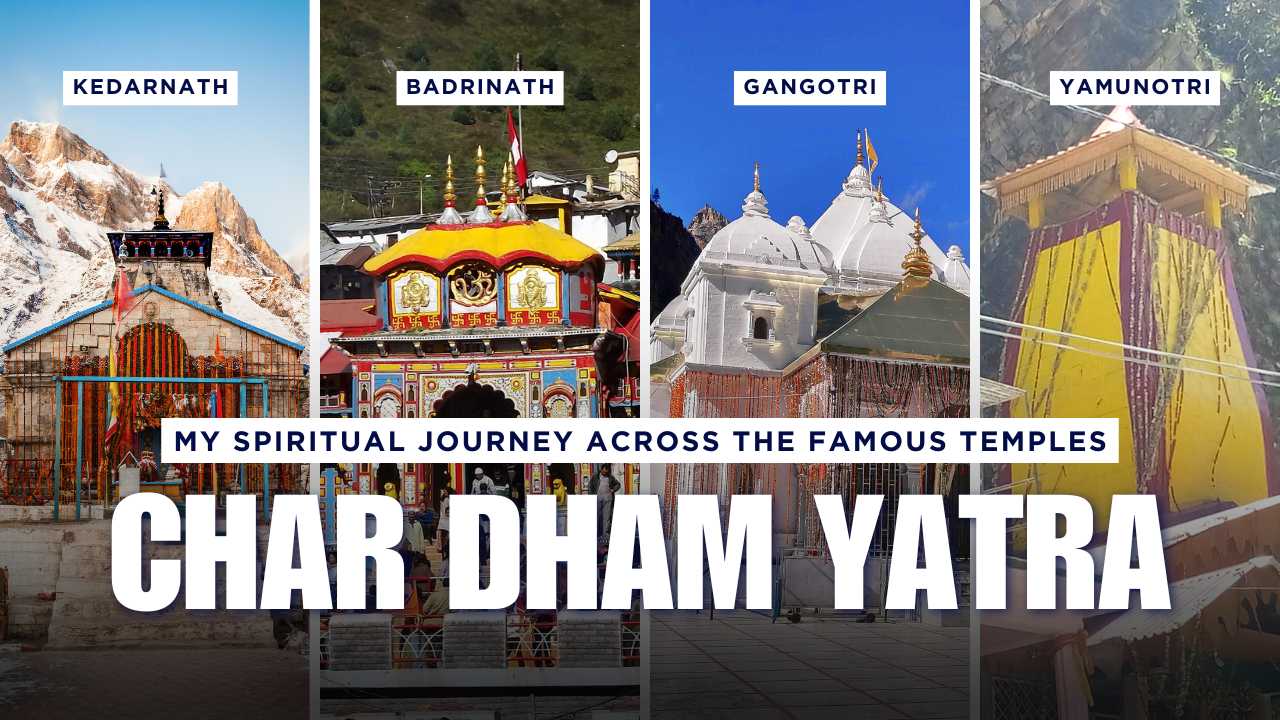
Roads reach Jankichatti or Kharsali in the Yamunotri region depending on the route and season. From the motorable point there is a steep ascent to the Yamunotri temple which is usually done on foot, by palki or on pony. Your car can reach the base but not the final steps to the temple in most cases.
- Motorable limit: Jankichatti or Kharsali depending on road conditions.
- Parking: Designated parking at motorable base towns. Carry small change for parking attendants.
Gangotri
Gangotri is largely motorable up to the temple during the open season. Your car can reach Gangotri town where parking is available near temple precincts. Roads are narrow but maintained. Expect slow transit on busy pilgrim days.

Kedarnath
Kedarnath is the special case. Roads reach Gaurikund or Sonprayag but the last 14 km to Kedarnath temple is a trekking route or a helicopter route. Your car can take you only to Gaurikund or Sonprayag. From there options are trek, pony, palki or helicopter.
- Motorable limit: Gaurikund / Sonprayag.
- Parking: Available at Gaurikund and Sonprayag with paid parking and assistance.
- Helicopter transfer: Available seasonally from select helipads like Phata or from nearby towns. Advance booking recommended during peak season.
Badrinath
Badrinath is motorable up to the temple in the open months. Your car can go up to the temple parking area. Note that temple precincts may have pedestrian-only zones and security checks. Plan for parking and short walks from car park to temple.
Permits, regulations and local rules
Different local authorities may require permits for entry into restricted zones or for vehicles during certain months. Always verify:
- State permits for protected or restricted mountain zones if required.
- Temple trust rules on vehicle access and parking.
- Any temporary restrictions due to festivals, road repairs or environmental protection measures.
Safety recommendations for mountain driving
- Do not drive at night on narrow Himalayan roads unless absolutely necessary.
- Drive slow on blind corners and honk at designated blind curves where local practice indicates.
- Use low gears on steep ascents and descents to preserve brakes.
- Avoid overtaking on narrow stretches and during heavy rainfall or snowfall.
- Stop for frequent rest breaks to avoid driver fatigue.
When taking your own car is not the best idea
There are situations where a private car brings more hassle than benefit:
- If road access is uncertain due to weather, consider shared transport to avoid being stranded with a private vehicle.
- During peak pilgrimage rush, parking and congestion at base towns can be challenging.
- If the driver does not have mountain driving experience, it is safer to hire an experienced driver or use a tour operator vehicle.
Legal and environmental responsibilities
Drivers must respect local rules that aim to reduce pollution and preserve fragile Himalayan ecology. Avoid littering, follow designated parking spots and observe noise reduction norms in sanctified zones. Some routes have diesel or petrol restrictions; follow fuel regulations and do not park in a manner that blocks emergency access.
Sample car friendly 10 day itinerary
- Day 1: Drive from Delhi to Haridwar. Rest and prepare permits and paperwork.
- Day 2: Haridwar to Barkot with planned fuel and stretch stops.
- Day 3: Barkot to Jankichatti by car and local transfer to Yamunotri approach.
- Day 4: Return to Barkot and drive to Uttarkashi with an easy pace.
- Day 5: Uttarkashi to Gangotri by car with early start to avoid traffic.
- Day 6: Gangotri to Rudraprayag replacing long drives with comfortable halts.
- Day 7: Rudraprayag to Sonprayag for Kedarnath base parking and helicopter options.
- Day 8: Kedarnath visit via helicopter or trek depending on plan; car awaits at Sonprayag.
- Day 9: Drive to Joshimath and onwards to Badrinath the next morning.
- Day 10: Badrinath darshan and return drive to Haridwar.
Parking and night halt tips
- Always park in designated zones and collect parking receipt for security.
- Night halts are safer in towns with good hotel options rather than remote parking stops.
- Consider hotels that provide guarded parking and shuttle service to the temple.

Cost considerations of taking your own car
Costs include fuel, tolls, parking, vehicle wear and tear, accommodation and potential towing or repair costs. Budget for contingencies and factor in driver allowances if you hire a local driver for mountain legs. Compare this with package options that include transport and permits for a bundled price. Booking through operators often simplifies logistics and reduces risk of unexpected costs.
Alternatives to taking your own car
- Hire a private taxi or SUV with an experienced driver familiar with mountain routes.
- Book a Char Dham package that includes transport, permits and local logistics; this reduces planning burden.
- Use shared cabs or government buses for budget conscious pilgrims.
- Helicopter transfers for remote legs like Kedarnath reduce physical strain and travel time at a higher cost.
Useful links and official resources
Before travel, check official sites for road status, permits and seasonal closures. The Uttarakhand tourism portal provides updates and advisories. For booking and package options look into reliable operators that list services and car support. Example resources include Uttarakhand Tourism, Badrinath Kedarnath official portal and trusted tour pages like tour packages.
Frequently Asked Questions (FAQs)
Q1: Can I drive my own car all the way to Kedarnath temple?
A: No. Roads reach Gaurikund or Sonprayag, but the final approach to Kedarnath temple is a trekking route or helicopter. Park at the motorable base and use local options for the last leg.
Q2: Is there any restriction on private vehicles at Badrinath or Gangotri?
A: Private vehicles can reach Badrinath and Gangotri during open months, but temple precincts may have pedestrian zones and parking regulations. Follow local instructions.
Q3: Are permits required for driving certain sections?
A: Some areas may have temporary permits or road regulations. Check with local authorities or your tour operator. Keep vehicle documents handy.
Q4: Is it safe to drive a sedan in hilly sections or is an SUV recommended?
A: Sedans can manage well maintained roads but SUVs provide better ground clearance and stability on rough sections. Choose a vehicle suited to your comfort and road conditions.
Q5: What happens if my car breaks down in a remote area?
A: Keep emergency contacts, local mechanic numbers and roadside assistance. If breakdown occurs in remote areas, contact tourist police and your tour operator for help. Avoid driving in risky weather that may increase breakdown risk.
Final checklist before you go
- Complete vehicle service and collect all documents.
- Plan fuel stops and overnight halts with secure parking.
- Inform family about the itinerary and share driver contact details.
- Pack emergency and medical kits and avoid night driving on unfamiliar mountain stretches.
- Consider travel insurance that covers vehicle recovery and medical evacuation.
Conclusion
Taking your own car for Char Dham Yatra 2026 is feasible and often rewarding. It gives independence and comfort, but demands extra planning, safety preparation and awareness of local rules. For Yamunotri and Kedarnath be prepared to park at motorable bases and use local transport for the final approach. For Gangotri and Badrinath a private car can take you very close to the temple in the open season. Balance the convenience of a private vehicle with practical realities of mountain travel, and consider hiring an experienced driver or using a trusted tour operator if you prefer to reduce risk. With the right preparation your car can be a reliable companion on a spiritually meaningful journey.
For curated packages and operator support see IshtaDevta tour packages and check live advisories at Uttarakhand Tourism.