Breathing Easy at High Altitudes: Is a Portable Oxygen Cylinder Essential for Senior Chardham Pilgrims?
The spiritual yearning to undertake the sacred Chardham Yatra (चारधाम यात्रा) is strong at any age, and many senior citizens feel a profound call to these divine destinations. While age is certainly not a barrier to devotion, the high altitudes of the Himalayas present unique challenges, particularly for older pilgrims. A question often arises: **Is a portable oxygen cylinder necessary for senior citizens visiting Chardham Yatra at high altitudes?** The simple answer is that while not always strictly mandatory, it is a highly recommended and often essential safety precaution that can make a significant difference to their comfort and well-being, especially when starting their journey from a lower altitude city like Haridwar.
The Challenge of High Altitudes for Seniors
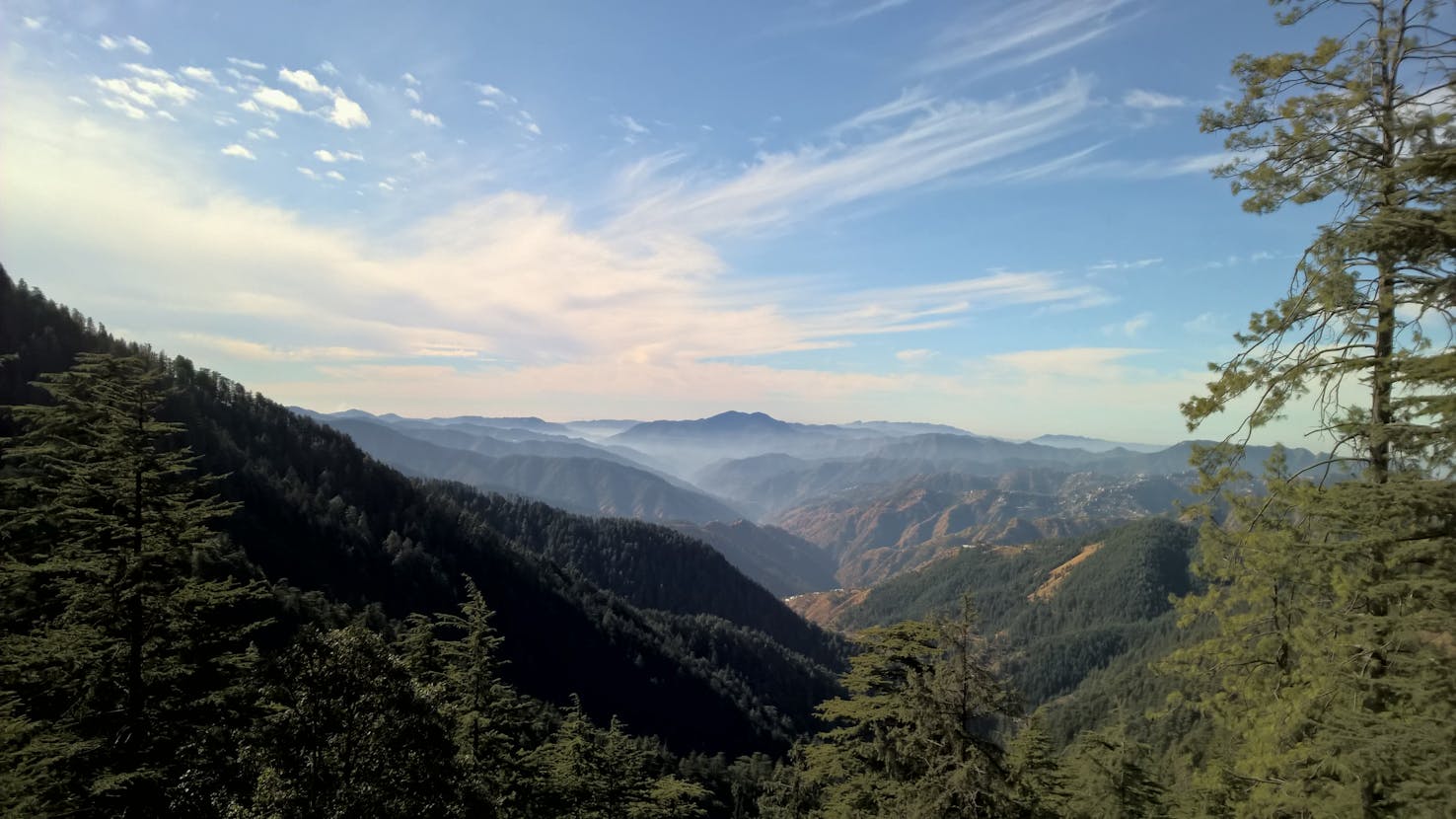
As you ascend to higher altitudes, the air becomes "पतली" (Patli - thin), meaning there is less oxygen available with each breath. Your body has to work harder to get the oxygen it needs. For senior citizens, whose bodies may already have reduced lung capacity, weaker hearts, or underlying health conditions, this reduced oxygen can lead to:
- Faster Onset of AMS: Acute Mountain Sickness (AMS) symptoms such as headache, nausea, dizziness, fatigue, and breathlessness can appear more quickly and be more severe.
- Exacerbated Existing Conditions: High altitude can put extra strain on the heart and lungs, worsening pre-existing conditions like asthma, heart disease, or high blood pressure.
- Slower Acclimatization: Older bodies generally take longer to adjust to lower oxygen levels.
Why a Portable Oxygen Cylinder is More Than Just a Recommendation
For senior pilgrims, a portable oxygen cylinder can be a genuine "जीवन रक्षक" (Jeevan Rakshak - lifesaver) or at least a significant comfort provider:
- Immediate Relief: A few puffs of oxygen can provide instant relief from breathlessness, dizziness, and mild headaches associated with AMS, allowing the pilgrim to feel more comfortable.
- Aids Acclimatization: Using oxygen intermittently during rest periods or during ascent can help the body adjust more smoothly to the higher altitude, reducing the chances of severe AMS.
- Bridge to Medical Aid: In remote areas where immediate medical help may be hours away (especially if roads are blocked during monsoon), oxygen can sustain a pilgrim until professional "सहायता" (Sahayata - help) arrives or they can be safely descended to a lower altitude.
- Peace of Mind: For the senior pilgrim and their accompanying family members, knowing that immediate oxygen is available provides immense reassurance and reduces anxiety.
Who Specifically Benefits Most from Portable Oxygen?
- All Senior Citizens (especially 60+): Even seemingly healthy seniors can be susceptible to AMS.
- Individuals with Pre-existing Conditions: Those with a history of heart conditions, respiratory issues (like asthma, COPD), anemia, or uncontrolled diabetes should seriously consider carrying oxygen.
- Pilgrims with Limited Physical Fitness: If physical exertion is a challenge, oxygen can help manage breathlessness.
- Anyone Experiencing Early AMS Symptoms: Even younger pilgrims can benefit if they feel early signs of AMS.
Understanding Oxygen Availability and Usage
- Types of Cylinders: You can find small, lightweight disposable canisters (good for immediate, short-term relief) or larger, refillable cylinders (for more sustained use, but heavier).
- Where to Acquire:
- Major Towns: Portable oxygen cylinders are available for purchase or rent in larger towns like Haridwar, Rishikesh, and Dehradun before you start your high-altitude journey.
- On the Yatra Route: You can also find shops or medical posts that offer oxygen cylinders for rent or purchase in towns closer to the Dhams, such as Guptkashi, Joshimath, Badrinath, and the base camps for Kedarnath. Your tour operator might also arrange this.
- Proper Usage: Always follow the instructions provided with the cylinder. Remember, oxygen provides relief but for severe AMS, descent to a lower altitude is the primary treatment. Do not self-medicate without proper understanding or advice.
Beyond Oxygen: Holistic Health Preparation for Seniors
While a portable oxygen cylinder is a vital tool, it is part of a larger health preparedness strategy for senior pilgrims:
- 1. Prior Medical Check-up: This is non-negotiable. Senior citizens must get a thorough medical check-up and a doctor's clearance explicitly for high-altitude travel. Discuss your Yatra plan with your physician.
- 2. Acclimatization is Key: Ascend slowly. Spend at least one full day at intermediate altitudes (e.g., Haridwar, Rishikesh, then perhaps Guptkashi/Joshimath) to allow the body to adjust gradually. This is the best prevention against AMS.
- 3. Hydration & Diet: Drink plenty of bottled or boiled 'पानी' (Pani - water) to stay well-hydrated. Eat light, digestible 'सात्विक भोजन' (Sattvic Bhojan - pure vegetarian food). Avoid alcohol, smoking, and heavy meals.
- 4. Walk Slowly & Rest Often: Do not rush. Walk at a very slow pace, take frequent breaks, and get adequate rest each night. Overexertion can trigger AMS.
- 5. Carry All Regular Medications: Ensure you have sufficient supply of all your prescribed medications for the entire duration of the trip, plus a few extra days' buffer. Carry copies of your prescriptions.
- 6. Listen to Your Body: This is perhaps the most important advice. Any unusual symptom, however mild, should be addressed immediately. Do not ignore warning signs. Rest, use oxygen if available, and if symptoms persist or worsen, consider descending to a lower altitude immediately.
Monsoon Season Considerations (July 2025)
Pilgrimage during the monsoon can add layers of complexity:
- Increased Challenges: High humidity, colder temperatures, and the physical strain of navigating slippery paths in rain can exacerbate breathing difficulties for seniors.
- Delayed Aid: Landslides and road blockages, common in monsoon, can delay access to professional medical help. This makes having immediate oxygen access even more critical.
- Dampness & Cold: Ensure seniors are kept warm and dry at all times to prevent respiratory issues like colds, coughs, and chest infections.
In conclusion, while not every senior pilgrim may explicitly require a portable oxygen cylinder, it is an extremely smart and proactive precaution, especially for those undertaking the Chardham Yatra to high altitudes. It contributes significantly to a safer, more comfortable, and truly spiritual 'दिव्य यात्रा' (Divya Yatra - divine journey) for our esteemed senior citizens. Their well-being is paramount for a blessed pilgrimage!
Your Questions Answered: FAQs About Oxygen for Seniors on Chardham Yatra
- Q1: At what altitude should senior citizens consider using portable oxygen during the Chardham Yatra?
A: Senior citizens should consider using portable oxygen whenever they feel breathless or experience mild symptoms of AMS, generally **above 8,000-10,000 feet (approx 2,500-3,000 meters)**, which includes destinations like Kedarnath and Badrinath. It can also be used preventively during ascent to help the body acclimatize better. - Q2: Can a portable oxygen cylinder truly prevent severe Acute Mountain Sickness (AMS)?
A: A portable oxygen cylinder can provide significant relief from mild to moderate AMS symptoms and help in prevention by aiding acclimatization. However, it **cannot prevent severe AMS** if proper acclimatization is not followed, or if the individual's body does not adapt. For severe AMS, immediate descent to a lower altitude is the most effective treatment. - Q3: Where can senior citizens rent or purchase portable oxygen cylinders in Haridwar or on the Chardham route?
A: Senior citizens can rent or purchase portable oxygen cylinders in larger towns like **Haridwar, Rishikesh, and Dehradun** before starting the Yatra. Along the route, options are available in towns such as **Guptkashi, Sonprayag, Joshimath, and near the Dhams**. It is advisable to inquire with your tour operator or local medical stores. - Q4: Are there any side effects or risks associated with using portable oxygen for seniors?
A: When used correctly and intermittently for relief from altitude-related symptoms, portable oxygen for seniors is generally **safe and has minimal side effects**. However, it is important to follow the instructions provided with the cylinder and avoid continuous high-flow oxygen without medical supervision. Always consult a doctor for personalized advice. - Q5: What is the most important health advice for seniors undertaking the Chardham Yatra, even with oxygen?
A: The most important health advice for seniors is **slow and gradual acclimatization**. Do not rush. Spend ample time resting at lower altitudes. Listen carefully to your body for any signs of discomfort or illness. Drink plenty of 'पानी' (Pani - water) and avoid overexertion. Even with oxygen, these foundational health practices are paramount for a safe 'यात्रा' (Yatra).