Malari Village: Where Ancient Traditions Thrive in High Himalayas!
Namaste, cultural explorers and curious wanderers! Nestled deep within the remote and enchanting Niti Valley of Chamoli district lies Malari Village, a captivating settlement that offers a rare glimpse into a unique Himalayan way of life. This high-altitude village is home to the vibrant Bhotia tribe, whose distinct Indo-Mongolian cultural heritage, traditional architecture, and centuries-old customs make it a fascinating stop for anyone seeking an authentic experience beyond the usual tourist circuit.
In 2025, with improved accessibility to Niti Valley, Malari invites you to witness its charm. Explore its quaint lanes, admire the intricate wooden houses, and interact with the warm and welcoming locals who have preserved their traditions amidst the stunning backdrop of the Dronagiri mountain. Get ready for a cultural immersion like no other!
Malari Village: A Cultural Tapestry Woven in the Mountains
- Unique Indo-Mongolian Culture: The Bhotia community of Malari has a distinct culture, language, and traditional dress that reflects their historical ties and trade relations with Tibet.
- Traditional Architecture: Marvel at the beautiful wooden houses, often multi-storied, designed to withstand harsh Himalayan winters. These homes are a testament to local craftsmanship.
- Ancient History: Malari and its surrounding areas have yielded archaeological findings (including ancient burial sites) that suggest a rich historical past and early human settlements.
- Gateway to Inner Niti: Malari serves as a key village for those venturing deeper into the Niti Valley, acting as a small hub for supplies and local information.
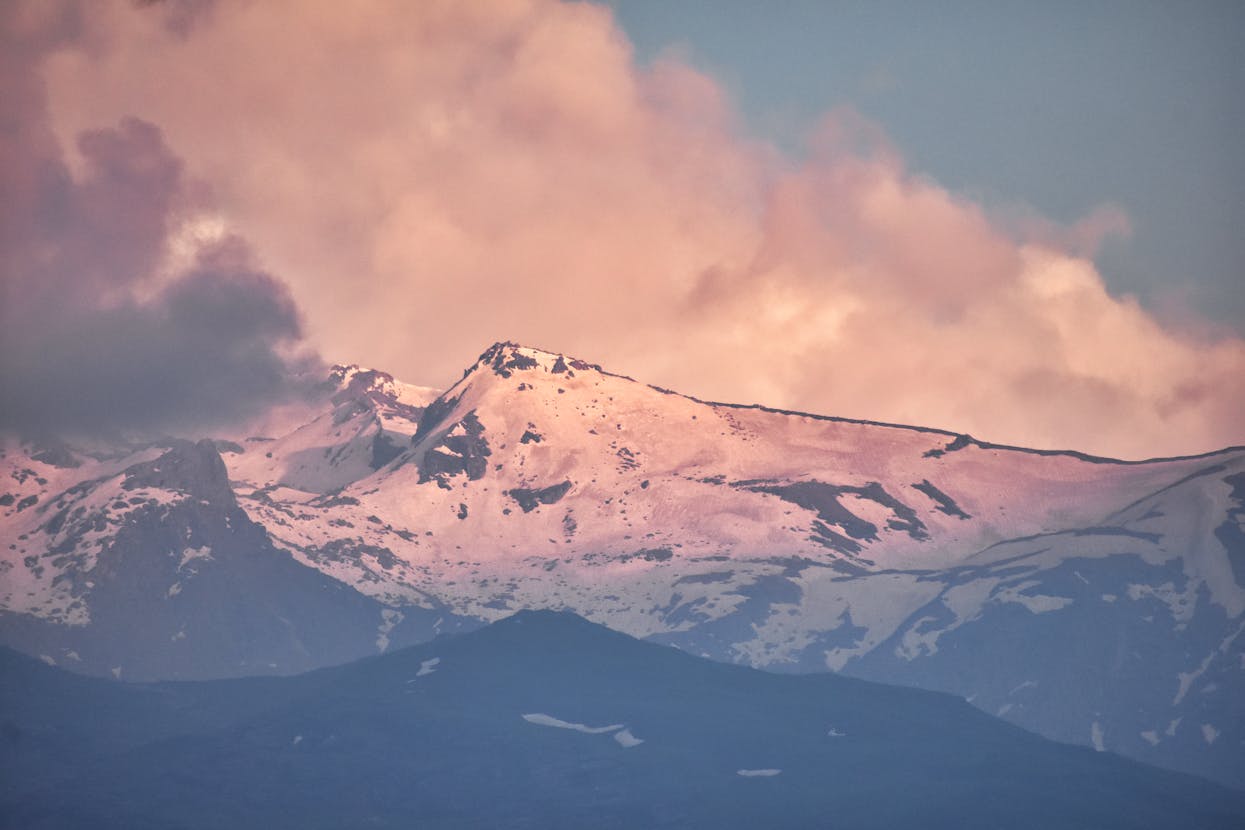
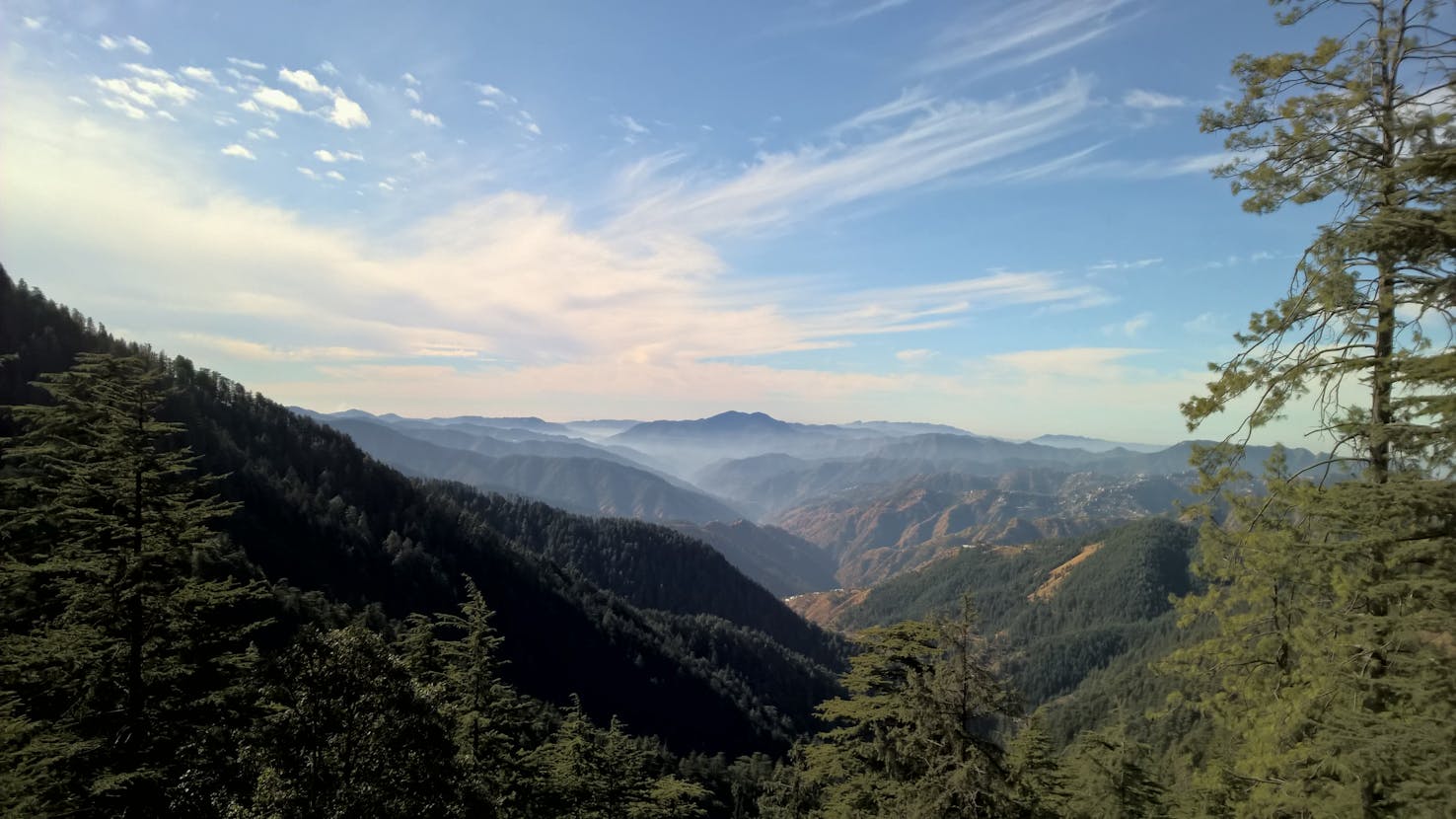
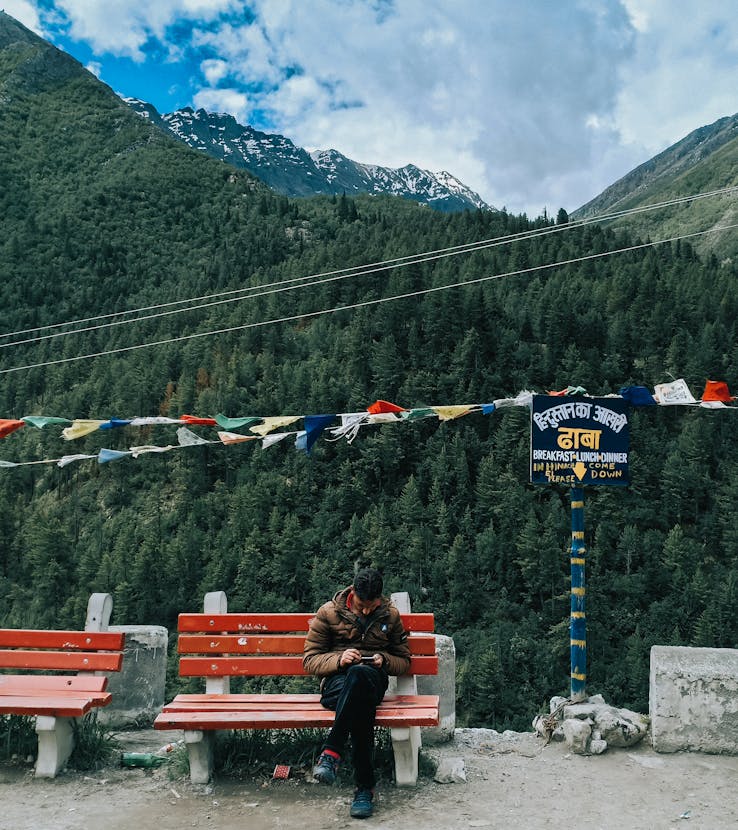
- Scenic Setting: The village is set amidst breathtaking natural beauty, with terraced fields, lush greenery (in summer), and towering peaks, including the majestic Dronagiri.
- Local Hospitality: Experience the genuine warmth and hospitality of the Bhotia people, who are often keen to share their culture and stories.
Important Tips for Visiting Malari Village (2025)
- Permits are Crucial: As Malari is located in the Niti Valley (a border area), special permits are typically required for Indian and foreign nationals. Ensure you obtain these from the District Magistrate's office in Chamoli or Joshimath beforehand.
- Best Time to Visit: The village is accessible from May to October. September-October offers pleasant weather and clear skies, while May-June is also good. Winters are harsh and roads might be blocked.
- Basic Amenities: Expect very basic guesthouses or homestays. Electricity and mobile network connectivity can be unreliable. Embrace the simplicity.
- Acclimatization: Malari is at a high altitude. Allow yourself time to acclimatize (perhaps staying a night in Joshimath first) to avoid altitude sickness.
- Road Conditions: The road to Malari from Joshimath can be narrow and challenging, especially after monsoon. Check conditions before traveling.
- Respect Local Culture: Be respectful of local traditions and customs. Always ask for permission before taking photographs of people or inside homes.
- Support Local Economy: Purchase local handicrafts or use homestay services to support the villagers.
Malari Village is a journey into a living museum, where every corner whispers tales of ancient times and resilient communities. Come, unravel its secrets and be captivated!
FAQs about Malari Village
Q1: What makes Malari Village unique in Chamoli?
A1: Malari is unique for its distinct Indo-Mongolian Bhotia culture, traditional wooden architecture, and its remote location in the Niti Valley near the border.
Q2: Do I need a permit to visit Malari Village?
A2: Yes, special permits from the District Magistrate's office are generally required for visitors to Malari and other villages in the Niti Valley, as it's a border area.
Q3: What is the best time to visit Malari Village?
A3: The village is accessible from May to October. September-October is ideal for clear weather and pleasant conditions.
Q4: What kind of accommodation can I expect in Malari?
A4: You can expect basic guesthouses or homestays that offer a simple but authentic village experience.
Q5: What is the significance of the "Bhotia tribe" in Malari?
A5: The Bhotia tribe are the indigenous inhabitants, historically traders with Tibet. They maintain a unique cultural identity, language, and traditions in the region.
Q6: Is mobile network connectivity available in Malari Village?
A6: Mobile network connectivity is very limited or absent in Malari. Be prepared for a digital detox and enjoy the tranquility.