Dodital: A Tranquil Himalayan Lake and Ganesha's Birthplace
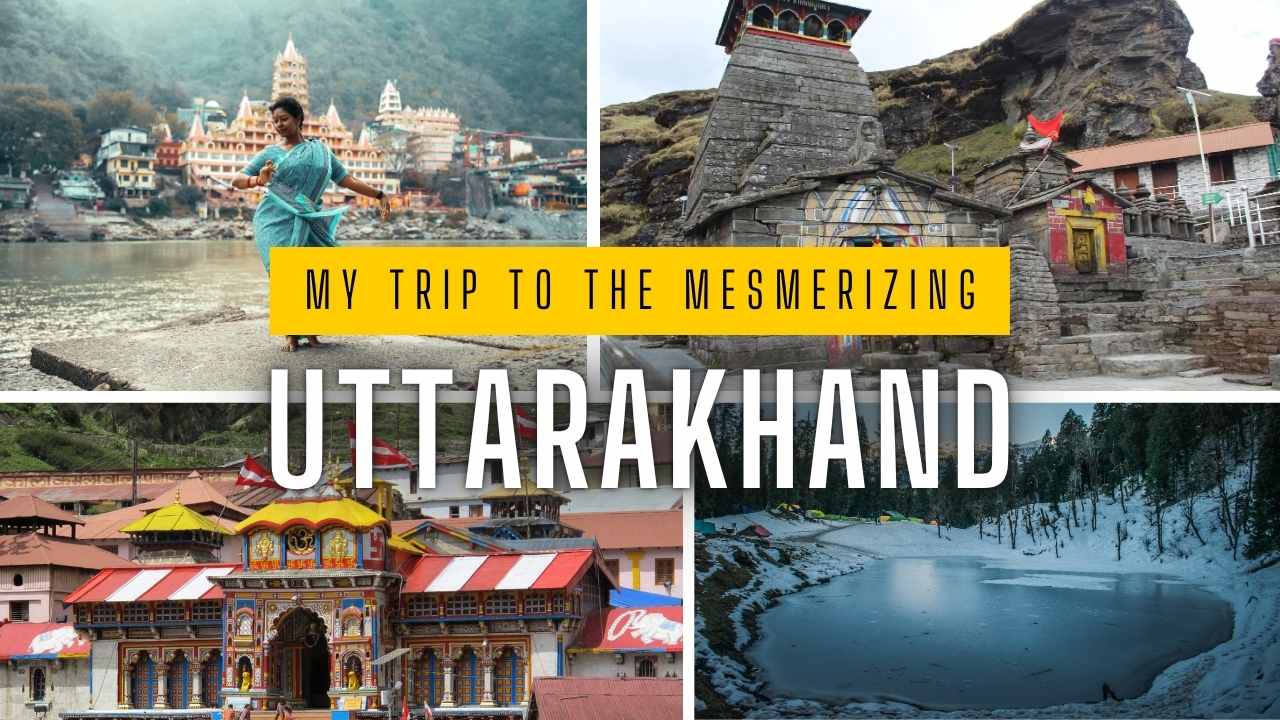
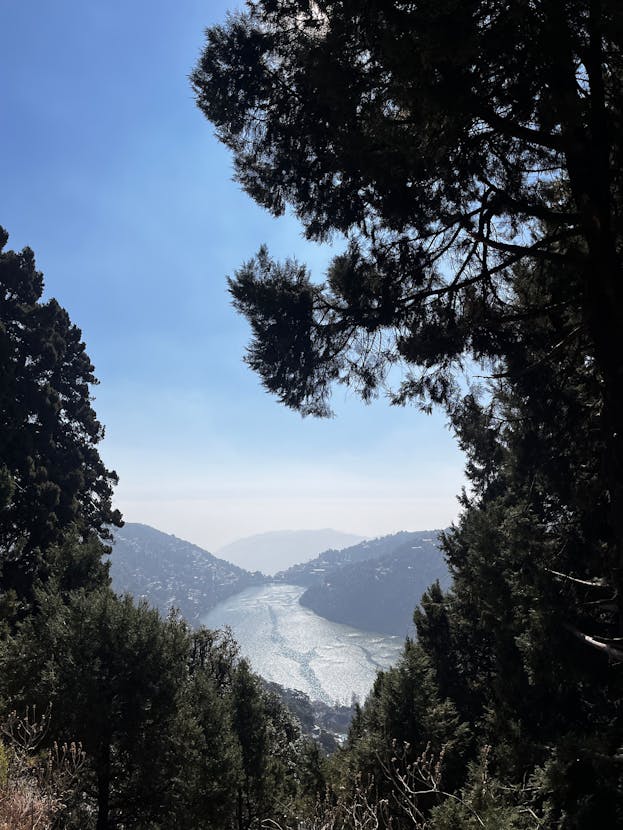
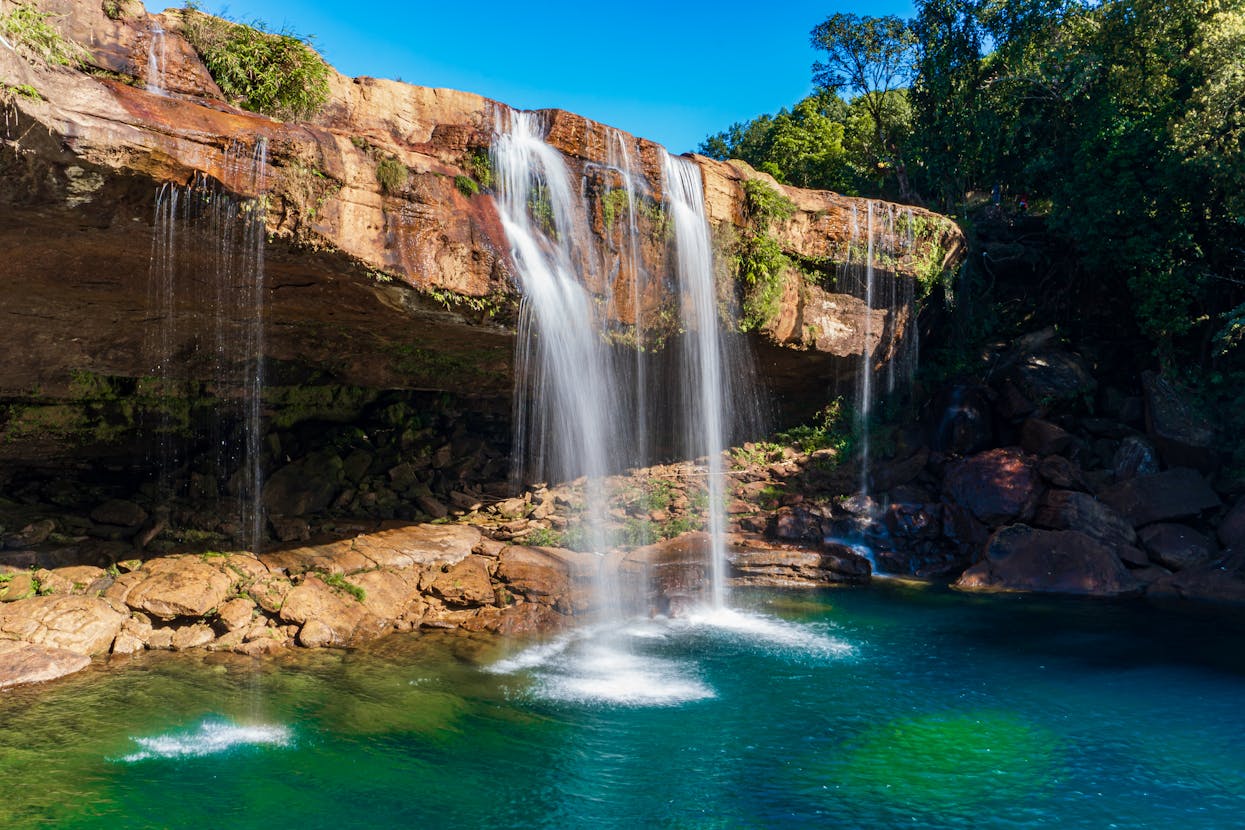
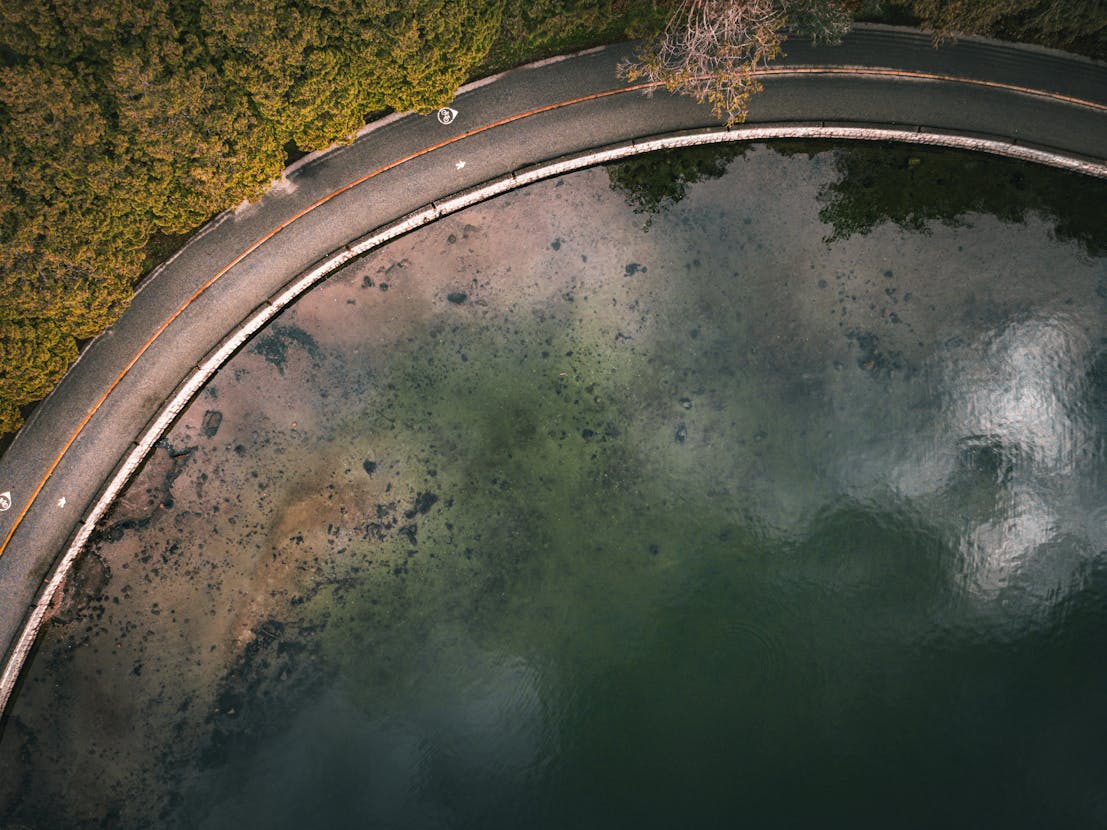
Dodital, situated at an altitude of 3,310 meters (10,859 ft) in the Uttarkashi district, is a stunning freshwater lake surrounded by dense forests of oak, deodar, and pine. The name "Dodital" is derived from "Dodi," the local name for trout, which are found in abundance in its crystal-clear waters. Legend has it that this is the birthplace of Lord Ganesha, and a small temple dedicated to him stands on the banks of the lake.
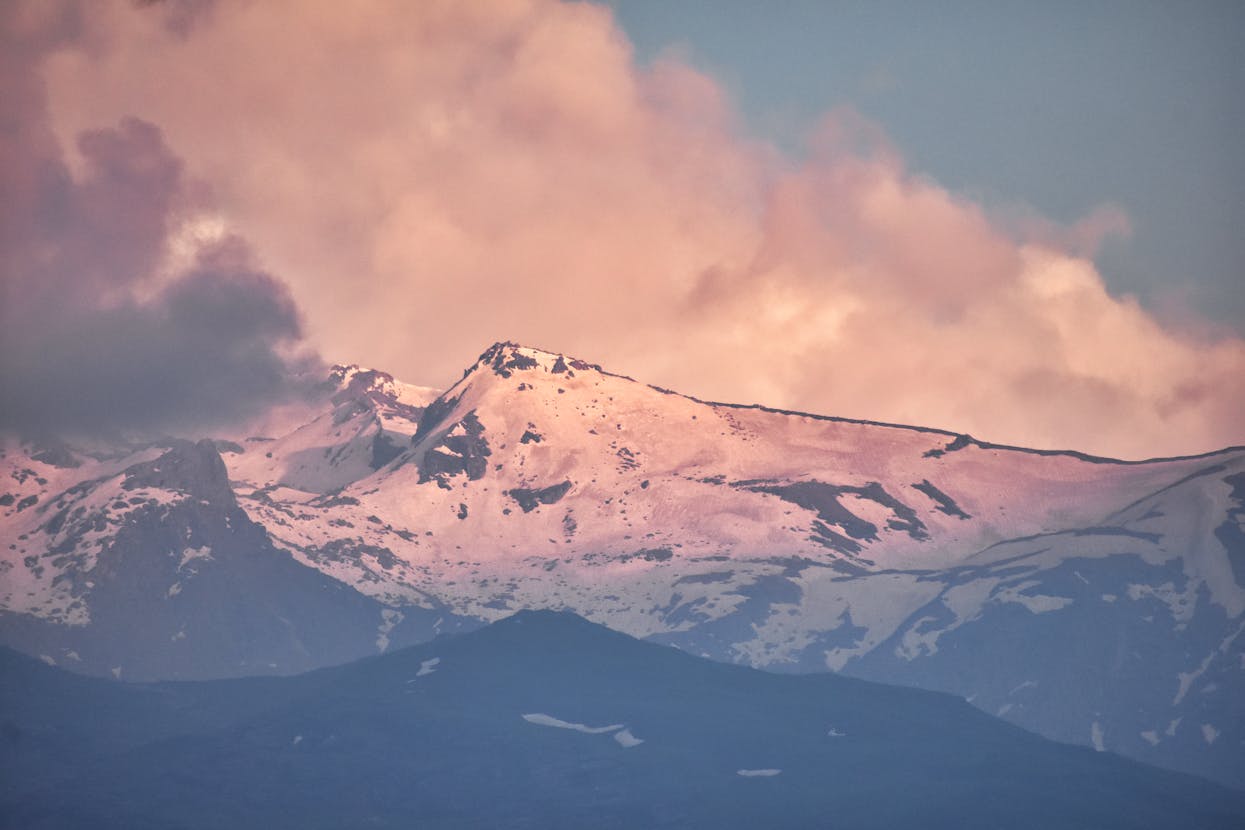
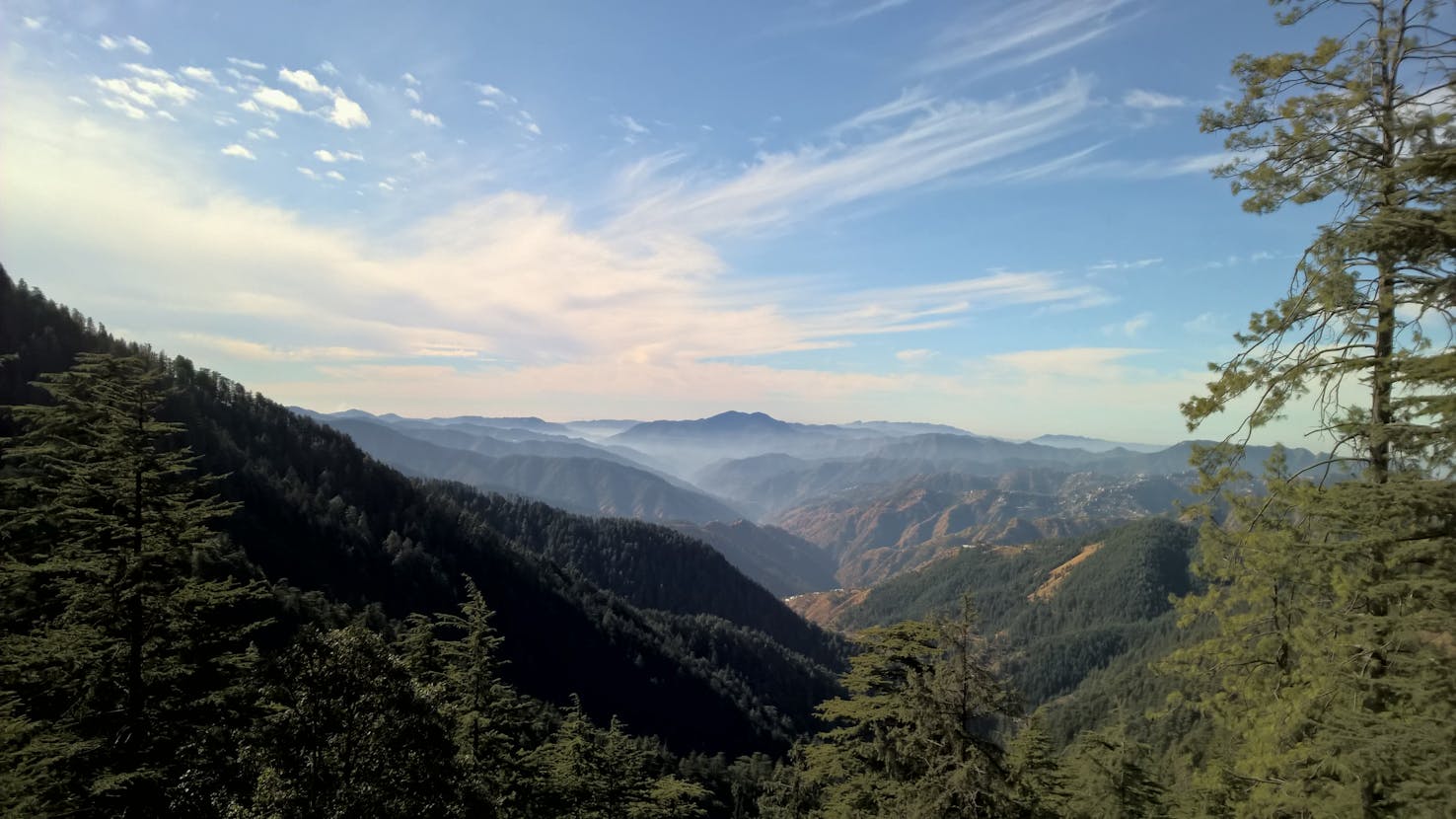
The trek to Dodital is a popular choice for both seasoned and novice trekkers. The trail is well-defined and takes you through charming villages, lush meadows, and across small streams. The serenity of the lake, coupled with the surrounding snow-capped peaks, makes it a perfect destination for those seeking peace and a deep connection with nature.
The Trek and the Legend
- Trekking Route: The trek typically starts from Sangam Chatti, a small village near Uttarkashi. From there, it's a gradual ascent to Agora, Bebra, and finally to Dodital. The journey is filled with panoramic views of the Himalayas and the melodious sounds of the Assi Ganga River.
- The Mythological Connection: The temple on the lakeside is revered by locals. It is said that Lord Ganesha was born at this very spot. During the winter, the lake freezes over, creating a magical, snow-covered landscape that is equally beautiful.
Flora, Fauna, and the Trekking Experience
The region around Dodital is a haven for biodiversity. The forests are home to a variety of birds and animals, including the Himalayan Monal pheasant, barking deer, and if you're lucky, a glimpse of a Himalayan Black Bear. The lush meadows, known as Bugyals, are a riot of colors during the spring and summer, adorned with a variety of wildflowers.
For a more adventurous journey, one can continue the trek from Dodital to Darwa Pass (4,150 m), which offers spectacular views of the Banderpoonch peak, and then descend to Hanuman Chatti, the starting point for the Yamunotri trek.
The best time to visit is from April to November. The lake can be accessed during winter, but the trekking conditions become more challenging due to heavy snowfall.