Smart Savings, Sacred Journey: Chardham Yatra Budget Planning Tips
The Chardham Yatra (चारधाम यात्रा) is a profound spiritual pilgrimage, a once-in-a-lifetime experience for many devotees. While the journey is primarily about faith and devotion, practical planning, especially managing your finances, is crucial for a stress-free and fulfilling experience. A well-thought-out Chardham Yatra budget planning tips guide ensures that your spiritual quest doesn't become a financial burden. From the moment you begin your preparations in Haridwar, every decision, from transport to food, impacts your overall "खर्च" (Kharch - expense). Let’s explore how to smartly allocate your "बजट" (Budget) for this sacred sojourn.
The Pillars of Your Chardham "बजट" (Budget)
1. Transportation Costs (Often the Largest Slice)
- Options & Impact:
- Private Taxi/Car: Offers maximum comfort and flexibility but is the most expensive. Ideal for families or those prioritizing comfort. Costs vary based on vehicle type (SUV, sedan) and duration.
- Shared Taxis/Jeeps: A balance of cost and convenience. You share the vehicle with other pilgrims, reducing individual fares. Easily found from major hubs like Haridwar or Rishikesh.
- Buses (Uttarakhand Roadways/Private): The most budget-friendly option for inter-town travel. They are slower, less comfortable, and adhere to fixed schedules, but significantly cut down costs.
- Helicopter Services: For Kedarnath and sometimes Badrinath. A premium option that drastically cuts down travel time and physical exertion. This is a significant cost, so factor it in early if you plan to use it.
- Budget Tips: Book long-distance transport (trains/flights to Uttarakhand) well in advance. Consider traveling in a group to share private vehicle costs. Avoid peak season surge pricing for all modes of transport.
2. Accommodation Costs (Your Resting Places)
- Options & Impact:
- Budget Guesthouses/Dharamshalas: The most economical choice. These offer basic amenities, often shared bathrooms, but provide essential shelter. Many pilgrim organizations run "धर्मशाला" (Dharamshalas) that are very affordable.
- Mid-Range Hotels: Offer comfortable rooms, attached clean bathrooms, and sometimes hot water (often for limited hours). A good balance between comfort and cost.
- Premium Hotels: Limited availability on the route, primarily in bigger towns like Haridwar, Rishikesh, and Joshimath. Higher prices for more amenities.
- Budget Tips: Book your stays well in advance, especially during peak seasons (May-June and Sept-Oct). Consider sharing rooms with fellow pilgrims or opting for government-run GMVN (Garhwal Mandal Vikas Nigam) guest houses, which offer standardized services at reasonable rates. Avoiding the peak season can also lead to better deals.
3. Food Expenses (Sustenance for the Soul)
- Options & Impact:
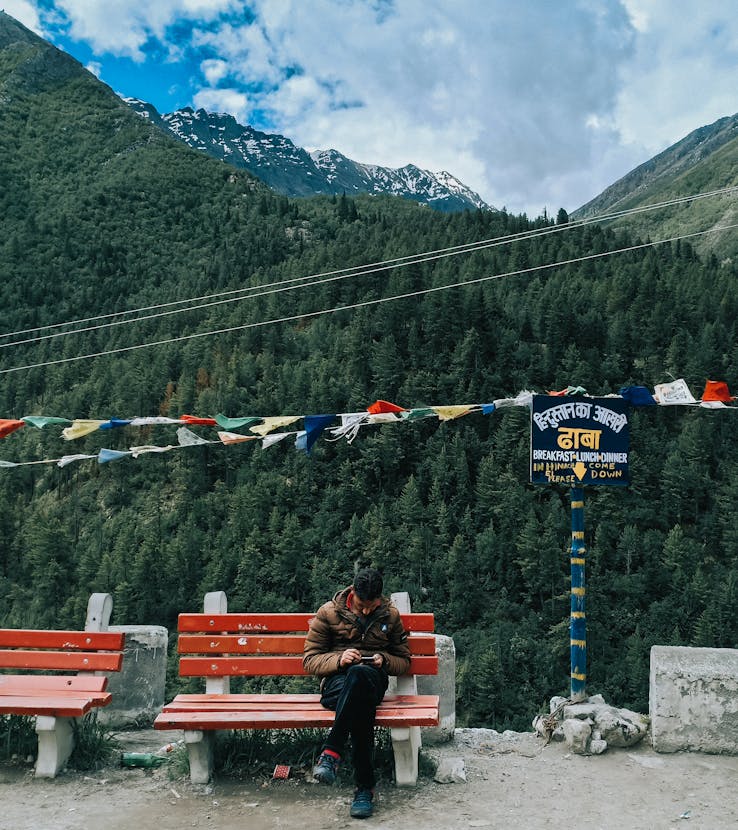
- Local Dhabas/Eateries: Offer simple, freshly prepared, vegetarian food at very economical prices. This is where locals eat and often provides a more authentic experience.
- Hotel Restaurants: Generally more expensive than dhabas, offering a wider range of dishes.
- Budget Tips: Stick to local dhabas for meals. Carry some dry snacks like energy bars, dry fruits, and biscuits from home. These are excellent for quick energy boosts, especially when you are on the move or if delays occur (e.g., due to monsoon-induced road blockages). Avoiding elaborate meals can save a lot.
4. Treks & Pony/Palanquin Services (The Uphill Battle)
- Description: This specifically applies to Kedarnath and Yamunotri, which require a trek.
- Options:
- On Foot: Free, but physically demanding.
- Pony: More common and relatively economical.
- Doli/Palanquin: Pricier but offers comfort, especially for senior citizens or those with mobility issues.
- Budget Tips: If you plan to use these services, factor in their official rates. Confirm prices beforehand to avoid overpaying. Helicopter service is a costly alternative but saves significant time and effort here.
5. Miscellaneous & Contingency (The Unexpected)
- Pooja/Darshan Offerings: Budget a small amount for offerings, "प्रसाद" (Prasad - consecrated food), or donations at temples.
- Guide Fees: If you plan to hire local guides for specific temple visits or treks.
- Medical Expenses: Include a small fund for basic first aid supplies, over-the-counter medicines, or a portable oxygen cylinder.
- Personal Shopping/Souvenirs: If you wish to buy mementos or local handicrafts.
- Contingency Fund: This is **CRUCIAL**. Allocate 15-20% of your total budget as a contingency for unforeseen expenses. This can cover unexpected delays (e.g., due to landslides common during monsoon), medical emergencies, vehicle breakdowns, or any spontaneous decisions.
Smart Budget Planning Strategies for Your Chardham Yatra
- Set a Daily Budget: Once you have a total estimate, divide it by the number of days to get a daily spending limit. This helps in real-time tracking.
- Pre-Book Everything Possible: Flights, trains, major hotel stays, and your primary mode of transport to and from Haridwar/Dehradun. This often locks in better rates.
- Travel in Groups: Even if you are not on a formal tour, traveling with 3-4 friends can drastically cut down costs for private vehicle hire and accommodation (by sharing rooms).
- Travel During Shoulder Season: Avoiding the absolute peak (May-June) can save on accommodation and transport. The shoulder seasons (early May or late September/October) offer pleasant weather and better rates. Monsoon (July-August) is off-peak and cheaper, but comes with significant risks and potential delays.
- Be Flexible with Accommodation: Don't insist on high-end hotels everywhere. Embrace simpler, cleaner accommodations.
- Pack Smartly: Carry all your essential clothing, toiletries, and medicines from home to avoid purchasing them at inflated prices en route.
- Carry Sufficient Cash: This is paramount. ATMs are rare in remote areas, and network connectivity for digital payments (UPI/cards) is often unreliable. "नकद" (Nakad - cash) is king.
- Prioritize Your Comfort vs. Cost: Decide what matters most to you. If comfort is key, be prepared to spend more. If saving money is the goal, be ready for more basic facilities.
Your Questions Answered: FAQs About Chardham Yatra Budget Planning
- Q1: What is the average cost for a Chardham Yatra?
A: The cost varies widely based on your travel style. A very basic "किफायती" (Kifayati - economical) Yatra (public transport, dorms/dharamshalas) might start from ₹15,000-₹20,000 per person for 10-12 days (excluding flights/trains to Uttarakhand). A comfortable mid-range trip (shared taxi, good guesthouses) could be ₹30,000-₹50,000. A premium, helicopter-inclusive tour can easily range from ₹70,000 to ₹1,50,000+ per person. These are rough estimates and depend heavily on individual choices. - Q2: Is it cheaper to book a group tour or travel individually for Chardham?
A: For a comfortable experience with pre-arranged logistics (mid-range hotels, private vehicle), a group tour often offers better value due to bulk discounts on hotels and transport. Individual travel can be cheaper if you are willing to use public transport, basic dharamshalas, and manage all logistics yourself, but it requires significantly more effort and time. - Q3: Are there common hidden costs I should be aware of on the Chardham route?
A: Yes, common hidden costs include: pony/palanquin/helicopter charges (often extra unless specifically stated in a premium package), personal shopping/souvenirs, guide fees, tips, medical emergencies (e.g., portable oxygen refill, doctor consultations), and sometimes even charges for hot water or phone charging in very basic accommodations. Always budget a 15-20% contingency fund for unforeseen expenses like road blockages during monsoon season or unexpected delays. - Q4: Can I rely on digital payments (UPI/cards) everywhere on the Chardham route?
A: **No, absolutely not.** While digital payments are becoming more prevalent in larger towns like Haridwar and Rishikesh, in remote areas, at higher Dhams, and with local vendors/dhabas, cash is still the primary mode of transaction. Network connectivity is often poor or non-existent, making digital payments unreliable. Always carry sufficient "नकद" (Nakad - cash). - Q5: What’s the best way to save on accommodation during the Yatra?
A: To save significantly on accommodation, consider staying in government-run GMVN (Garhwal Mandal Vikas Nigam) guest houses (basic but reliable and fixed pricing), private dharamshalas (often very economical, but amenities are basic), or sharing rooms with fellow pilgrims/friends. Booking your accommodations well in advance can also help secure better rates, and avoiding the peak seasons (May-June, festivals) will generally lead to lower prices.
A well-planned "बजट" (Budget) is a cornerstone of a peaceful and fulfilling pilgrimage. By making smart financial decisions, you can ensure that your Chardham Yatra remains a journey of devotion and joy, free from financial worries. May your path be blessed!