Embracing Every Soul: Chardham Yatra Accessibility for Disabled Pilgrims
The call of the divine knows no physical bounds. For many "दिव्यांग" (Divyang - disabled/differently-abled) pilgrims, the dream of undertaking the sacred Chardham Yatra (चारधाम यात्रा) is as strong and heartfelt as for any other devotee. While the rugged terrain and often basic infrastructure of the Himalayas present unique challenges, it is increasingly possible to embark on this profound spiritual journey with proper planning, available support services, and a realistic understanding of the ground realities. This guide aims to shed light on Chardham Yatra accessibility for disabled pilgrims, ensuring that every soul yearning for Darshan can find a path to the divine.
Understanding the Terrain: Challenges & Opportunities for Accessibility
The very nature of the Himalayan pilgrimage means inherent challenges for mobility:
- Challenges: Expect steep inclines/declines, uneven rocky paths, narrow stretches, and crowded temple areas. Infrastructure is generally basic, with limited dedicated ramps, lifts, or accessible restrooms. Unpredictable weather, especially during the monsoon season (like July now), can lead to slippery paths and logistical disruptions, posing higher risks.
- Opportunities: Despite these challenges, the increasing popularity and focus on pilgrim welfare have led to the availability of crucial services like helicopter, pony, and palanquin (doli) options. There is also a growing awareness among local service providers, and some specialized tour operators cater specifically to the needs of differently-abled travelers.
Key Accessibility Options & Support Services: Your Helping Hands
For disabled pilgrims, the key lies in leveraging specialized transportation and support:
1. Helicopter Services: The Game Changer
- Description: This is arguably the most significant aid for pilgrims with limited mobility, especially for **Kedarnath** and **Badrinath**. Helicopters drastically reduce the need for strenuous road travel and difficult treks.
- Considerations: Book well in advance. While helicopters drop you close to the Dhams, there might still be a short distance to cover from the helipad to the temple. For Kedarnath, this path can still be challenging for a wheelchair, often requiring a doli or porter service for the final stretch. Badrinath's helipad is closer to the temple, and some parts of the complex are relatively more accessible.
2. Pony & Palanquin (Doli) Services: Traditional Support
- Description: Available for the treks to **Yamunotri** and **Kedarnath**. A "पालकी" (Palaki - palanquin) is a chair carried by four porters, offering a human-powered, direct mode of transport on the trekking paths. Ponies provide an animal-assisted option.
- Considerations: While effective, they can be bumpy. Costs vary, and it's crucial to arrange these services through authorized counters or reputable tour operators to ensure fair pricing and safety.
3. Wheelchair Assistance: Limited but Useful
- Availability: Dedicated wheelchair accessibility is limited on the actual Yatra route due to the terrain. However, some larger hotels in major towns (like Haridwar, Rishikesh, Uttarkashi, Joshimath) might have wheelchairs available for guest use within their premises.
- Considerations: Pilgrims needing a wheelchair should ideally bring their own lightweight, foldable one. It will be most useful in relatively flat temple courtyards (like Badrinath) or within larger hotel complexes, but not for the arduous treks or rough roads.
4. Accessible Transport: Focus on Comfort
- Description: Standard vehicles (SUVs, tempo travellers) are used. There are typically no dedicated wheelchair-accessible vans or buses.
- Considerations: When booking a private vehicle, specifically request one with sufficient space for mobility aids and comfortable seating. Communicate your needs to the driver, who can assist with boarding and alighting.
5. Specialized Tour Operators: Tailored Journeys
- Description: A growing number of tour operators are gaining experience in organizing pilgrimages for differently-abled travelers. They can curate tailored itineraries, identify relatively accessible accommodation, and arrange dedicated support staff.
- Considerations: Thoroughly research and verify the services offered by such operators. Ask for specific details on how they cater to various mobility challenges.
Planning for a Smooth "यात्रा" (Yatra): Essential Tips
- Thorough Medical Consultation: Beyond a general medical certificate, have an in-depth discussion with your doctor about your specific condition. Get clear advice on managing your mobility, medication, and potential high-altitude challenges.
- A Companion is Crucial: Always, always travel with an able-bodied companion (or two) who can provide consistent personal assistance, lifting, pushing, and general support throughout the journey.
- Choose the Right Season: Avoid the monsoon months (July-August, like now). The increased risk of landslides, slippery paths, and general disruptions makes these months extremely challenging and potentially unsafe for disabled pilgrims. The most suitable times are May-June (early season) or September-October (post-monsoon).
- Advance Booking is Key: Secure all your bookings (helicopters, suitable accommodation, specialized transport, tour packages) well in advance. This ensures availability and allows time to communicate your specific needs.
- Communicate Your Needs: Clearly articulate your requirements to tour operators, hotels, and service providers. The more information they have, the better they can assist you.
- Pack Smart: Carry a lightweight, easily manageable backpack with only essentials. Pack any necessary mobility aids, special medical equipment, and sufficient medications.
- Be Realistic & Patient: Understand that infrastructure in remote mountain areas might not meet urban accessibility standards. Embrace the spiritual goal with patience and adaptability. Your faith and determination will carry you forward.
Specific Dham Accessibility Insights:
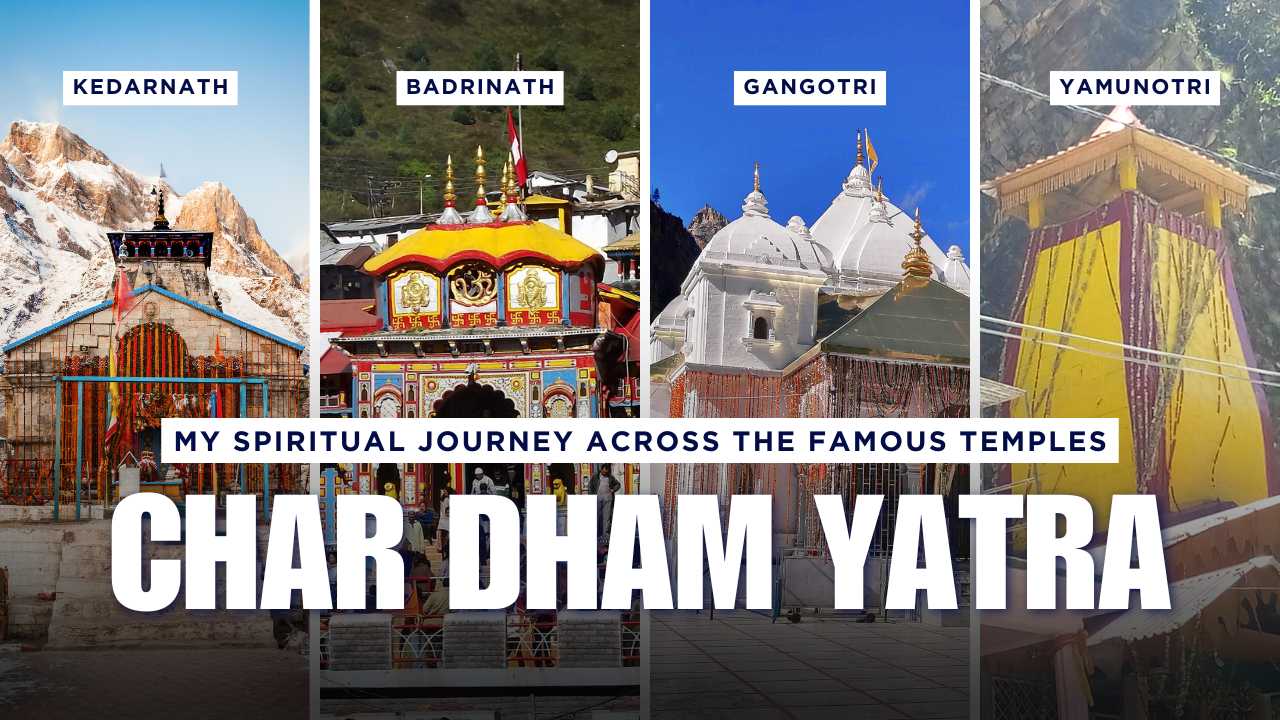
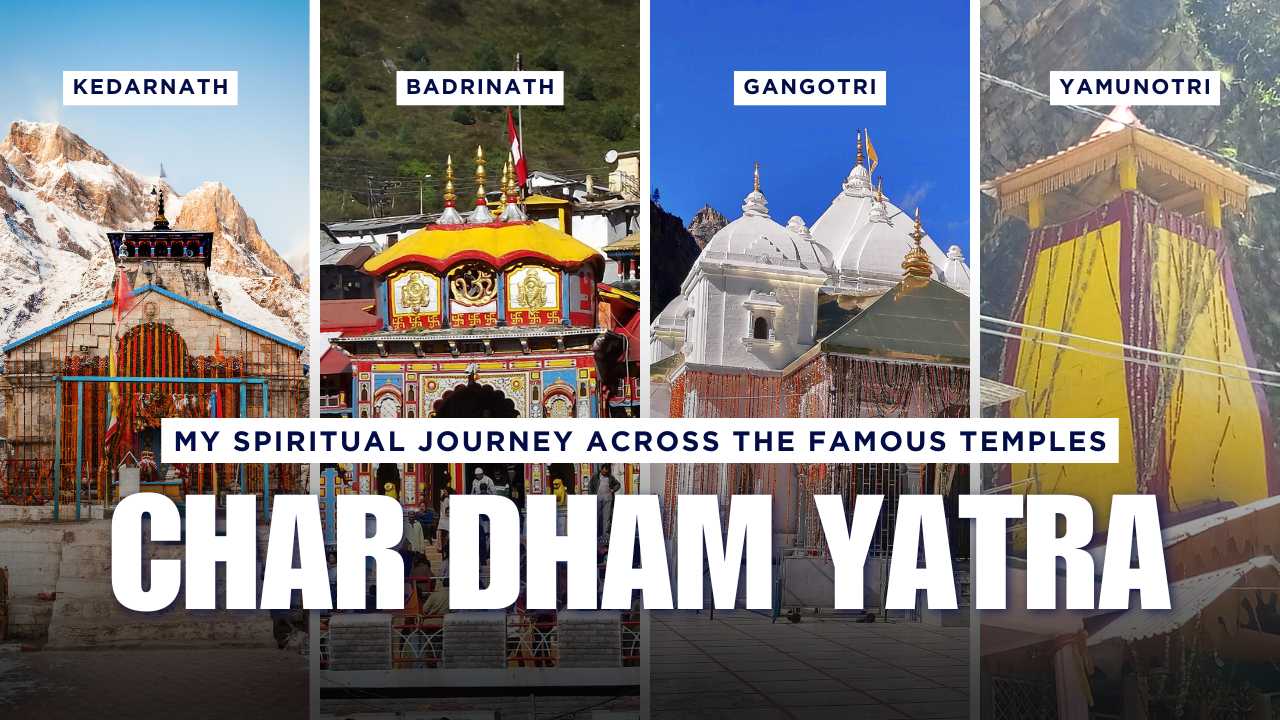
- Yamunotri: Requires a trek (pony/doli/helicopter). The temple complex itself is not fully wheelchair accessible, involving stairs.
- Gangotri: Relatively more accessible by road. The temple courtyard might have steps, but local assistance can help.
- Kedarnath: Accessible only by strenuous trek (pony/doli) or helicopter. From the helipad, it's still a walk to the temple, requiring significant support or another doli. The temple area has some challenges.
- Badrinath: Generally considered the most accessible by road. The temple courtyard has some ramps for disabled pilgrims, and sometimes a dedicated queue or assistance is provided by temple authorities (do check locally).
Your Questions Answered: FAQs About Chardham Yatra Accessibility for Disabled Pilgrims
- Q1: Can a wheelchair-bound pilgrim undertake the entire Chardham Yatra?
A: Undertaking the *entire* route solely in a wheelchair is extremely challenging due to the mountainous terrain. While sections like Badrinath temple courtyard and parts of Gangotri might offer some ramp access, the treks to Yamunotri and Kedarnath are not wheelchair-friendly. **Helicopter, pony, and palanquin (doli) services are essential for these sections.** A lightweight, foldable wheelchair can be useful for limited flat areas within major towns or temple courtyards. - Q2: Are there specific accessible hotels with full facilities on the Chardham route?
A: Dedicated, fully accessible hotels with comprehensive features like wide doorways, grab bars in bathrooms, and full ramp/lift access are **rare** in the remote mountain areas. However, in larger towns like Haridwar, Rishikesh (your current location!), Uttarkashi, and Joshimath, you might find hotels with ground-floor rooms or relatively easier access that can be suitable. Always call and confirm specific "सुविधा" (Suvidha - facilities) directly with the hotel. - Q3: What kind of support staff can I expect for a disabled pilgrim on the Yatra?
A: If you book through a specialized tour operator, they may provide dedicated support staff as part of their package. Otherwise, pilgrims relying on individual travel will need to arrange for a strong, able-bodied companion or hire local porters/helpers (e.g., for carrying/lifting, pushing a wheelchair in suitable areas) for assistance with mobility and personal care. - Q4: Is it safe for disabled pilgrims to travel during the monsoon (July-August)?
A: **No, it is generally NOT advisable** for disabled pilgrims to undertake the Yatra during the monsoon months (July-August). The increased risk of landslides, very slippery paths, heavy rains affecting visibility, and general disruptions can make navigation and access to emergency assistance significantly more difficult and hazardous for those with mobility challenges. The ideal seasons are May-June (pre-monsoon) or September-October (post-monsoon). - Q5: Are there any concessions or special permits for disabled pilgrims on the Chardham Yatra?
A: While there are no specific general concessions on registration fees or Darshan charges, some temple authorities *might* offer preferential entry or assistance for "दिव्यांग" (Divyang) pilgrims if requested. However, this is not always a guaranteed "विशेष सुविधा" (Vishesh Suvidha - special facility) everywhere. Specialized tour operators may offer packages tailored to their needs and costs.
The Chardham Yatra is a journey of the "आत्मा" (Aatma - soul), a quest for divine connection that transcends physical limitations. With careful planning, leveraging available support, and a spirit of determination, the path to the Dhams can indeed be embraced by every devotee. May your "यात्रा" (Yatra) be filled with spiritual grace and profound fulfillment!