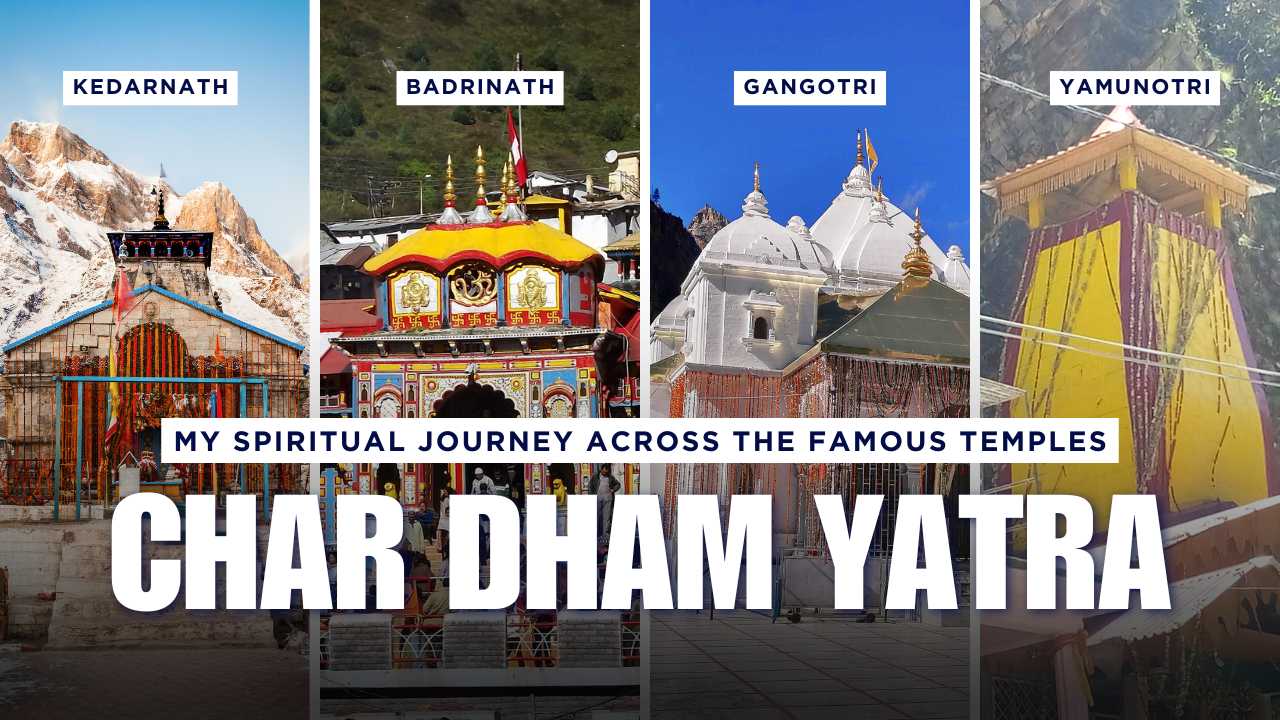
Char Dham Yatra 2026: Complete Road-Trip Itinerary from Haridwar to Badrinath & Back
Char Dham Yatra 2026 remains one of the most cherished spiritual journeys for Indian pilgrims. This guide is written for travelers who want a deeply practical, spiritually rich, and safe road-trip style Char Dham experience in 2026. It covers routes, daily plans, timings, permit tips, accommodation, packing, safety and pilgrimage etiquette.
Why choose a road-trip style Char Dham Yatra in 2026?
Choosing a road-trip approach gives you freedom: to stop at local temples, meet pilgrims, experience the Himalayan environment and control pace. The 2026 pilgrimage season brings its own considerations — road conditions, permit windows, and local festival dates — so this guide blends spiritual context with robust travel planning.
Overview: The Four Shrines
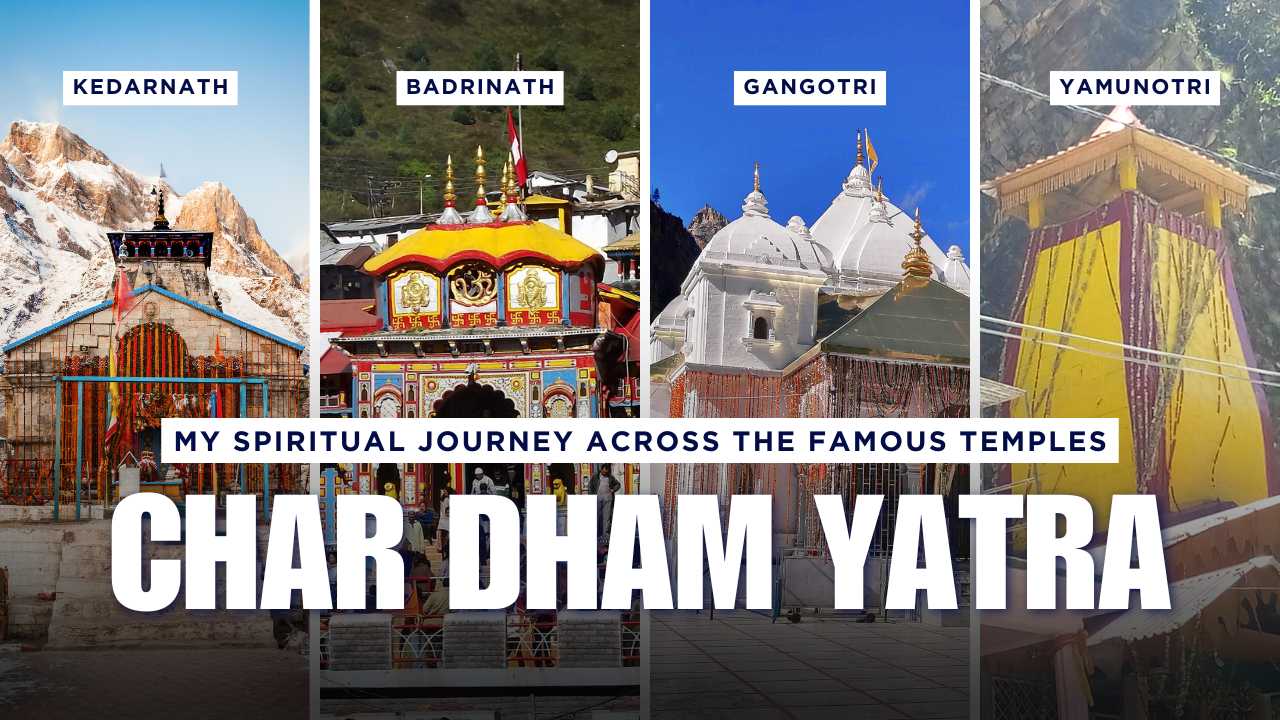
- Yamunotri — The source of the Yamuna River; warm springs and temple rituals.
- Gangotri — The origin of the Ganga; serene high-altitude shrine and glacier views.
- Kedarnath — Ancient Shiva temple set against towering peaks; often visited in the summer months.
- Badrinath — Vishnu's shrine in the Chamoli district, a spiritual culmination for many pilgrims.
Best Time to Travel in 2026
The safe window for most pilgrims is May to October 2026. Kedarnath's gates typically open around late April/May depending on the snow melt, and Badrinath is generally open until late October. Avoid the heavy monsoon peaks (mid-July) for sensitive stretches, and plan for local variations.
7-Day Road-Trip Itinerary (Balanced Pace)
-
Day 1: Haridwar — Spiritual Start
Arrive in Haridwar early morning. Spend the day visiting Har Ki Pauri, attend Ganga Aarti at sunset, and prepare permits. Stay overnight in Haridwar. Local tip: carry basic medicines and photocopies of ID for permit processing.
-
Day 2: Haridwar → Barkot → Yamunotri (via Janki Chatti trek)
Drive to Barkot (approx. 200–240 km depending on route). From Barkot take shared taxis to Janki Chatti then a pony/porter or trek to Yamunotri temple. Participate in the evening ritual if timings permit. Overnight at Barkot or Janki Chatti guest house.
-
Day 3: Barkot → Uttarkashi → Gangotri
Head to Gangotri via Uttarkashi. Visit Gangotri temple and the Bhagirathi River source area. Overnight in Gangotri or return to Uttarkashi for better accommodations.
-
Day 4: Uttarkashi → Guptkashi → Phata
Begin the long drive toward Kedarnath region. Stop at scenic points. Overnight in Guptkashi or Phata depending on time. Prepare for trek or helicopter arrangements to Kedarnath if required.
-
Day 5: Kedarnath Darshan
For pilgrims choosing the trek (Sonprayag to Gaurikund then to Kedarnath), start early. Many prefer helicopter services from Phata or Guptkashi for quicker access. After darshan, return to Guptkashi/Phata for overnight stay.
-
Day 6: Guptkashi → Joshimath → Badrinath
Drive via the newly improved NH and mountain roads to Joshimath then onward to Badrinath. Expect high-altitude driving; acclimatize and rest in Joshimath if necessary. Reach Badrinath, attend evening aarti if possible.
-
Day 7: Badrinath Darshan & Return Journey
Early morning darshan at Badrinath. Spend time at Mata Murti and Tapt Kund. Start the return journey towards Rishikesh / Haridwar or onward to your next destination.
Alternative: 10–12 Day Relaxed Itinerary
If you prefer slower pace: add buffer days for acclimatization, weather delays, local exploration (Valley of Flowers, Chopta, Joshimath), and rest days for spiritual reflection. This is highly recommended for elderly pilgrims or those traveling with children.
Transport Options & Road Conditions
Self-drive: Possible but not recommended for inexperienced mountain drivers. Narrow stretches, hairpin turns, and sudden weather changes are common.
Car with driver: Most pilgrims prefer hiring local drivers who know the mountain roads. Confirm the driver has proper permits and mountain driving experience.
Shared taxis & buses: Economical. Available between major hubs like Haridwar, Rishikesh, Barkot, Uttarkashi, Joshimath and Badrinath.
Accommodation Tips
- Book in advance for peak months (May–June, September).
- In pilgrim towns, prefer government guesthouses or well-reviewed lodges for safety and hygiene.
- Camps and dharamshalas offer budget options—carry a sleeping bag during unpredictable weather.
Permits, Medical & Safety
- Carry a government photo ID (Aadhaar/PAN/Passport) and multiple photocopies.
- Some areas may require e-permits or temporary passes during seasonal restrictions — check local police or tourism sites before travel.
- Altitude sickness: be aware of symptoms (headache, nausea). Acclimatize, hydrate, avoid alcohol, and consult local health posts immediately if severe symptoms arise.
Packing Checklist
- Warm layers, thermal wear, waterproof jacket
- Comfortable trekking shoes and extra socks
- First-aid kit, prescription medicines, ORS
- Portable charger, power bank, flashlight
- Photocopies of ID and emergency contacts
- Light offerings (flowers, incense), if you plan to participate in local rituals
Spiritual Preparation & Etiquette
The Char Dham pilgrimage is as much internal as external. Respect temple norms: dress modestly, remove footwear where required, follow priest instructions, and maintain silence in sanctum areas. Offerings should be simple and culturally appropriate.
Budget Considerations (Approximate)
Costs vary by mode of travel and preferences:
- Transport (shared taxis/buses): economical; private car with driver: higher but convenient.
- Accommodation: gov guesthouse/dharamshala & guest house — budget; hotels & resorts — higher.
- Food: simple local meals are inexpensive; plan for extra costs during festivals.
Local Food & Hygiene
Try local Kumaoni & Garhwali dishes like Kafuli and Phaanu, but take hygiene precautions: prefer cooked hot meals and bottled or boiled water.
Top Safety Tips
- Keep emergency contacts and local police numbers.
- Always inform your base (family/friends) of itinerary changes.
- Avoid night driving in high Himalaya; roadlights and visibility are limited.
- Check weather updates and be flexible.
FAQs — Char Dham Yatra 2026
Q: Is Char Dham Yatra 2026 open for all pilgrims?
A: Most shrines are open in the season (May–October), but always confirm specific opening dates for Kedarnath and local travel advisories for 2026.
Q: Can elderly people undertake a road-trip style Char Dham?
A: Yes, with careful planning, extra rest days, and preferring vehicle-based transfers or helicopter options for Kedarnath if needed.
Q: Are helicopters safe and recommended?
A: Helicopter services are safe when operated by authorized providers. They are recommended for those with limited time, mobility issues, or during weather windows when road travel is slow.
Q: How many days should I ideally spend?
A: Minimum 7–8 days for a compressed road-trip but 10–12 days is recommended for a relaxed, safer, and spiritually nourishing experience.
Conclusion
Char Dham Yatra 2026 is a transformative journey. A road-trip style pilgrimage offers freedom and deep connection with the Himalayan landscape and spiritual rhythm of the region. Plan with patience, respect local customs, prepare for mountain conditions, and keep safety a priority. May your 2026 dharma yatra be safe, fulfilling, and spiritually uplifting.