Best Time to Visit Chardham Temples for Pleasant Weather
The sacred Chardham Yatra, a pilgrimage to the revered shrines of Yamunotri, Gangotri, Kedarnath, and Badrinath, is an experience of a lifetime. Nestled high in the Garhwal Himalayas of Uttarakhand, these holy sites are open for a limited period each year, typically from late April/early May to late October/early November. While the spiritual yearning can be year-round, choosing the best time to visit Chardham temples for pleasant weather is crucial for a comfortable, safe, and truly enjoyable pilgrimage. Understanding the seasonal variations in this high-altitude region will significantly enhance your travel planning.
Chardham Yatra Season Overview:
The Chardham Yatra season can be broadly divided into three main periods:
- Summer (Late April/Early May to June End): Peak Season
- Monsoon (July to August/Early September): Challenging Season
- Autumn (Mid-September to Late October/Early November): Another Ideal Season
The temples remain closed for approximately six months during winter due to heavy snowfall, making them inaccessible.
1. Summer Season: Late April/Early May to June End (Most Popular)
This period is widely considered the best time for Chardham Yatra due to favorable weather conditions and the clear opening of all routes. The temples typically open around Akshaya Tritiya (late April/early May).
- Weather Conditions: Days are generally mild and sunny, ranging from 15°C to 30°C in lower altitudes and 5°C to 20°C at higher Dhams like Kedarnath and Badrinath. Nights can still be cool, especially at higher elevations, dropping to 5-10°C or even lower.
- Advantages:
- Pleasant Temperatures: Ideal for long drives, treks, and darshan without extreme cold or heat.
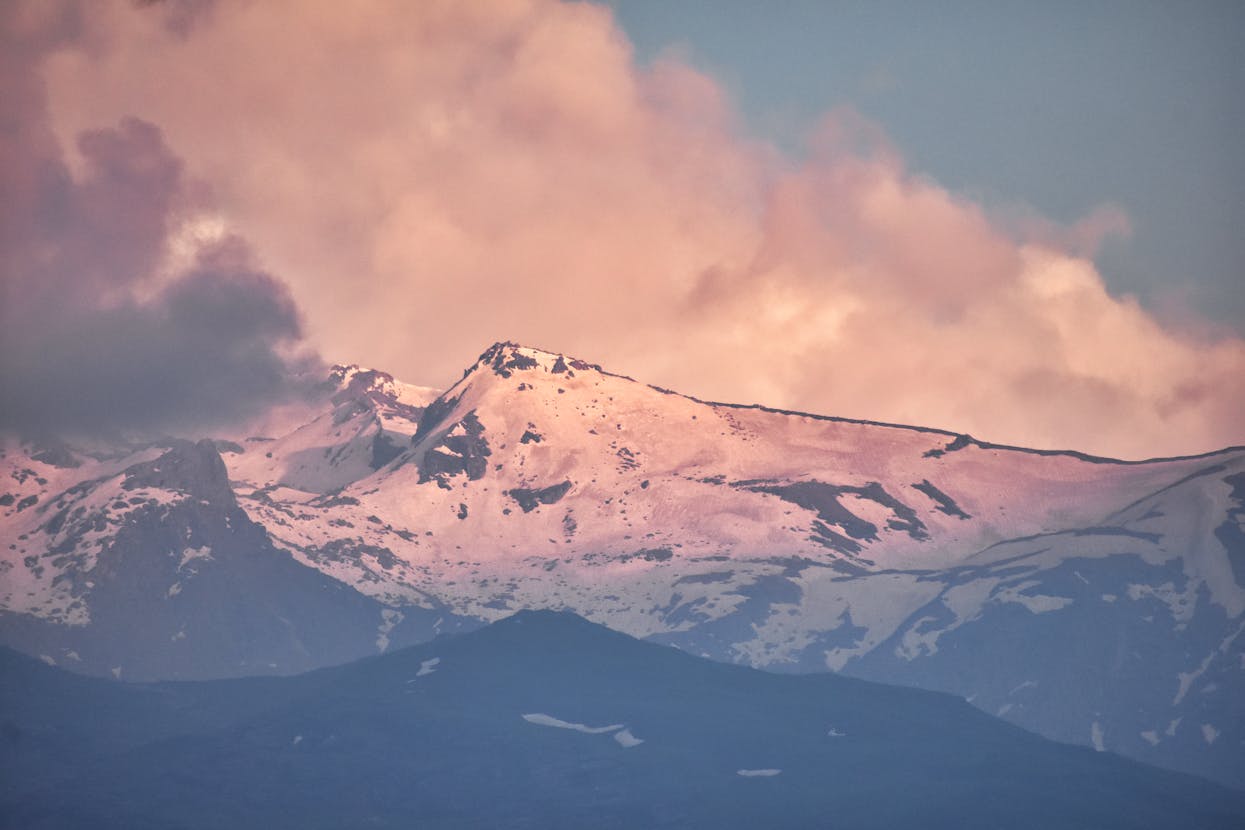
- Clear Skies: Offers breathtaking panoramic views of the Himalayan peaks and lush valleys.
- Accessibility: Roads are generally clear of snow (though early May might see residual snow patches in very high areas), and all services are fully operational.
- Blooming Flora: The valleys come alive with vibrant colors as various flowers bloom after the winter.
- Disadvantages:
- High Crowds: This is the peak season, meaning temples, accommodations, and transport services can be crowded.
- Higher Costs: Due to high demand, prices for hotels, vehicles, and other services tend to be at their peak.
- Occasional Afternoon Showers: Light, sporadic rain showers are possible, especially towards late June, but they usually don't severely disrupt travel.
- Recommendation: Book all arrangements (registration, accommodation, transport) well in advance. Carry light to medium woolens for evenings and early mornings.
2. Monsoon Season: July to August / Early September (Risky, Generally Avoided)
The monsoon season brings heavy rainfall to Uttarakhand, making it the most challenging and least recommended time for the Chardham Yatra.
- Weather Conditions: Continuous and heavy rainfall across the region. Temperatures hover between 10°C and 25°C, with higher humidity.
- Disadvantages:
- Landslides and Roadblocks: The biggest risk, frequently causing road closures, delays, and potentially dangerous situations. Roads become slippery and treacherous.
- Increased Risk: Swollen rivers, flash floods, and cloudbursts are common occurrences.
- Limited Visibility: Clouds and fog often obscure the stunning mountain views.
- Reduced Services: Some helicopter services may be suspended, and local services might be limited due to weather.
- Slippery Trails: Trekking paths, especially to Kedarnath, become muddy and highly slippery.
- Advantages (Limited):
- Lush Greenery: The landscapes appear incredibly vibrant and fresh after the rains.
- Fewer Crowds: Significantly fewer pilgrims, offering a more serene darshan for those willing to brave the risks.
- Lower Costs: Prices for services may be comparatively lower.
- Recommendation: It is strongly advised to avoid traveling during the peak monsoon months (July and August) unless absolutely necessary and with extreme caution. If you must travel, keep several buffer days in your itinerary and regularly check weather forecasts and road conditions.
3. Autumn Season: Mid-September to Late October / Early November (Second Best Time)
Often considered the second-best, and for some, even the ideal time, for the Chardham Yatra. The monsoon recedes, leaving behind a refreshed landscape and clear skies.
- Weather Conditions: The weather is predominantly cool and crisp, ranging from 5°C to 18°C. Nights become significantly colder, dropping to near freezing or below at higher altitudes.
- Advantages:
- Post-Monsoon Beauty: The entire region is verdant and vibrant, with waterfalls and streams in full flow.
- Clear Views: Skies are generally clear, offering spectacular, unobstructed views of the snow-capped Himalayan peaks.
- Fewer Crowds (than May-June): While popular, the crowd density is usually less intense than the early summer months.
- Comfortable for Trekking: Trails are less muddy than monsoon and offer comfortable conditions for walks.
- Festive Atmosphere: The closing dates of the temples often coincide with auspicious festivals like Dussehra and Diwali, adding a spiritual fervor.
- Disadvantages:
- Cold Nights: Especially in October/November, temperatures can drop significantly, requiring heavy woolens.
- Early Snowfall Risk: Towards late October/early November, higher reaches might experience early snowfall, potentially affecting routes to Kedarnath and Yamunotri before the official closing dates.
- Temple Closures: The temples begin to close their portals by late October/early November, so timing is critical.
- Recommendation: This is an excellent time for those who prefer cooler weather and fewer crowds. Pack warm layers, including heavy woolens for evenings and nights.
Winter Season: Mid-November to April (Temples Closed)
During these months, the Chardham temples are closed due to extreme cold and heavy snowfall, making the routes inaccessible. The deities are shifted to their winter abodes (Ukhimath for Kedarnath, Joshimath for Badrinath, Mukhba for Gangotri, and Kharsali for Yamunotri) where pilgrims can pay homage.
Conclusion: Planning for Your Ideal Chardham Experience
For the most pleasant weather conditions, the periods of May to June and Mid-September to Late October are unequivocally the best choices for your Chardham Yatra. While the early summer sees more crowds, it promises stable weather and full accessibility. The autumn months offer crisp air, clear views, and slightly fewer pilgrims. Regardless of your chosen time, always monitor local weather forecasts and official advisories from the Uttarakhand government, as Himalayan weather can be unpredictable. With careful planning, your pilgrimage to the Chardham will be a divine and memorable journey.