Badrinath: Chamoli's Divine Char Dham & Lord Vishnu's Sacred Abode!
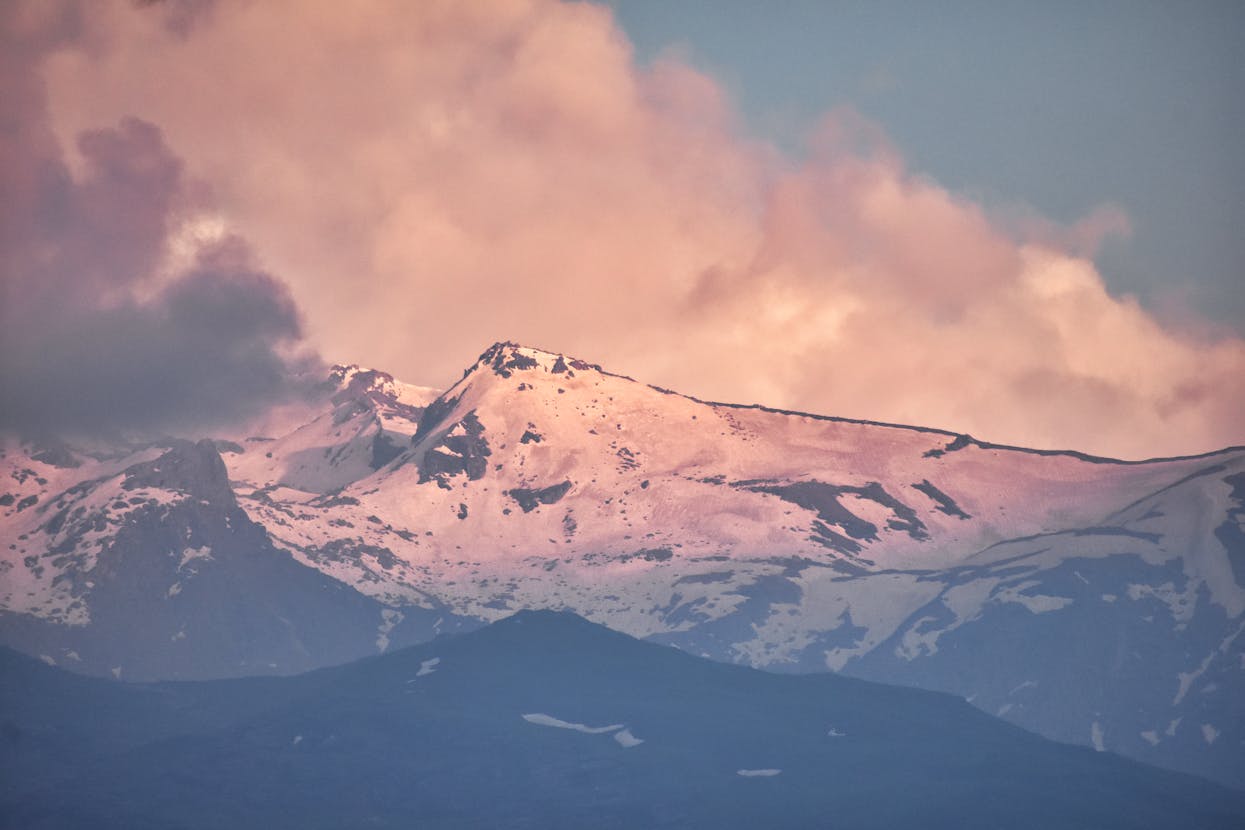
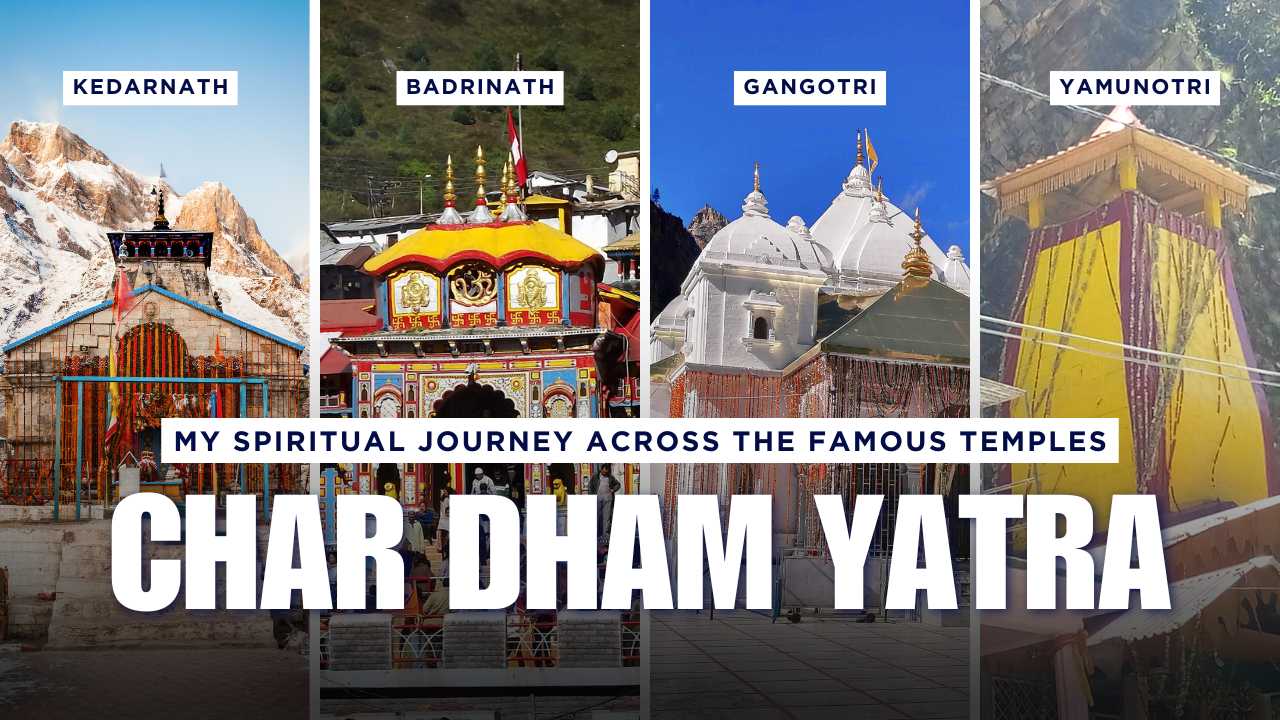
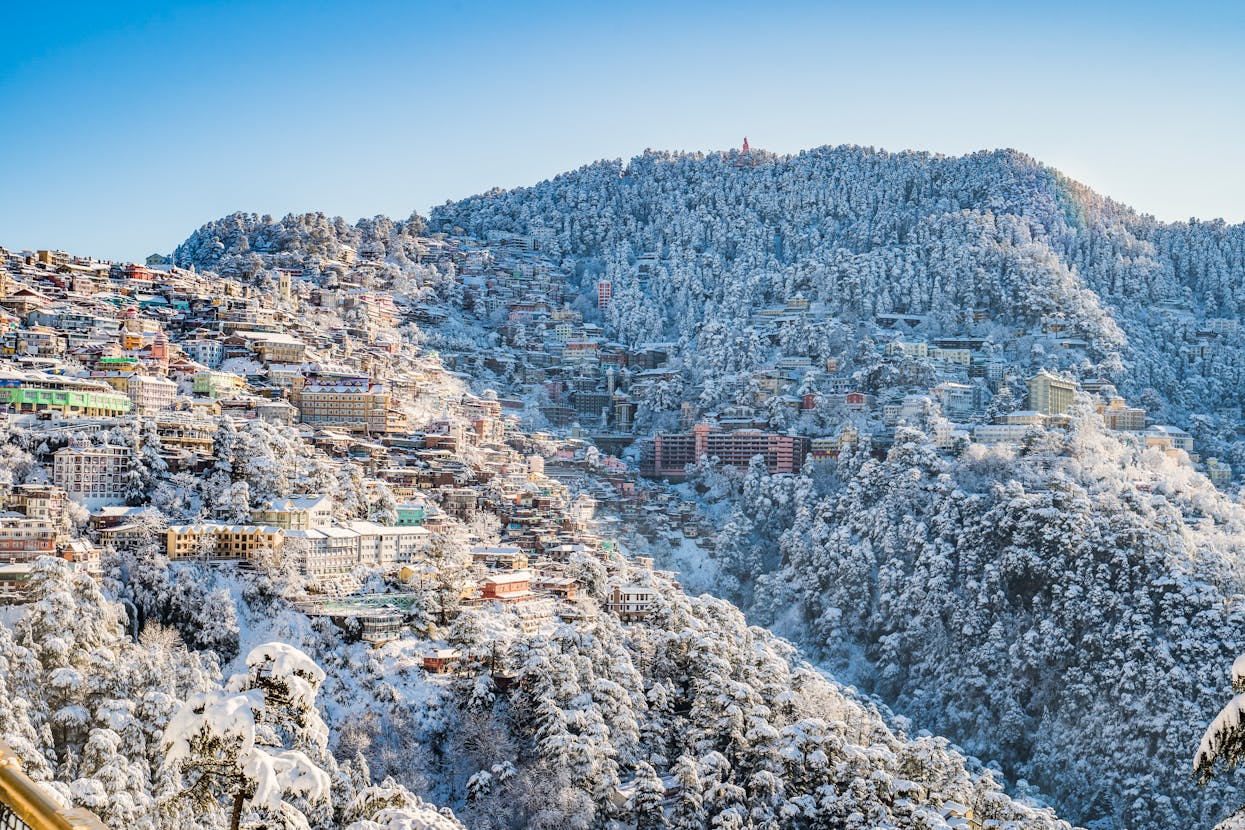
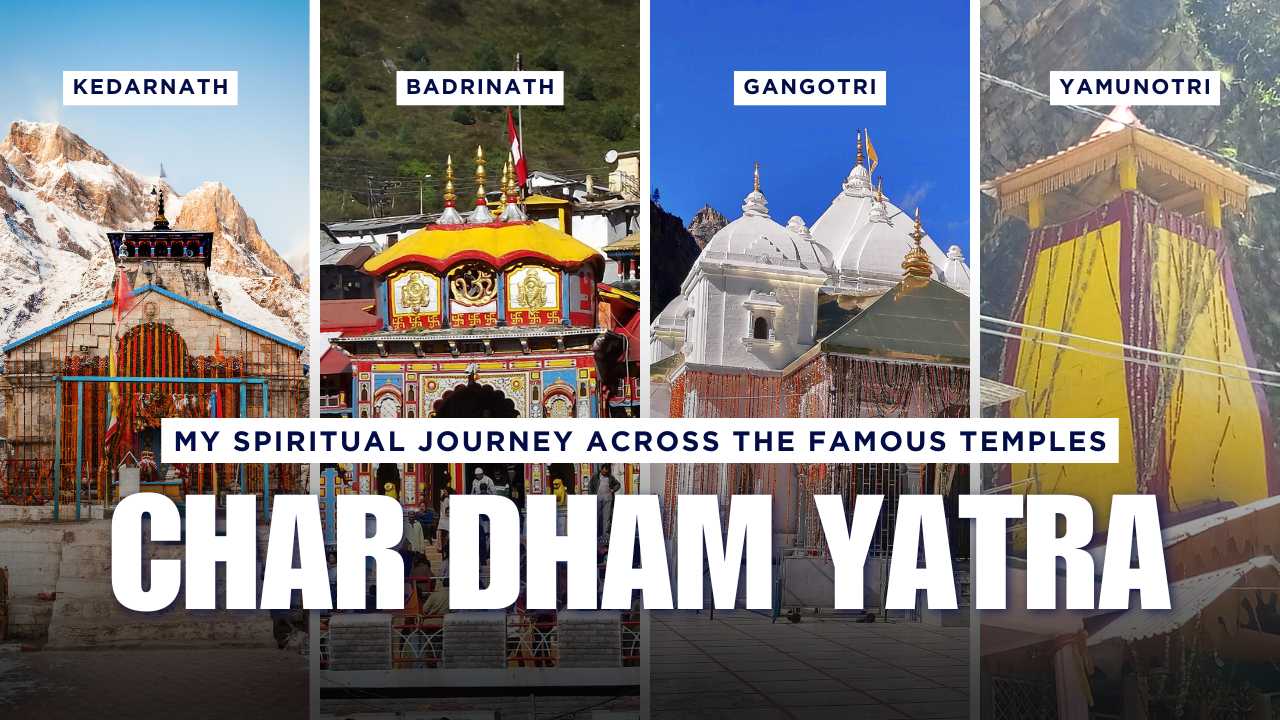
Namaste, devout pilgrims and spiritual seekers! Perched majestically between the Nara and Narayan mountain peaks in the Chamoli district, Badrinath Temple is not just a temple; it's one of the four most sacred `Char Dham` pilgrimage sites in India and the very heart of Uttarakhand's `Devbhumi`. Dedicated to Lord Vishnu (in his Badrinarayan form), this ancient shrine radiates an unparalleled aura of peace and devotion. The surrounding landscape, with the roaring Alaknanda River, the sacred Tapt Kund hot springs, and the towering Himalayas, creates a truly divine setting that captivates every visitor.
In 2025, undertake the revered Badrinath Yatra. It's a journey that cleanses the soul, strengthens faith, and offers a profound connection with the spiritual essence of the Himalayas. Are you ready to seek Lord Vishnu's blessings?
Badrinath: A Sanctuary of Devotion and Natural Grandeur
- One of the Char Dhams: Badrinath is one of the four major pilgrimage sites in India (along with Dwarka, Puri, and Rameswaram), making it incredibly significant for Hindu devotees.
- Lord Vishnu's Abode: The main deity is Lord Badrinarayan, a form of Lord Vishnu, worshipped in a black stone idol within the temple.
- Tapt Kund: A natural hot spring (believed to have medicinal properties) where pilgrims take a holy dip before entering the temple.
- Alaknanda River: The mighty Alaknanda River flows past the temple, adding to the sacred ambiance.
- Nara and Narayan Peaks: The temple is nestled between these two mythological peaks, further enhancing its divine setting.
- Mana Village Gateway: Just 3 km away is Mana Village, the "last Indian village," rich in Mahabharata legends and Bhotia culture.
- Architectural Beauty: The temple itself showcases vibrant and traditional Himalayan architecture, rebuilt several times over centuries.
Important Tips for Badrinath Yatra (2025)
- Opening/Closing Dates: Badrinath Temple is accessible only for about six months a year. It usually opens in **late April/early May** and closes in **early November** due to heavy snowfall. Always check official dates.
- Registration is Mandatory: Online or offline registration is compulsory for the Char Dham Yatra. Complete this well in advance.
- Acclimatization: Badrinath is at a high altitude (3,133 meters/10,279 ft). Spend a day or two in Joshimath (or Govindghat) to acclimatize to prevent Acute Mountain Sickness (AMS).
- Health Check-up: Consult your doctor before embarking on the Yatra, especially if you have pre-existing health conditions. Carry all necessary medications.
- Pack Warm & Layers: Even in summer, evenings and mornings can be very cold. Pack thermal wear, woolens, a waterproof jacket, and comfortable, sturdy shoes.
- Book Accommodation: During peak Yatra season, accommodation gets fully booked. Reserve your stays in Joshimath, Badrinath, or Govindghat well in advance.
- Respect Temple Customs: Dress modestly, adhere to temple timings, and follow instructions from temple authorities. Photography might be restricted inside the main temple.
- Environmental Responsibility: Dispose of waste responsibly. Avoid plastic and help keep the sacred area clean.
Badrinath is more than a destination; it's a transformative journey into the heart of faith and the lap of divine nature. May your pilgrimage be filled with peace and blessings!
FAQs about Badrinath
Q1: What is Badrinath Temple's main significance?
A1: Badrinath is one of the four most sacred Char Dham pilgrimage sites in India, dedicated to Lord Vishnu (Badrinarayan).
Q2: When is Badrinath Temple open for pilgrims?
A2: The temple typically opens in late April/early May and closes in early November, due to heavy snowfall in winter.
Q3: Is Tapt Kund a natural hot spring?
A3: Yes, Tapt Kund is a natural thermal spring where pilgrims take a holy dip before entering the Badrinath Temple.
Q4: Do I need to register for the Badrinath Yatra?
A4: Yes, registration is mandatory for the Char Dham Yatra, including Badrinath. This can be done online or at various counters.
Q5: What are the best views around Badrinath?
A5: The views of the Nara and Narayan peaks, the Alaknanda River, and the surrounding snow-capped Himalayas are stunning. Mana Village nearby also offers great views.
Q6: Can I find accommodation and food in Badrinath?
A6: Yes, Badrinath town has numerous hotels, dharamshalas, guesthouses, and restaurants catering to pilgrims during the opening season.